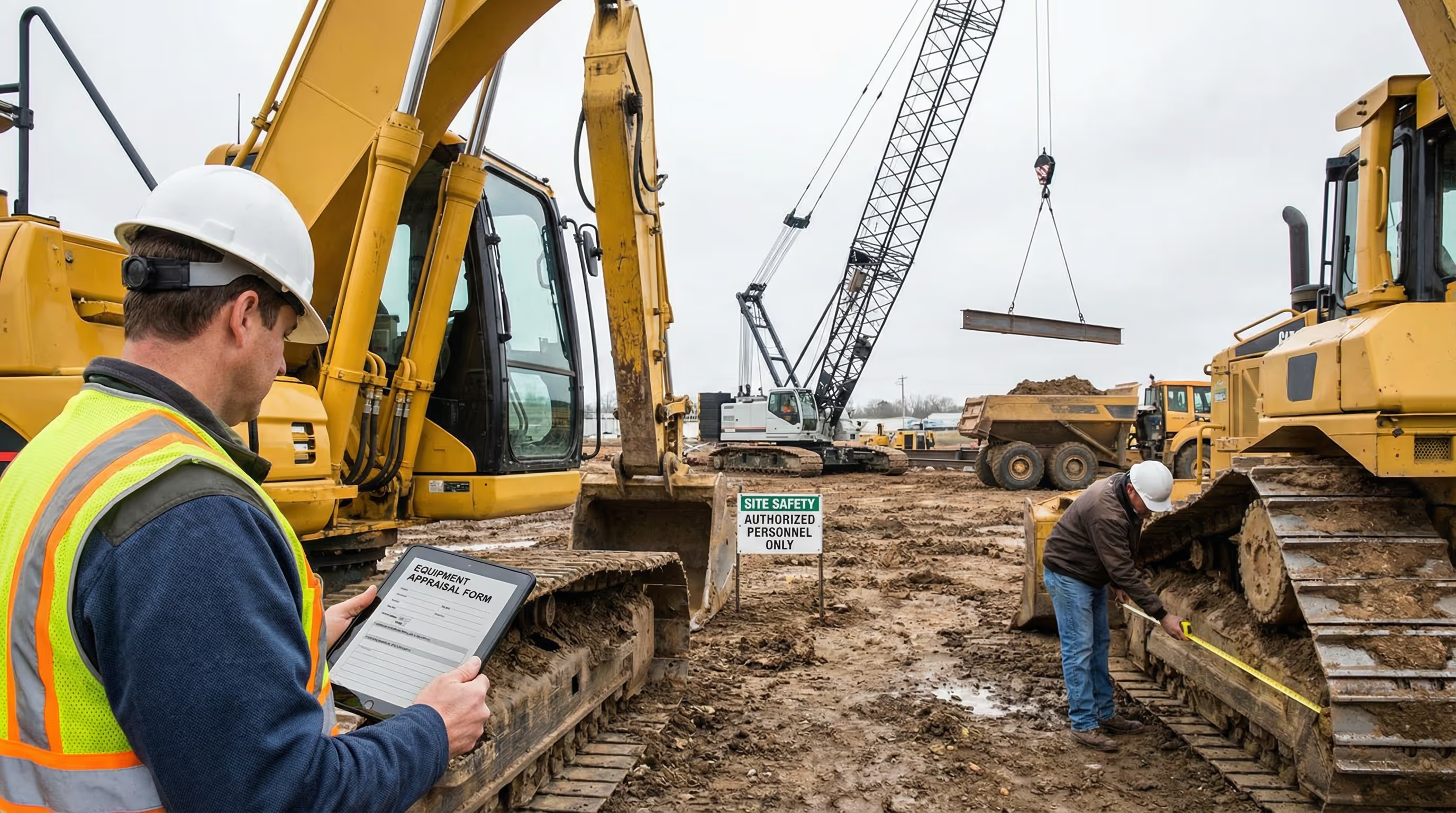
Whether you're securing financing for a new excavator, settling an insurance claim, or preparing for a business sale, getting an accurate construction equipment appraisal can feel overwhelming. You need reliable values, but the process seems complex and time-consuming.
A construction equipment appraisal determines the fair market value of your heavy machinery through professional inspection, market research, and standardized valuation methods. Most single-unit appraisals take 3-5 business days and cost between $500-$2,000, while fleet appraisals can take 1-2 weeks depending on scope and complexity.
This guide walks you through exactly what happens during the appraisal process, typical timelines and costs, key factors that affect your equipment's value, and how to choose a qualified appraiser who meets industry standards.
Quick Answer: Construction equipment appraisals typically cost $500-$2,000 per unit and take 3-5 business days for single machines, with certified appraisers following USPAP standards to determine fair market value through inspection and market analysis.
A construction equipment appraisal is a professional assessment that determines the current market value of your heavy machinery. Unlike a simple online estimate, a certified appraiser physically inspects your equipment, researches comparable sales, and provides a detailed report that meets legal and financial standards.
You'll need an appraisal when securing equipment financing, as lenders require independent valuations for collateral. Insurance companies also request appraisals to set coverage limits and process claims after damage or theft. If you're buying or selling equipment, an appraisal ensures fair pricing and protects both parties.
Other common scenarios include divorce settlements, estate planning, tax reporting, and business valuations. Courts and the IRS specifically require USPAP-compliant appraisals for legal proceedings and tax deductions. Understanding when you need a professional appraisal can help you avoid costly mistakes and ensure compliance with legal requirements.

The appraisal process follows a structured approach that ensures accuracy and defensibility. Here's what happens from start to finish.
Initial consultation and scope definition begins with discussing your specific needs, timeline, and intended use of the appraisal. The appraiser will ask about equipment types, locations, and any special circumstances that might affect the valuation approach.
Data collection and asset documentation involves creating a comprehensive list of all equipment to be appraised. You'll provide serial numbers, model information, purchase dates, and maintenance records. This preparation phase significantly impacts the final report quality.
Physical inspection and condition assessment is where the appraiser examines each piece of equipment. They document mechanical condition, operating hours, maintenance history, and any modifications or attachments. Photos are taken to support the final report. Learning how to prepare for a construction equipment appraisal can streamline this process considerably.
Market research and valuation analysis combines the physical inspection data with current market conditions. The appraiser researches recent sales of comparable equipment, considers economic factors, and applies appropriate valuation methods to determine fair market value.
Professional Tip: Having organized maintenance records and serial numbers ready before the appraiser arrives can reduce costs and improve report accuracy by streamlining the inspection process.
Several critical factors influence how much your construction equipment is worth in today's market.
Age and operating hours are primary value drivers, but they're not the whole story. A well-maintained 5-year-old excavator with 3,000 hours might be worth more than a neglected 3-year-old machine with 6,000 hours. Appraisers look at the relationship between age, usage, and condition.
Mechanical condition and maintenance history significantly impact value. Regular service records, recent major repairs, and overall mechanical soundness all factor into the final valuation. Equipment with documented maintenance typically appraises higher than machines with unknown service history.
Make, model, and market demand affect values differently across equipment types. Popular brands like Caterpillar or John Deere often hold value better than lesser-known manufacturers. Current market demand for specific equipment types also influences pricing. For a deeper understanding of heavy machinery appraisals and valuation factors, consider reviewing industry-specific guidelines.
Attachments and modifications can add or subtract value depending on their condition and market appeal. Specialized attachments might increase value for the right buyer but could limit marketability in general auctions.
Understanding typical timelines and costs helps you plan and budget for your appraisal needs.
Single equipment appraisals usually take 3-5 business days from initial contact to final report delivery. Simple desktop appraisals might be completed faster, while complex machinery requiring extensive research could take longer.
Fleet or multi-location appraisals typically require 1-2 weeks, depending on the number of units, geographic spread, and coordination requirements. Large fleets with hundreds of pieces might take several weeks to complete properly.
Cost factors include the number of assets, complexity of equipment, travel requirements, and report detail level. Single-unit appraisals typically range from $500-$2,000, while fleet appraisals are often priced per unit with volume discounts.
The cheapest option isn't always the best value. A low-cost appraisal that gets rejected by your lender or insurer will cost more in delays and re-work than hiring a qualified appraiser initially. To maximize your investment, review tips for getting the most accurate construction equipment appraisal.

Appraisal TypeTypical TimelineCost RangeBest ForSingle Unit3-5 days$500-$2,000Individual sales, insuranceSmall Fleet (2-10)1 week$400-$1,500/unitBusiness financingLarge Fleet (10+)2-3 weeks$300-$1,200/unitCorporate valuations
Not all appraisers are qualified to handle construction equipment valuations. Here's what to look for when selecting a professional.
Certification and credentials matter significantly for report acceptance. Look for appraisers certified by recognized organizations like the American Society of Appraisers (ASA) or the American Machinery and Equipment Appraisers (AMEA). These certifications require extensive training and ongoing education.
USPAP compliance is essential if your appraisal will be used for legal, tax, or financial purposes. The Uniform Standards of Professional Appraisal Practice ensure your report meets federal requirements and will be accepted by courts, the IRS, and financial institutions.
Industry experience with construction equipment specifically is crucial. An appraiser who specializes in real estate or personal property might not understand the nuances of heavy machinery markets, depreciation patterns, or technical specifications. When evaluating options, consider how to choose the right appraiser for construction equipment to ensure you're working with a qualified professional.
Questions to ask potential appraisers include their certification status, experience with your equipment type, typical turnaround times, and whether they carry professional liability insurance. A qualified appraiser will gladly discuss their credentials and process.
Important Note: AppraiseItNow provides USPAP-compliant construction equipment appraisals through certified professionals accepted by over 10,000 organizations including the IRS, federal courts, and major insurance companies nationwide.
Getting a construction equipment appraisal doesn't have to be complicated when you understand the process and work with qualified professionals. The key is choosing an appraiser who combines proper certification, industry experience, and a track record of producing defensible reports that meet your specific needs. Understanding the benefits of appraising construction equipment before selling can help you make confident business decisions. With the right preparation and realistic expectations about timelines and costs, you'll have the accurate valuation you need to move forward with your financing, insurance, or business transaction.
You need a construction equipment appraisal to provide a defensible, independent opinion of value that's accepted by banks, insurers, courts, and tax authorities. A professional appraisal helps secure appropriate loan amounts, set realistic buying or selling prices, verify insurance coverage limits, support divorce or partnership buyout negotiations, and document values for estate and gift tax reporting. Without a certified appraisal, you risk overpaying for equipment, being underinsured, or having your valuation rejected by financial institutions.
Before your appraisal, prepare a complete asset list with make, model, serial numbers, year, operating hours or mileage, and current location for each piece of equipment. Gather maintenance and repair records, original purchase documents, any prior appraisals, photos of the equipment, and documentation of attachments or modifications. Having organized records ready speeds up the process, reduces costs, and improves the accuracy of your final appraisal report.
Fair market value is the price a willing buyer and seller would agree to under normal conditions with reasonable market exposure and no pressure to buy or sell. Orderly liquidation value assumes a shorter marketing period but still allows for proper advertising and buyer solicitation. Forced liquidation value reflects a quick sale scenario, often at auction, with limited marketing time. Lenders typically want fair market value for collateral, while bankruptcy trustees might need liquidation values for asset disposal planning.
On-site inspections are preferred when equipment condition, configuration, and completeness significantly affect value, such as with older fleets, mixed-condition equipment, or specialized attachments. Desktop appraisals may be acceptable for newer, well-documented assets or certain internal planning purposes, but require detailed photos and documentation. Most lenders, courts, and insurers prefer or require inspected, USPAP-compliant reports for official purposes, making on-site inspections the safer choice for important transactions.