Construction Equipment Appraisal Guide: Maximize Value and Protect Your Investment

Last Updated on Sep 08, 2025
Originally Published on Sep 08, 2025
Thank you! Your submission has been received!
Oops! Something went wrong while submitting the form.
Nationwide Service
Onsite or Online
USPAP-Compliant
IRS Qualified
DEFENSIBLE, USPAP-COMPLIANT APPRAISAL REPORTS — ACCEPTED BY 10,000+ ORGANIZATIONS
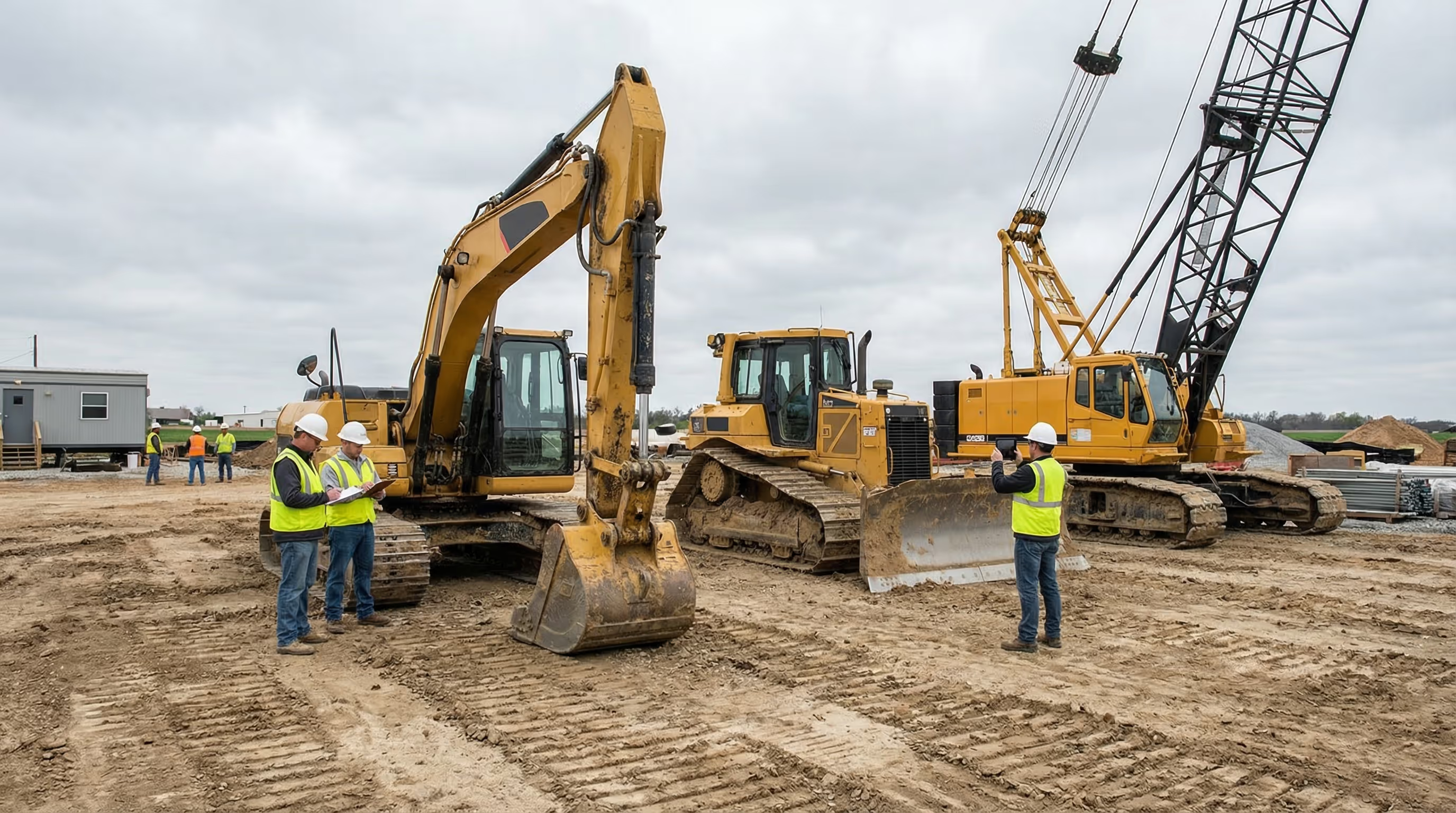
Construction equipment appraisal process showing excavator, bulldozer, and crane being evaluated

Picture this: you're selling a bulldozer that your books show is worth $85,000, but you accept an offer for $75,000 thinking that's fair market value. Later, you discover a proper appraisal would have valued it at $110,000. That $35,000 difference represents real money left on the table.

A construction equipment appraisal is a professional assessment that determines the fair market value of machinery and tools used in construction. These USPAP-compliant evaluations provide legally defensible documentation of your equipment's worth for financing, insurance, tax reporting, and sale negotiations. The process typically takes 1-3 days and involves detailed inspection, market research, and comprehensive reporting.

Key insight: Construction equipment appraisals serve multiple business purposes beyond simple valuation, including securing better financing terms, optimizing insurance coverage, and supporting tax strategies.

Whether you're refinancing your fleet, updating insurance policies, or preparing for a business sale, understanding how to maximize your appraisal's value protects your financial interests and ensures you make informed decisions about your equipment investments.

When you need a construction equipment appraisal

Several business scenarios trigger the need for professional equipment valuation. The most common situations include buying or selling equipment, where accurate values help you negotiate fair prices and avoid costly mistakes.

Financial institutions require appraisals for loan applications, refinancing, and credit line extensions. Your lender needs current market values to assess collateral and determine appropriate loan terms. Similarly, insurance companies may request appraisals for policy renewals, especially after claims or when coverage limits need adjustment.

Legal situations also demand professional valuations. Partnership disputes, divorce proceedings, estate settlements, and litigation often require court-acceptable documentation of equipment values. For those navigating common challenges in probate appraisal, having accurate equipment valuations becomes essential for fair estate distribution. Tax compliance represents another critical area, particularly for depreciation schedules, charitable donations, and IRS audits.

Business transitions like mergers, acquisitions, or partner buyouts rely heavily on accurate equipment valuations. Having current appraisals streamlines these processes and reduces negotiation disputes.

Understanding different types of equipment values

Different value types chart showing fair market, orderly liquidation, and forced sale

Construction equipment appraisals use different value standards depending on your specific needs. Fair market value represents the price equipment would sell for between willing parties in an open market, assuming reasonable marketing time and no pressure to sell.

Orderly liquidation value applies when equipment must be sold within a specific timeframe, typically 6-12 months. This value is usually 10-20% lower than fair market value because of time constraints but assumes proper marketing and presentation.

Forced liquidation value represents the lowest valuation scenario, where equipment must be sold immediately, often at auction. These values can be 30-50% below fair market value due to limited marketing time and buyer pool.

Value TypeTimelineTypical UseValue RangeFair MarketNo time pressureInsurance, financingHighestOrderly Liquidation6-12 monthsBusiness closure10-20% lowerForced LiquidationImmediate saleEmergency situations30-50% lower

Understanding these distinctions helps you choose the right valuation standard for your situation and set realistic expectations for potential outcomes. For those interested in learning more about different types and applications of equipment machinery appraising, these value standards apply across various equipment categories.

How the construction equipment appraisal process works

The appraisal process follows a structured approach that ensures accuracy and compliance with professional standards. Initially, you'll discuss the appraisal's purpose with the appraiser to determine the appropriate value standard and scope of work.

Data collection comes next, where you provide equipment specifications, purchase records, maintenance history, and usage information. The appraiser reviews this documentation to understand each machine's background and current condition.

Pro tip: Organizing your equipment documentation before the appraisal begins can reduce turnaround time by 1-2 days and improve valuation accuracy.

Physical inspection represents the core of the process. The appraiser examines each piece of equipment, documenting condition, functionality, and any modifications or damage. They take detailed photographs and may test operational systems to assess performance.

Market research follows the inspection, where the appraiser analyzes comparable sales, current market conditions, and industry trends affecting equipment values. This research ensures your valuation reflects current market realities rather than outdated assumptions.

Finally, the appraiser compiles findings into a comprehensive report that includes equipment descriptions, photographs, market analysis, and final value conclusions. This document serves as your official record for all business purposes. To better understand the steps of a proper equipment and machinery appraisal, consider reviewing detailed process documentation.

Preparing for your equipment appraisal

Proper preparation significantly impacts both the accuracy of your appraisal and the efficiency of the process. Start by gathering ownership documentation, including purchase agreements, titles, and any financing paperwork that establishes clear ownership and acquisition costs.

Equipment specifications and maintenance records provide crucial insights into condition and reliability. Collect service records, repair invoices, and any documentation of major overhauls or component replacements. Usage data such as hour meters, project histories, and operating conditions help appraisers understand wear patterns and remaining useful life.

Visual documentation supports the appraisal process, especially for remote or preliminary evaluations. Take clear photographs of each machine from multiple angles, including close-ups of any damage, modifications, or unique features.

Prior appraisals, if available, offer valuable historical context and help identify value trends over time. Include documentation of any upgrades, attachments, or modifications that might affect current market value.

Equipment preparation checklist with documents, photos, and maintenance records

Organizing this information in advance demonstrates professionalism and helps ensure nothing important gets overlooked during the evaluation process. For additional guidance, review how to prepare for a construction equipment appraisal to maximize your results.

Key factors that influence equipment value

Several critical factors determine your construction equipment's market value, with age and operating hours serving as primary considerations. Newer equipment with lower hours typically commands premium prices, while high-hour machines face steeper depreciation curves.

Condition assessment goes beyond simple visual inspection to include mechanical functionality, structural integrity, and component wear. Well-maintained equipment with documented service histories consistently appraises higher than neglected machines, even with similar age and hours.

Brand reputation and model popularity significantly impact resale values. Established manufacturers with strong dealer networks and parts availability maintain better value retention than lesser-known brands or discontinued models.

Market demand varies by equipment type, geographic location, and economic conditions. Specialized equipment may have limited buyer pools, while versatile machines like excavators and bulldozers typically enjoy broader market appeal.

Market insight: Equipment meeting current emissions standards often commands 15-25% premiums over older models due to regulatory compliance requirements in many markets.

Technology level and available attachments also influence value. Modern control systems, GPS integration, and specialized attachments can add significant value, while outdated technology may reduce marketability in competitive segments. Understanding these factors helps you avoid common mistakes to avoid when getting an equipment machinery appraisal.

Using your appraisal report strategically

Once you receive your appraisal report, several strategic applications can maximize its value for your business. For equipment sales, use the documented fair market value as your starting negotiation point, backed by professional analysis that buyers and their lenders will respect.

Insurance applications benefit from current appraisals that ensure adequate coverage limits and support claims processing. Many insurers offer premium discounts for equipment with recent professional valuations, recognizing reduced claim risks.

Financing negotiations improve when you present lenders with current, USPAP-compliant appraisals. These documents help secure better loan terms, higher advance rates, and faster approval processes by providing reliable collateral valuations.

Tax planning opportunities emerge from accurate equipment valuations, particularly for depreciation optimization, charitable donations, and estate planning strategies. Work with your CPA to identify potential tax advantages based on current market values versus book values. When dealing with estate matters, understanding common pitfalls to avoid when getting an appraisal for trusts wills can protect your interests.

Legal proceedings require defensible valuations that withstand scrutiny from opposing parties and courts. Professional appraisals provide the documentation and expert testimony support needed for successful outcomes in disputes or litigation.

The construction equipment appraisal process doesn't have to be complicated when you understand what to expect and how to prepare. By organizing your documentation, choosing qualified appraisers, and using your reports strategically, you protect your equipment investments and make better business decisions. Whether you're buying, selling, financing, or simply managing risk, professional appraisals provide the foundation for confident action in today's competitive construction market.

At AppraiseItNow, our USPAP-compliant appraisers specialize in construction equipment valuations nationwide, delivering defensible reports accepted by lenders, insurers, and courts. Contact us today to discuss how a professional appraisal can support your specific business objectives.

FAQ

What is a construction equipment appraisal?

A construction equipment appraisal is a professional assessment that determines the fair market value of machinery and tools used in construction. These USPAP-compliant evaluations provide legally defensible documentation of your equipment's worth for financing, insurance, tax reporting, and sale negotiations. The process involves detailed inspection, market research, and comprehensive reporting by qualified appraisers.

How long does a construction equipment appraisal take?

The appraisal process typically takes 1-3 days, depending on the size and complexity of your equipment fleet. This includes on-site inspection time (which can range from a few hours to a full day) and off-site analysis and report preparation. Larger fleets or multi-location projects may require additional time, while urgent appraisals can often be accommodated with expedited service.

What documents do I need for a construction equipment appraisal?

You should prepare equipment specifications, purchase records, maintenance history, usage information, titles or ownership documents, and any documentation of modifications or repairs. Having complete documentation organized before the appraisal begins can reduce turnaround time by 1-2 days and improve valuation accuracy by providing the appraiser with comprehensive background information.

How often should I get my construction equipment appraised?

Most construction companies should update their equipment appraisals every 1-3 years, or when triggered by specific events such as refinancing, insurance renewals, equipment purchases or sales, business transitions, or significant market changes. High-usage equipment or rapidly changing market conditions may justify more frequent appraisals to ensure accurate valuations for financial and insurance purposes.

Related Appraisals We Offer

Related Articles

BEST-IN-CLASS APPRAISERS, CREDENTIALED BY: