Complete Guide to Appraising Antique Silver Value and Authenticity

Last Updated on Nov 06, 2025
Originally Published on Nov 06, 2025
Thank you! Your submission has been received!
Oops! Something went wrong while submitting the form.
Nationwide Service
Onsite or Online
USPAP-Compliant
IRS Qualified
DEFENSIBLE, USPAP-COMPLIANT APPRAISAL REPORTS — ACCEPTED BY 10,000+ ORGANIZATIONS
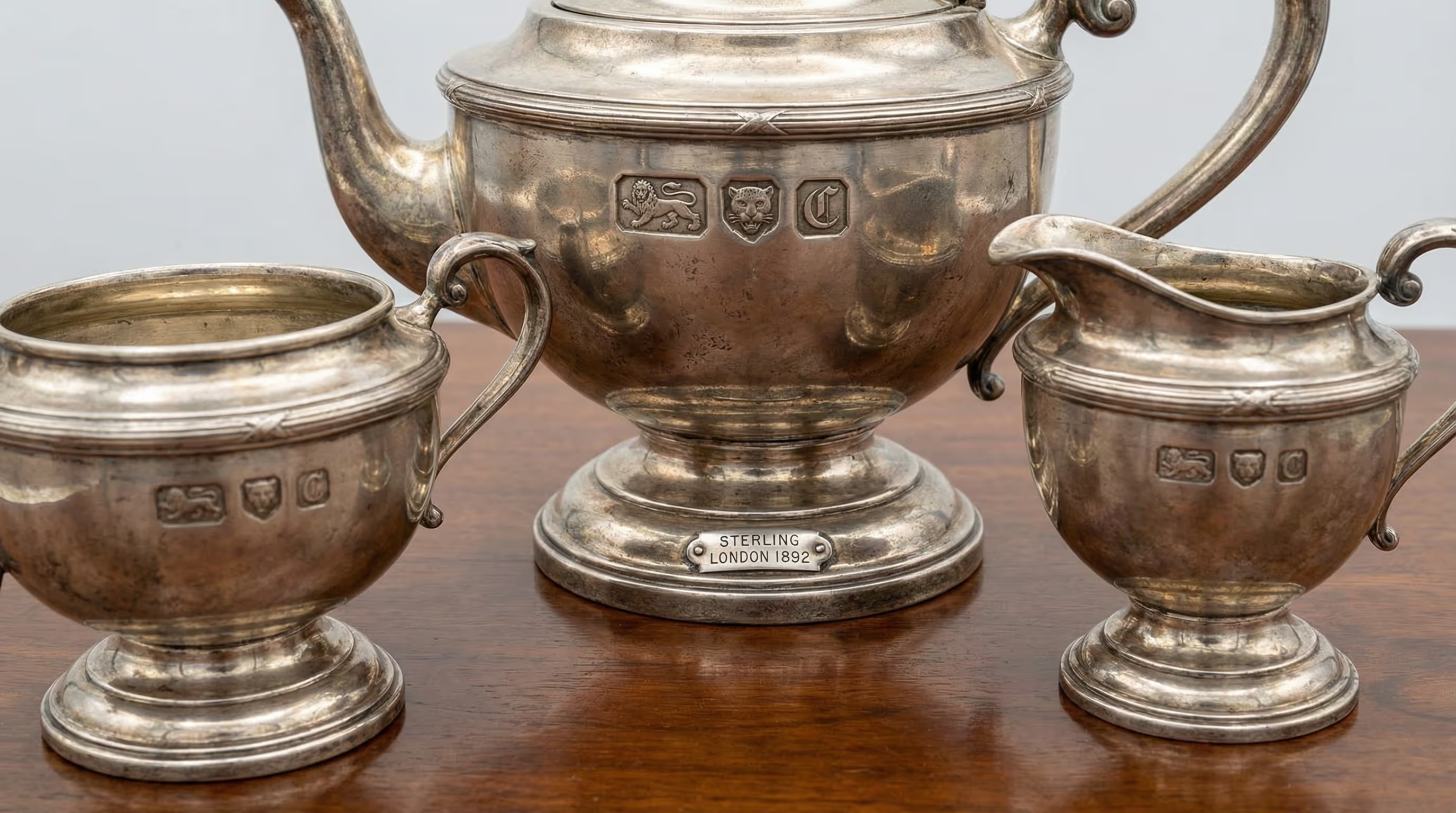
Antique silver tea set with hallmarks close up

Whether you've inherited grandmother's silver tea set or discovered a beautiful piece at an estate sale, knowing how to properly appraise antique silver can mean the difference between a valuable treasure and an expensive mistake. Antique silver appraisal involves examining multiple factors including hallmarks, condition, maker reputation, and current market demand.

The key to accurate silver appraisal lies in understanding what makes each piece unique. Age alone doesn't determine value - a well-preserved 1920s sterling silver serving tray by a renowned maker like Tiffany & Co. can be worth significantly more than a damaged 1800s piece from an unknown craftsman. Professional appraisers look for specific markers that indicate authenticity, quality, and market desirability.

Quick Fact: Sterling silver contains 92.5% pure silver and is marked with "925" or "Sterling" hallmarks, while silver-plated items have only a thin layer of silver over base metal and are worth considerably less.

This comprehensive guide will walk you through the essential steps of evaluating antique silver, from identifying authentic hallmarks to assessing condition and determining fair market value. You'll learn what professional appraisers look for and how to avoid common pitfalls when buying or selling antique silver pieces.

Understanding hallmarks and maker's marks

Hallmarks are your first and most important clue to a piece's authenticity and value. These small stamps or engravings tell the story of when, where, and by whom your silver was made. Sterling silver pieces typically display "925," "Sterling," or the maker's name, while silver-plated items might show "EPNS" (Electroplated Nickel Silver) or "Silver Plate."

Location matters significantly when reading hallmarks. British silver features a complex system of marks indicating the assay office, date, and silver purity. American pieces often display the manufacturer's name alongside purity marks. European silver may include country-specific symbols and purity numbers like "800" for 80% silver content.

Close up of various silver hallmarks and makers marks

Famous makers command premium prices in today's market. Names like Tiffany & Co., Georg Jensen, or Paul Revere can multiply a piece's value dramatically. Research your maker's mark using reputable silver reference guides or consult with certified appraisers who specialize in antique silver in your piece's origin and time period.

Assessing condition and craftsmanship quality

Condition directly impacts value, sometimes more than age or maker reputation. Examine your piece under good lighting for dents, scratches, repairs, or missing parts. Small surface scratches are normal and expected on antique pieces, but deep gouges, significant dents, or amateur repairs can reduce value substantially.

Look closely at joints, handles, and decorative elements where stress typically occurs. Loose handles, wobbly legs, or separated seams indicate structural issues that require professional restoration. Original patina - the natural darkening that occurs over time - is generally desirable and should not be over-cleaned or polished away.

Condition FactorValue ImpactWhat to Look ForExcellent100% of market valueMinor surface wear onlyGood75-90% of market valueLight scratches, stable structureFair50-75% of market valueNoticeable wear, minor repairsPoor25-50% of market valueSignificant damage, major repairs

Craftsmanship quality becomes apparent when you examine details like engraving sharpness, weight distribution, and finishing consistency. Hand-crafted pieces often show slight irregularities that indicate individual artistry, while machine-made items display uniform patterns and consistent thickness.

Identifying fakes and reproductions

The antique silver market unfortunately includes numerous fakes and reproductions designed to deceive buyers. Modern reproductions often lack the weight and feel of genuine antique silver, feeling lighter or having an artificial appearance to their finish.

Examine hallmarks carefully with a magnifying glass. Fake marks often appear fuzzy, poorly aligned, or inconsistent with known historical marking practices. Genuine hallmarks are typically crisp and precisely placed. Be suspicious of pieces with marks that seem too perfect or new-looking for their supposed age. Understanding common myths about antique silver appraisal can help you avoid falling for these deceptions.

Red Flag: If a piece claims to be antique but shows no signs of age-appropriate wear, has suspiciously perfect hallmarks, or feels unusually light for its size, proceed with extreme caution and seek professional authentication.

Testing methods can help confirm authenticity, but should be performed carefully to avoid damage. The magnet test works because silver is not magnetic - if a strong magnet attracts your piece, it contains significant amounts of ferrous metal. However, this test isn't foolproof since some silver-plated items use non-magnetic base metals.

Professional testing using electronic devices or chemical spot tests provides more reliable results but should only be performed by experienced appraisers who understand how to minimize any potential damage to your piece.

Determining current market value

Market value depends on current collector demand, recent sales of comparable pieces, and broader economic factors affecting the antiques market. Research recent auction results for similar items, but remember that auction prices can vary significantly based on the venue, marketing, and buyer competition.

Consider the piece's functionality and decorative appeal in today's market. Complete tea sets, serving pieces, and jewelry tend to hold value better than single items or pieces with limited modern use. Unique or rare items from famous makers can command premium prices among serious collectors.

Antique silver appraisal process with tools and documentation

Weight plays a role in silver valuation, but artistic merit and rarity often matter more than pure silver content. A beautifully crafted small piece by a renowned maker can be worth more than a larger, plain item of the same silver content. Document your piece thoroughly with photographs and measurements to support any professional appraisal.

Market Insight: The antique silver market has shown steady growth over the past decade, with exceptional pieces from famous makers appreciating faster than common items, making proper identification and authentication crucial for investment decisions.

Professional appraisal becomes essential for insurance purposes, estate planning, or significant transactions. Understanding the benefits of professional antique silver appraisal ensures you receive accurate valuations. Certified appraisers bring specialized knowledge, proper equipment, and market expertise that ensures accurate valuations. They can also provide written documentation that meets legal and insurance requirements.

Understanding antique silver appraisal empowers you to make informed decisions whether buying, selling, or simply appreciating pieces in your collection. The combination of historical knowledge, careful examination, and current market awareness helps you recognize true value and avoid costly mistakes. Before scheduling an appraisal, learn how to prepare for an antique silver appraisal to ensure you get the most accurate assessment. When in doubt, consulting with certified professionals ensures you receive accurate, defensible appraisals that protect your interests and investment. If you're wondering when to turn to a professional for help with an antique silver appraisal, consider the complexity of your piece and the stakes involved in your decision.

FAQ

How do you determine if antique silver is authentic?

Examine hallmarks carefully with a magnifying glass for crisp, properly aligned marks like "925" or "Sterling." Authentic pieces have appropriate weight for their size, show natural age-related wear, and pass the magnet test (silver is not magnetic). Professional testing using electronic devices or chemical spot tests provides the most reliable authentication results.

What factors most significantly impact antique silver value?

The most important factors are maker reputation (pieces by Tiffany & Co. or Georg Jensen command premium prices), condition (excellent condition retains 100% market value while poor condition drops to 25-50%), silver purity (sterling silver at 92.5% is worth more than silver-plated items), and rarity or historical significance of the piece.

Should I clean my antique silver before having it appraised?

No, avoid cleaning or polishing antique silver before appraisal. Original patina - the natural darkening that occurs over time - is generally desirable and adds to the piece's authenticity and value. Over-cleaning can remove this valuable patina and potentially damage delicate details or hallmarks that appraisers need to examine.

When should I seek professional appraisal versus self-assessment?

Seek professional appraisal for insurance purposes, estate planning, significant transactions, or when dealing with pieces from famous makers. Professional appraisers bring specialized knowledge, proper testing equipment, and can provide legally defensible written documentation. Self-assessment works for general curiosity about common pieces with clear hallmarks.

Related Appraisals We Offer

Related Articles

BEST-IN-CLASS APPRAISERS, CREDENTIALED BY: