Own a vintage dresser or family heirloom couch that's been passed down through generations? You might be sitting on a valuable treasure without even knowing it. Professional antique furniture appraisals help you discover the true worth of your pieces, whether you need accurate values for insurance coverage, estate planning, or potential sale.
An antique furniture appraisal is a detailed professional assessment that determines fair market value by examining age, condition, craftsmanship, materials, and provenance. The process typically takes 30 minutes to 2 hours per piece and results in a comprehensive report accepted by insurance companies, courts, and the IRS.
Quick Fact: Certified appraisers follow USPAP (Uniform Standards of Professional Appraisal Practice) guidelines to ensure accurate, defensible valuations that hold up in legal and financial situations.
You need a professional appraisal when your furniture has potential historical significance, unique craftsmanship, or suspected high value. Unlike modern furniture that depreciates, genuine antiques often appreciate over time, making accurate valuation crucial for proper insurance coverage and financial planning.
The appraisal process goes far beyond a simple visual inspection. Certified appraisers examine construction techniques, identify maker's marks, research historical records, and analyze current market trends. This comprehensive approach ensures you receive an accurate assessment that reflects your piece's true worth in today's market.
Think of it like getting a medical diagnosis. Just as you wouldn't trust a serious health concern to someone without proper training, valuable antique furniture deserves evaluation by a qualified professional who understands the nuances of historical craftsmanship and market dynamics.

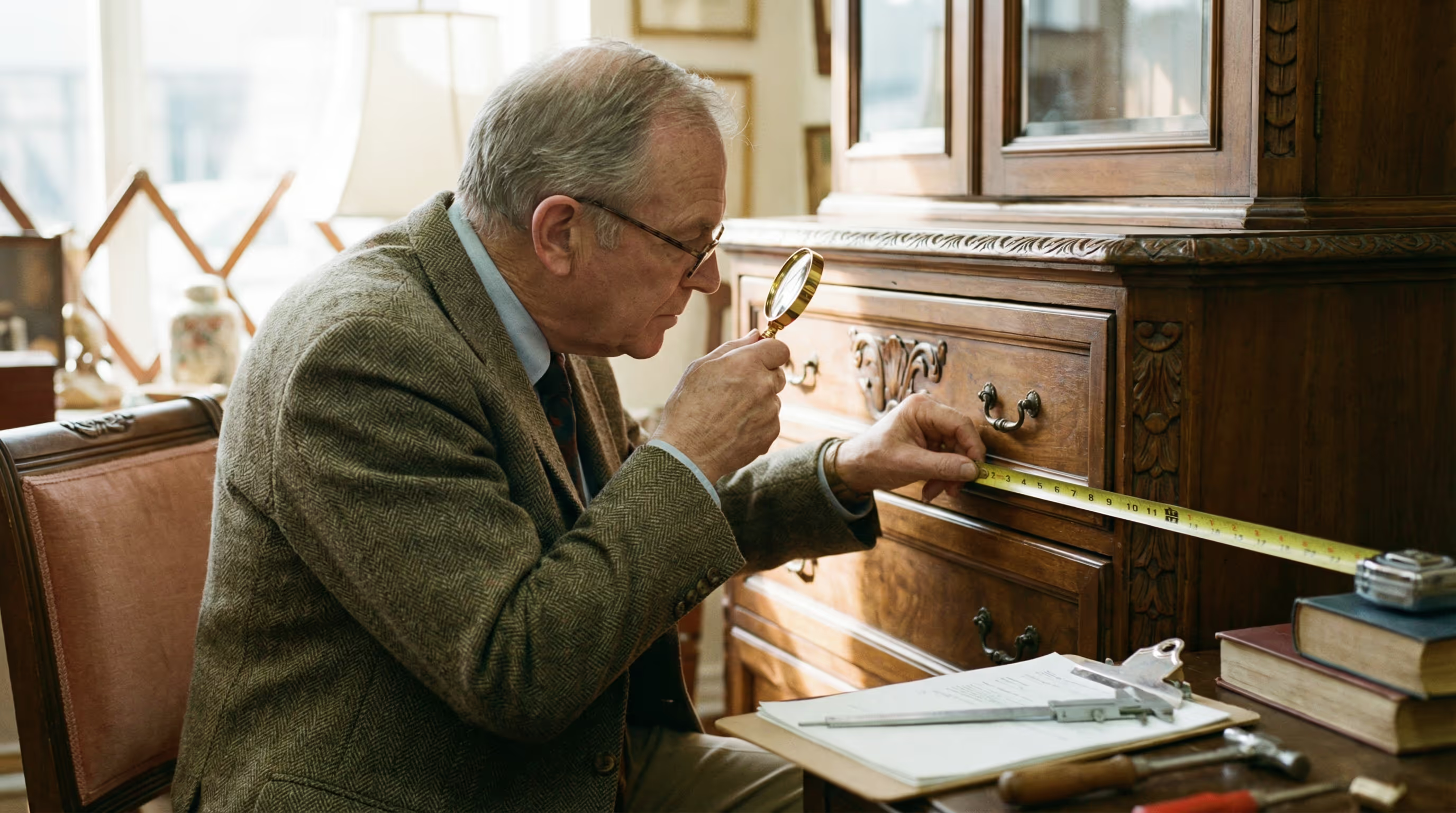
The appraisal begins with a thorough physical examination where the appraiser inspects every detail of your furniture piece. They measure dimensions, photograph all angles, and document any damage, repairs, or alterations. This initial inspection reveals construction methods, materials used, and overall condition.
Next comes the research phase, where appraisers investigate your piece's history and authenticity. They look for maker's marks, labels, or signatures that identify the manufacturer or craftsperson. This detective work often involves consulting historical records, auction databases, and specialized reference materials to establish provenance and age.
Market analysis follows, where the appraiser compares your piece to similar items recently sold at auctions, estate sales, and antique dealers. This comparative approach helps establish current market value by examining what collectors are actually paying for comparable pieces in similar condition.
Expert Tip: Appraisers use three primary valuation methods - sales comparison (most common), cost approach for reproductions, and income approach for investment pieces - depending on your specific needs and the furniture's characteristics.
Age plays a significant role, but older doesn't automatically mean more valuable. The sweet spot for many antique furniture pieces falls between 100-200 years old, when craftsmanship was still largely handmade but examples remain relatively available for comparison.
Condition dramatically impacts value, with original finish and minimal restoration commanding premium prices. However, some wear is expected and even desirable as it confirms authenticity. Professional appraisers can distinguish between acceptable aging and damage that significantly reduces value.
Rarity and historical significance can elevate an ordinary piece to extraordinary status. Furniture made by famous craftsmen, associated with historical events, or representing rare design periods often commands prices far above similar but less significant pieces.
Valuation FactorHigh Value IndicatorsValue ReducersConditionOriginal finish, minimal wearHeavy damage, poor repairsProvenanceFamous maker, documented historyUnknown origin, no documentationRarityLimited production, unique designMass-produced, common style
Start by gathering any documentation you have about the piece, including purchase receipts, previous appraisals, family history, or photographs showing the item in different time periods. This background information helps appraisers establish provenance and can significantly impact the final valuation.
Clean your furniture gently before the appraisal, but avoid using harsh chemicals or attempting any repairs. Simple dusting with a soft cloth is sufficient. The appraiser needs to see the piece in its current, unaltered state to make an accurate assessment.
Take your own photographs from multiple angles before the appointment, focusing on any maker's marks, labels, or unique details. While the appraiser will take professional photos, having your own documentation creates a valuable record for insurance purposes.
Research similar pieces online to get a general sense of potential value ranges, but remember that subtle differences in age, condition, or maker can dramatically affect worth. This preliminary research helps you ask informed questions during the appraisal process.

Getting a reliable antique furniture appraisal protects your investment and provides peace of mind whether you're insuring a family heirloom or considering a sale. Professional appraisers bring expertise, market knowledge, and objective analysis that ensures you understand your furniture's true value in today's market. With proper documentation and a certified appraisal report, you'll have the information needed to make informed decisions about your valuable antique pieces.
The appraisal process typically takes 30 minutes to 2 hours per piece for the physical inspection, followed by additional research time. Simple pieces may be completed within a day, while complex items requiring extensive provenance research can take several days to weeks. The final written report is usually delivered within 1-2 weeks of the initial inspection.
Gather all documentation including purchase receipts, previous appraisals, family history, and photographs. Clean the furniture gently with a soft cloth but avoid harsh chemicals or repairs. Take your own photographs from multiple angles, focusing on maker's marks and unique details. Research similar pieces online to understand potential value ranges and prepare informed questions for the appraiser.
Key factors include age (typically 100-200 years for optimal value), condition with original finish preferred, rarity and historical significance, provenance and maker documentation, construction techniques and materials used, and current market demand. Famous craftsmen, documented history, and unique design periods can significantly increase value, while heavy damage or poor repairs reduce worth.
A comprehensive appraisal report includes detailed item descriptions, professional photographs from multiple angles, condition assessment noting any damage or repairs, market research with comparable sales data, value estimates (fair market, replacement, or insurance value), and USPAP compliance certifications. The report is accepted by insurance companies, courts, and the IRS for legal and financial purposes.