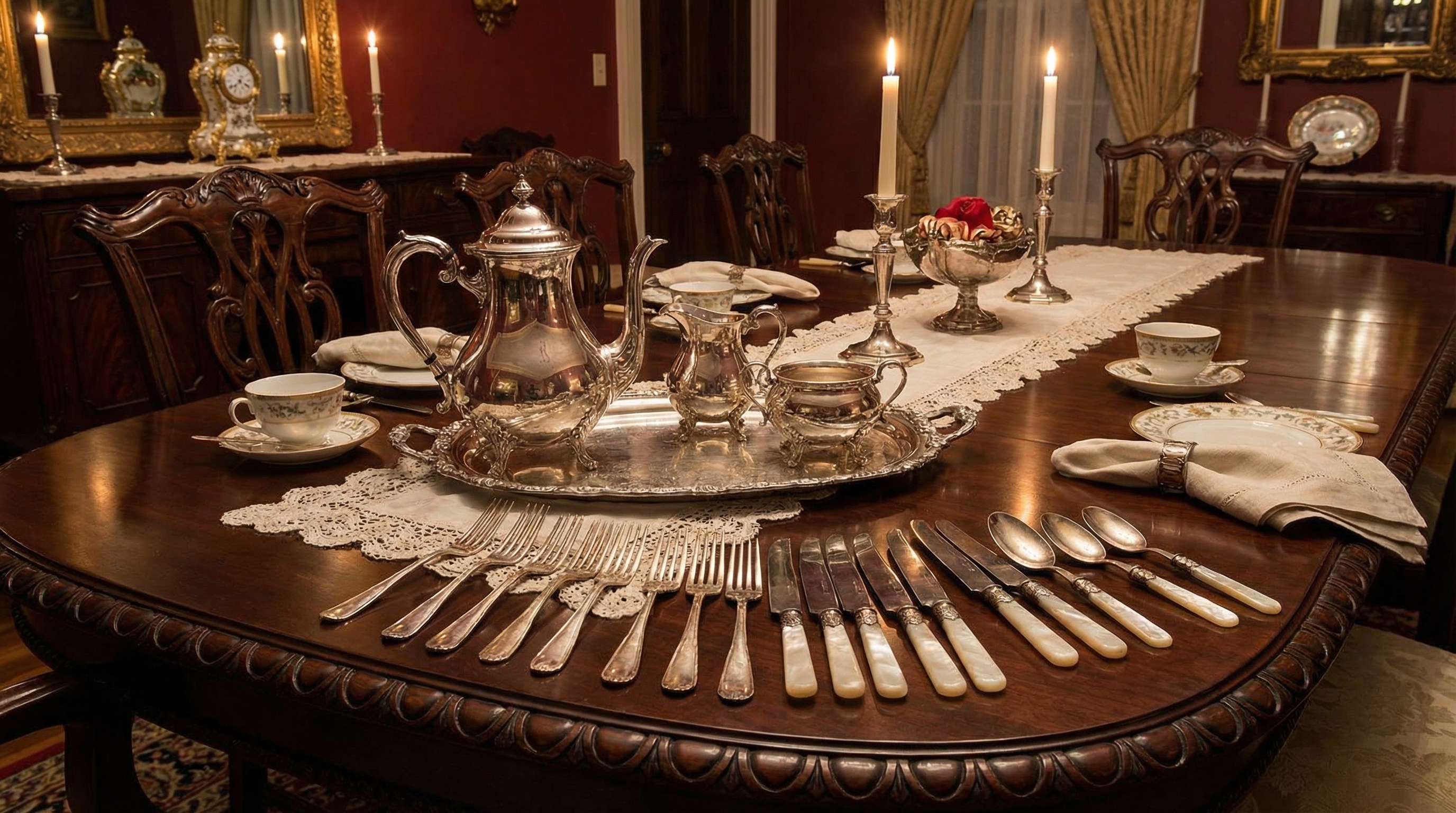
Wondering if that inherited silver tea set gathering dust in your cabinet is worth more than sentimental value? You're not alone. Many people discover they own valuable antique silver pieces without realizing their true worth. Sterling silver pieces can range from $50 for simple items to over $10,000 for rare, museum-quality pieces, while even silverplate items can hold surprising value depending on their maker and condition.
Getting an accurate appraisal isn't just about curiosity. Whether you're considering insurance coverage, estate planning, or simply want to understand what you own, knowing your antique silver's true value protects your financial interests and helps you make informed decisions. Understanding the value of professional antiques appraisals can help you appreciate why expert evaluation matters.
What makes antique silver valuable
The value of your antique silver depends on several key factors that professional appraisers examine closely. Understanding these elements helps you recognize potentially valuable pieces in your collection.
Metal content forms the foundation of value. Sterling silver contains 92.5% pure silver and commands higher prices than silverplate, which has only a thin silver coating over base metals. Coin silver, made from melted coins, contains about 90% silver and often appears in American pieces from the 1800s.
Age and maker significantly influence worth. Pieces from renowned silversmiths like Tiffany & Co., Georg Jensen, or Paul Revere can be worth tens of thousands. Even lesser-known makers from specific periods or regions carry premium values. Hallmarks and maker's marks provide crucial identification information that appraisers use to determine origin and period. Age alone does not decide value, though: a later piece from a sought-after maker can outprice an older one from an obscure workshop, and pattern names matter for flatware.
Condition and craftsmanship affect pricing dramatically. A dented tea service loses substantial value compared to pristine examples. However, exceptional hand-engraving, intricate patterns, or unique design elements can offset minor condition issues. Original patina often adds value, while over-polishing can reduce it. When preparing for an antique silver appraisal, understanding these factors helps you present your pieces appropriately.
Completeness and markings round out the picture. A full flatware service is worth more than the same number of odd pieces, and missing items from a set lower its value. Monograms and inscriptions can cut either way: a later monogram may reduce appeal, while an inscription tied to a notable owner or event can add to it.
How to tell sterling silver from silverplate before an appraisal
Sorting sterling from plate is the first question to answer, because it changes the value more than almost anything else. You can often get a good idea at home before paying for an appraisal.
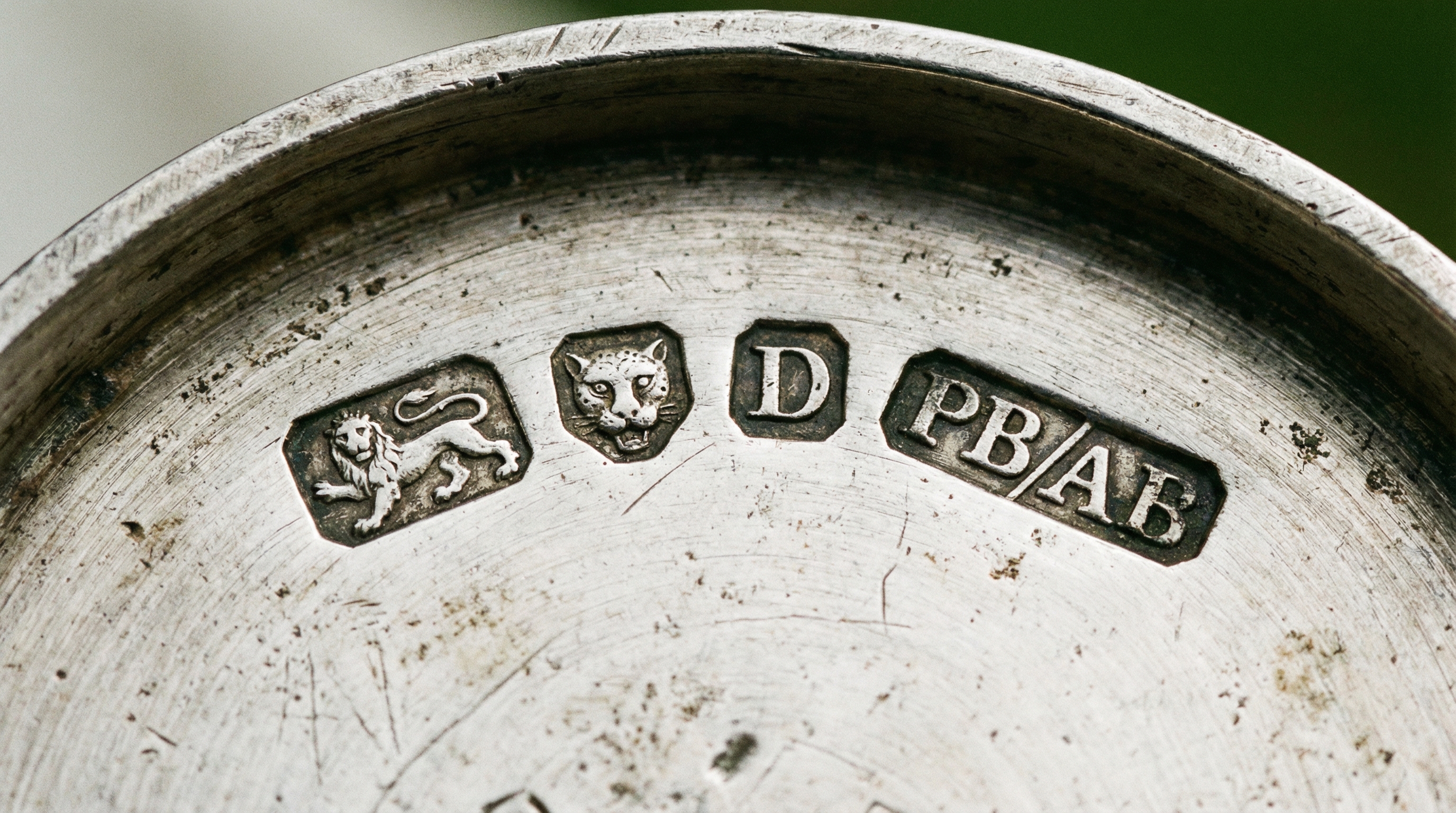
Start with the marks, which are usually small and easier to read under magnification. These are the most common markings you will find:
- "Sterling" or "925": sterling silver, 92.5% pure.
- "800": a lower silver standard common on European pieces.
- "Coin" or "Pure Coin": American coin silver, about 90% pure.
- "EP," "EPNS," or "Silverplate": plated base metal.
Wear tells you more. Plating thins at edges, rims, and high-contact spots, and base metal (often a yellow or coppery tone) shows through. Solid silver tarnishes more evenly and does not reveal a different metal underneath. Weight is a useful hint too, since solid pieces tend to feel heavier for their size, but marks and wear are more reliable than feel alone. English and other European pieces may carry hallmark systems instead of a number, and those are exactly the marks an appraiser reads to establish maker, city, and date.
Professional appraisal methods explained
Professional appraisers use three primary approaches to determine your antique silver's value, each serving different purposes and providing different perspectives on worth.
The market approach compares your piece to similar items recently sold at auctions, estate sales, and reputable dealers. This method works best for common patterns or well-documented makers where sufficient sales data exists. Appraisers analyze condition differences and adjust values accordingly. Auction results are especially useful here because they show what competing buyers actually paid, rather than what a seller hoped to get.
The cost approach calculates replacement value by considering current silver prices, manufacturing costs, and craftsmanship requirements. This method proves useful for insurance appraisals where you need to know replacement costs rather than resale values.
The income approach applies primarily to investment-grade pieces, projecting future value based on historical appreciation rates and market trends. Rare pieces from famous makers often use this method, especially when few comparable sales exist.
Melt value sets the floor, not the value
Every sterling or coin silver piece has a melt value. To estimate it, weigh the piece in troy ounces, multiply by its silver content (0.925 for sterling, about 0.90 for coin silver), and multiply by the current silver spot price. Weighted pieces such as some candlesticks contain filler, so their silver weight is lower than the scale suggests.
Antique silver from a good maker, in a desirable pattern, or with fine hand work usually sells well above melt value. Common, worn, or incomplete pieces tend to trade much closer to it. Knowing both numbers helps you avoid selling a collectible piece for its scrap price.
Insurance replacement values often run well above fair market values, which is why a purpose-specific appraisal matters for adequate coverage.
Types of antique silver and their value ranges
Different categories of antique silver carry distinct value ranges, helping you prioritize which pieces might warrant professional appraisal.
Flatware sets represent the most common antique silver category. Complete sterling silver services for 8-12 people from quality makers like Gorham or Reed & Barton typically range from $1,500 to $8,000. Rare patterns or famous makers can push values much higher. Silverplate flatware generally ranges from $200 to $1,500 for complete sets.
Tea and coffee services often command premium prices due to their decorative nature and craftsmanship requirements. Sterling silver tea sets from the Victorian era typically start around $2,000 and can exceed $15,000 for elaborate examples from prestigious makers.
Serving pieces and hollowware include items like bowls, trays, and candlesticks. Values vary widely based on size, maker, and rarity. Simple sterling bowls might be worth $300-800, while elaborate centerpieces can reach $5,000 or more.
| Silver Type | Silverplate Range | Sterling Silver Range |
|---|---|---|
| Flatware Sets | $200-$1,500 | $1,500-$8,000+ |
| Tea Services | $300-$2,000 | $2,000-$15,000+ |
| Serving Pieces | $50-$800 | $300-$5,000+ |
When you need an antique silver appraisal
The reason for the appraisal decides which type of value you need, so it is worth being clear about it upfront. These are the most common reasons owners order an antique silver appraisal:
- Insurance coverage. Many standard homeowners policies cap theft coverage for silverware, often at $2,500, so a valuable service usually needs to be scheduled separately with a replacement value appraisal.
- Estate settlement and inheritance. Executors need fair market values for probate and estate tax filings, and heirs dividing a collection benefit from a neutral figure.
- Charitable donations. A noncash gift valued over $5,000 requires a qualified appraisal to claim the deduction, as covered in our IRS Form 8283 appraiser guide.
- Selling. A current fair market value keeps you from underpricing a collectible piece or overpricing a common one.
For insurance, most owners update every three to five years, and sooner when silver prices move sharply or the collection grows.
How to prepare your silver for an appraisal
Good preparation shortens the appraiser's work and improves the result. Take these steps before your appraisal:
- Do not polish. Original surface and patina help establish age, and aggressive cleaning can remove detail and reduce value.
- Photograph each piece. Capture an overall view plus close-ups of hallmarks, maker's marks, monograms, and any damage or repairs, in good light.
- Count and list sets. Group flatware by pattern, count every piece, and note anything missing.
- Gather documentation. Receipts, previous appraisals, insurance records, and family history all help establish provenance.
- Note what you know. If you have identified a maker or pattern from the marks, share it as a lead for the appraiser to confirm.
A written antique silver appraisal report supports insurance, estate, and tax use
A verbal opinion costs less and can help you decide whether a formal appraisal is worthwhile, but it will not support a claim, a filing, or a division of property. A written report describes each piece or set with its weight and marks, notes condition and missing components, summarizes the comparable sales relied on, and states the type of value and its effective date, along with the appraiser's credentials, methodology, and limiting conditions as USPAP requires.
Choosing the right appraiser for accurate valuations
Finding a qualified appraiser ensures you receive accurate, defensible valuations that serve your specific needs. The wrong choice can cost you thousands in undervalued pieces or inflated insurance premiums. Learning how to find a reliable antique silver appraiser is crucial for protecting your investment.
Professional credentials matter significantly. Look for appraisers credentialed through recognized organizations like the American Society of Appraisers (ASA) or the International Society of Appraisers (ISA). These credentials require education, testing, and ongoing professional development.
Specialization in antique silver provides crucial expertise. General appraisers might miss subtle details that silver specialists recognize immediately. Ask about their specific experience with your type of pieces and request examples of similar appraisals they've completed. An appraiser strong in American sterling may be less suited to European or Asian silver, so match the expertise to what you own.
Purpose-specific appraisals require different approaches. Insurance appraisals focus on replacement costs, while estate or donation appraisals emphasize fair market value. Ensure your appraiser understands your specific needs and follows appropriate standards for your situation. Understanding the cost of an antique silver appraisal helps you budget appropriately.
Red flags are worth knowing before you book. Be cautious of an appraiser who offers to buy the silver they are valuing, charges a percentage of the appraised value, promises a figure before seeing the pieces, or cannot explain their methodology. A professional quotes the fee upfront, explains what the report will contain, and carries errors and omissions insurance.
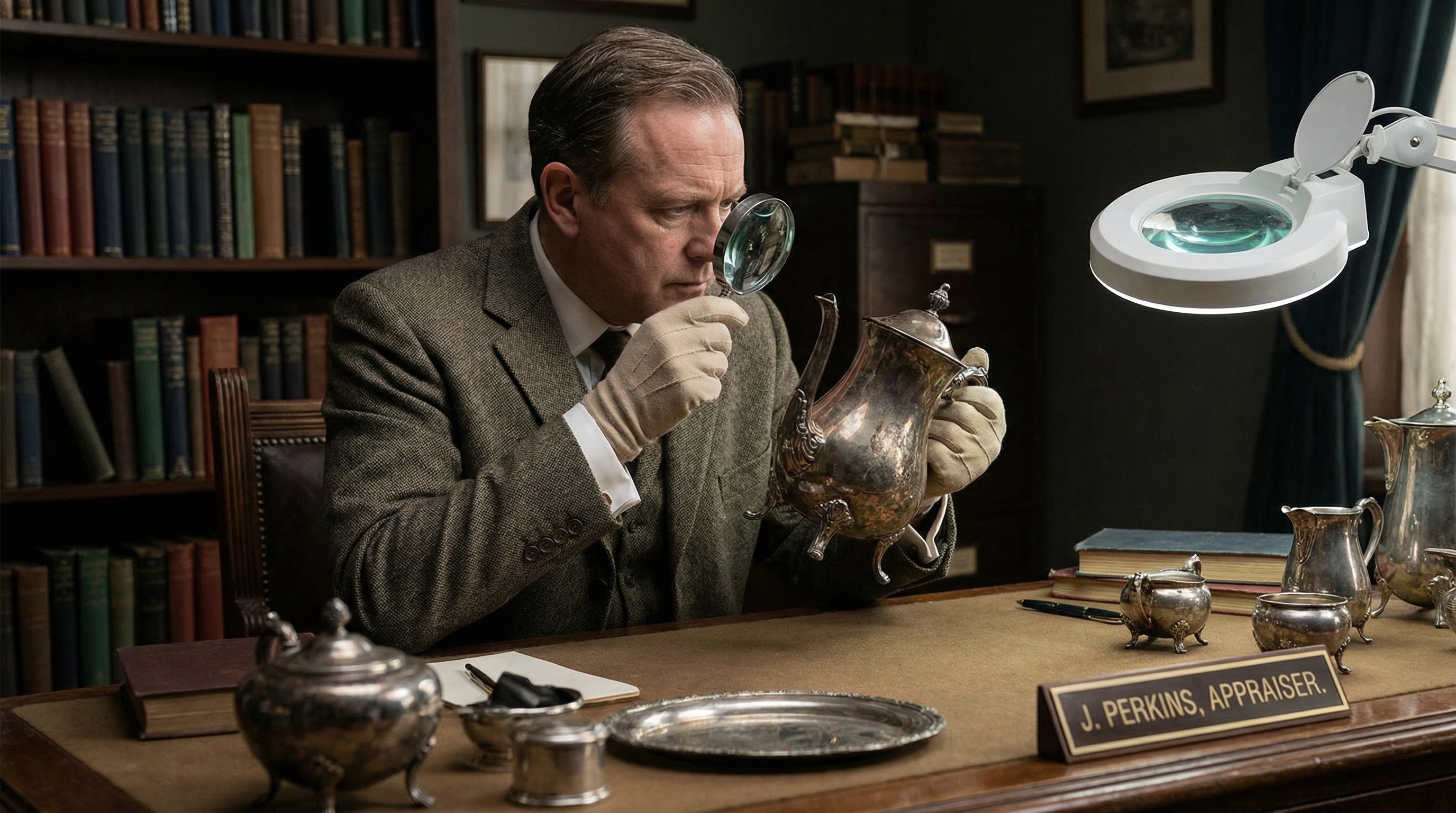
Appraisal costs typically range from $300-800 for comprehensive silver evaluations, but discovering underinsured pieces worth thousands makes this investment worthwhile.
The silver market continues evolving, with certain periods and makers gaining popularity while others fluctuate. Working with experienced professionals who understand these trends ensures your appraisals reflect current market realities rather than outdated assumptions.
Remember that antique silver represents both financial assets and family heritage. Professional appraisals provide the documentation needed to protect both aspects, whether through proper insurance coverage, informed estate planning, or simply understanding the treasures you've inherited. When you're ready to discover your silver's true worth, our AppraiseItNow appraisers provide accurate, comprehensive evaluations tailored to your specific needs. For additional insights, review common myths about antique silver appraisal to ensure you have accurate expectations.