Whether you've inherited a coin collection or discovered old currency in your attic, understanding the true value of these items requires professional expertise. A coin and currency appraisal provides an official assessment of your collection's worth, serving various purposes from insurance coverage to estate planning.
Quick Fact: Professional coin appraisals can reveal collections worth thousands more than expected, with some rare coins valued at over $100,000 depending on condition and rarity.
Getting your coins and currency professionally appraised isn't just about curiosity. It's about making informed decisions whether you're looking to insure valuable pieces, settle an estate, or consider selling your collection. This guide walks you through everything you need to know about the appraisal process, from understanding what appraisers evaluate to finding qualified professionals.
A coin and currency appraisal is a professional evaluation conducted by certified appraisers who determine the fair market value of your collection. Unlike casual estimates or online calculators, these appraisals follow strict industry standards and provide legally defensible documentation.
During the appraisal process, experts examine each piece individually, considering factors like condition, rarity, historical significance, and current market demand. The appraiser documents their findings in a comprehensive written report that includes detailed descriptions, photographs, and value estimates for each item.
Important: USPAP-compliant appraisals are required for most official purposes, including insurance claims, estate settlements, and charitable donations over $5,000.
Professional appraisals differ significantly from informal valuations. While a coin dealer might give you a quick estimate, a certified appraiser provides thorough documentation that meets legal and insurance industry standards. This distinction becomes crucial when you need to prove value for official purposes.

The most common reason people seek coin appraisals is for insurance purposes. Standard homeowner's policies typically provide limited coverage for collectibles, often capping payouts at just a few thousand dollars. A professional appraisal allows you to secure proper coverage through scheduled personal property riders.
Estate planning represents another critical use case. When coins and currency are part of an inheritance, accurate valuations ensure fair distribution among beneficiaries and proper tax reporting. Without professional documentation, families often struggle to divide collections equitably or may unknowingly undervalue significant pieces.
If you're considering selling your collection, understanding the benefits of regular appraisals provides leverage in negotiations. Sellers armed with professional valuations can confidently price their items and avoid accepting lowball offers from buyers who might exploit their lack of market knowledge.
Charitable donations also require appraisals for tax deduction purposes. The IRS mandates professional appraisals for non-cash donations exceeding $5,000, and having proper documentation ensures you can claim the full allowable deduction.
Finding the right appraiser requires attention to credentials and specialization. Look for professionals who hold certifications from recognized organizations like the American Society of Appraisers (ASA) or the International Society of Appraisers (ISA). These credentials indicate the appraiser has completed rigorous training and adheres to professional standards.
Specialization matters significantly in numismatics. An appraiser who focuses on coins and currency will have deeper market knowledge than a generalist who appraises various collectibles. When searching for an accurate coin appraiser, ask potential candidates about their specific experience with your type of collection, whether it's ancient coins, paper money, or modern commemoratives.
CredentialOrganizationFocus AreaASAAmerican Society of AppraisersGeneral personal propertyISAInternational Society of AppraisersSpecialized collectiblesANAAmerican Numismatic AssociationCoins and currency only
Verify that your chosen appraiser produces USPAP-compliant reports. The Uniform Standards of Professional Appraisal Practice ensure consistency and reliability across the industry. Additionally, confirm the appraiser carries professional liability insurance to protect against errors or omissions.
Pro Tip: Always request sample reports before hiring an appraiser to ensure their documentation meets your specific needs and industry standards.

The appraisal process typically begins with an initial consultation where you discuss your collection's scope and the appraisal's intended use. Different purposes may require different approaches. For instance, insurance appraisals often focus on replacement values, while estate appraisals emphasize fair market value.
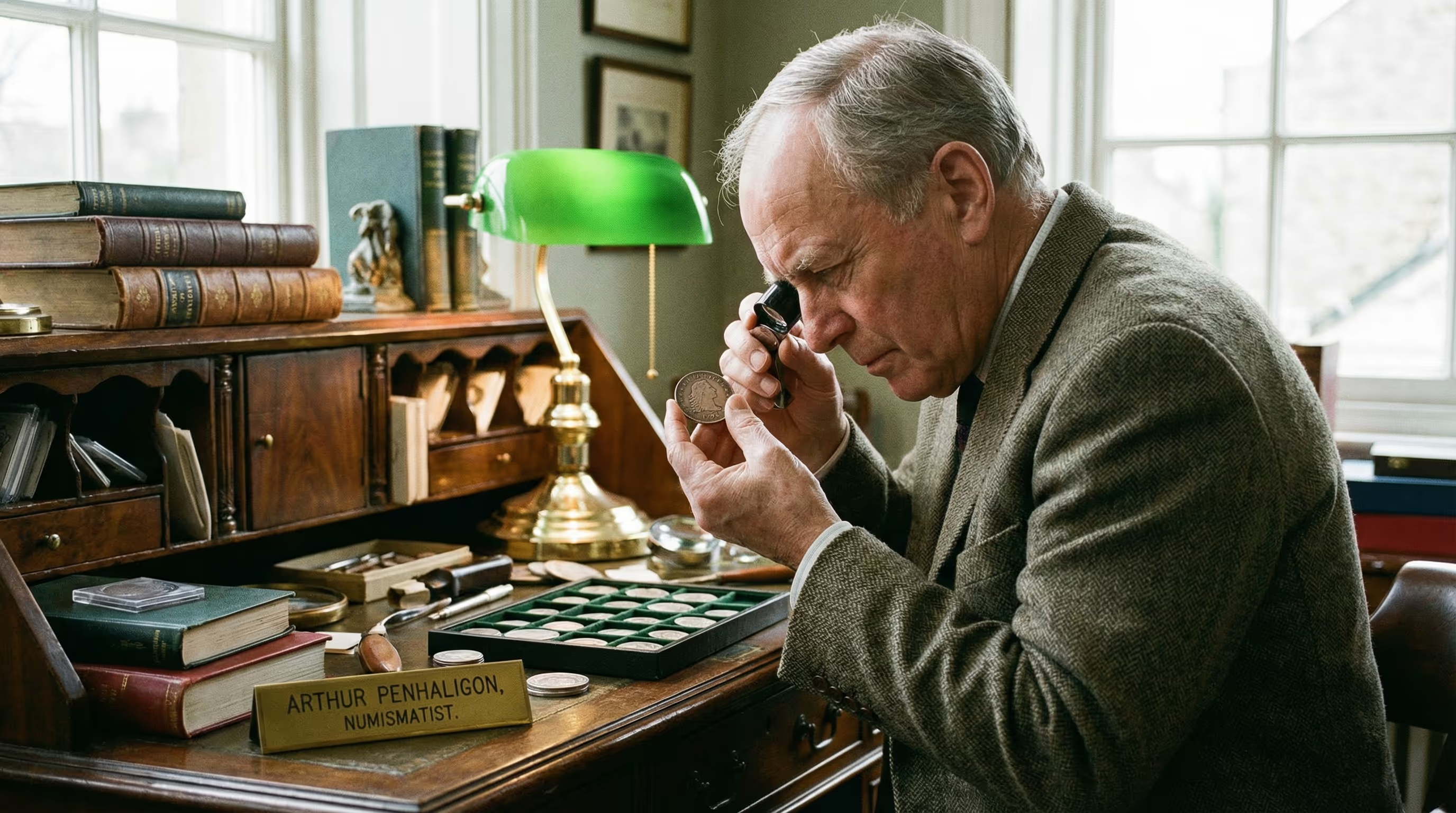
During the examination phase, appraisers carefully inspect each item, noting condition details, mint marks, dates, and any unique characteristics. They may use specialized equipment like magnifying glasses, scales, and UV lights to authenticate pieces and assess condition accurately. Understanding what to expect when getting your coins appraised helps you prepare properly for this thorough examination, which distinguishes professional appraisals from quick estimates.
Research follows the physical examination. Appraisers consult current market data, auction records, and price guides to establish values. They consider recent sales of comparable items, adjusting for condition differences and market trends. This research-based approach ensures valuations reflect current market realities rather than outdated information.
The final step involves preparing a comprehensive written report. Quality appraisal reports include detailed descriptions of each item, high-resolution photographs, and clear value statements. These reports serve as official documentation for insurance companies, courts, and tax authorities.
Professional coin and currency appraisals provide essential documentation for protecting and managing valuable collections. Whether you need insurance coverage, estate planning assistance, or selling guidance, working with qualified appraisers ensures you have accurate, defensible valuations. Knowing how to properly prepare for a coin appraisal and understanding the different types of coin appraisals available helps maximize the investment in professional appraisal services, which often pays for itself through proper insurance coverage, fair estate settlements, or informed selling decisions.
AppraiseItNow connects you with certified appraisers nationwide who specialize in coins and currency. Our USPAP-compliant reports are accepted by major insurance companies, courts, and government agencies, giving you confidence in your collection's documented value.
Professional coin appraisal costs vary based on collection size and complexity. Basic consultations may range from $100-300, while comprehensive USPAP-compliant reports for insurance or estate purposes typically cost $300-800 or more for extensive collections. Third-party grading services like NGC or PCGS charge additional fees of $20-100+ per coin for certification, but this investment often pays for itself through proper insurance coverage or informed selling decisions.
Never clean your coins before an appraisal. Cleaning removes the natural patina and can significantly reduce value, sometimes by 50% or more. Handle coins only by their edges, keep them in protective holders if possible, and present them exactly as-is to the appraiser. Professional appraisers are trained to evaluate coins in their current condition and factor any cleaning or damage into their assessment.
A professional appraisal provides a comprehensive written report that meets USPAP standards and is legally defensible for insurance, estate, or tax purposes. It includes detailed documentation, photographs, and methodology. A coin dealer's estimate is typically verbal, quick, and focused on immediate buying/selling rather than official valuation. For insurance claims, estate settlements, or charitable donations over $5,000, only certified appraisals are accepted.
Coin collections should be reappraised every 3-5 years to account for market fluctuations and changing values. You should also consider getting updated appraisals after major life events like inheritance, significant additions to your collection, or if you notice substantial changes in coin market prices. Regular appraisals ensure your insurance coverage remains adequate and help you make informed decisions about your collection's management.