Picture this: your chemical plant suffers a fire, and when you file the insurance claim, your insurer disputes the equipment values because your last appraisal was eight years old. What seemed like a manageable loss suddenly becomes a financial nightmare, with settlement amounts falling far short of replacement costs.
If you manage a chemical plant, processing facility, or industrial operation, you understand that your equipment represents millions in capital investment. Yet many facilities operate with outdated or missing equipment valuations, creating hidden risks that can surface during the worst possible moments.
Regular chemical equipment appraisals provide accurate, defensible valuations that protect your insurance coverage, support financing decisions, and ensure compliance with regulatory requirements. They're not just paperwork exercises but strategic tools that safeguard your operations and financial position.
Quick Answer: Chemical equipment should typically be appraised every 3-5 years for critical assets, with additional appraisals triggered by major expansions, refinancing, or significant market changes. Professional appraisals ensure accurate insurance coverage and support key business decisions.
In this guide, you'll learn what chemical equipment appraisals involve, which assets need regular evaluation, how the process works, and how to build an appraisal schedule that protects your investment while supporting your business goals.
Chemical equipment appraisals go far beyond simple depreciation calculations. They're specialized evaluations that consider the unique challenges of chemical processing environments, including corrosion resistance, safety systems, environmental compliance, and process-specific modifications.
A qualified appraiser examines your equipment's physical condition, remaining useful life, and current market demand. They also evaluate technological obsolescence, regulatory compliance status, and the availability of replacement parts or services. This comprehensive approach ensures your valuations reflect real-world conditions rather than theoretical book values.
The appraisal process typically covers three main value types. Fair market value represents what equipment would sell for between willing parties in the open market. Replacement cost new reflects the expense of purchasing equivalent new equipment with similar functionality. Orderly liquidation value estimates proceeds from a planned sale with reasonable marketing time.
Different situations require different value types. Insurance coverage typically relies on replacement cost, while lending decisions often focus on fair market value or orderly liquidation value depending on the loan structure. Understanding the value of chemical equipment is crucial for making informed business decisions.
Not every piece of equipment requires the same appraisal frequency, but certain categories demand regular professional evaluation due to their value, complexity, or critical role in operations.
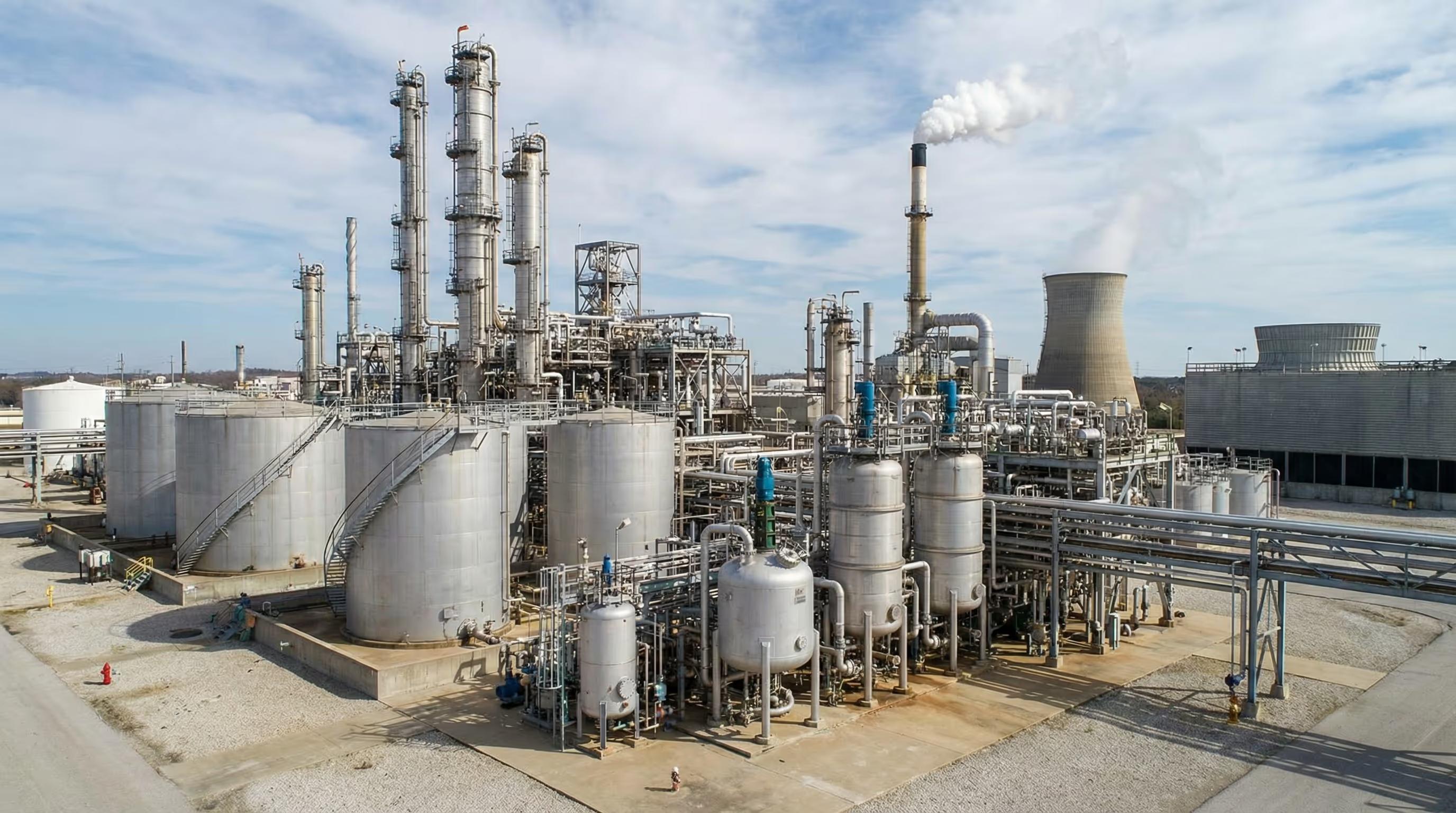
Process equipment forms the backbone of most chemical operations and typically represents your highest-value assets. This includes reactors, distillation columns, heat exchangers, pumps, and specialized vessels. These items often feature custom designs, exotic materials, or process-specific modifications that make accurate valuation challenging without professional expertise.
Laboratory and quality control equipment deserves attention because it often incorporates rapidly evolving technology. Analytical instruments, testing equipment, and measurement devices can become obsolete quickly, making regular valuation updates essential for accurate financial reporting and insurance coverage. If you're looking to understand laboratory equipment appraisal, these specialized assets require particular attention.
Support systems like storage tanks, utilities infrastructure, and material handling equipment may seem straightforward, but they often require specialized installation or feature custom modifications that affect their value significantly.
Key Insight: Custom-built or modified equipment typically requires more frequent appraisal attention because standard depreciation schedules don't account for unique design features or specialized applications that affect market value.
The complexity and interconnected nature of chemical processing systems mean that individual equipment values can't be determined in isolation. Professional appraisers understand these relationships and evaluate equipment within the context of your overall operation.
Understanding the appraisal process helps you prepare effectively and ensures you get maximum value from the engagement. Most professional appraisals follow a structured approach that combines data gathering, physical inspection, market research, and valuation analysis.
The process begins with pre-appraisal planning where you'll provide asset lists, equipment specifications, maintenance records, and any available drawings or documentation. This preparation phase is crucial because complete information leads to more accurate valuations and can reduce onsite inspection time. Before beginning, consider reviewing 5 questions to ask before having your chemical equipment appraised to ensure you're fully prepared.
Physical inspection comes next, though the extent varies based on equipment accessibility, safety requirements, and appraisal scope. Appraisers examine equipment condition, identify modifications or upgrades, document serial numbers and specifications, and assess overall maintenance quality. Some evaluations can be completed through desktop analysis using provided documentation and photographs.
Market research and analysis represent the technical heart of the appraisal process. Professional appraisers maintain databases of equipment sales, understand industry trends, and track technological developments that affect equipment values. They consider factors like manufacturing capacity, supply chain conditions, and regulatory changes that influence market demand.
The final report provides detailed findings, methodology explanations, and supporting documentation. Quality reports include individual equipment descriptions, valuation approaches used, market data references, and clear statements of assumptions and limiting conditions. To ensure accuracy, follow 7 steps to obtain an accurate chemical equipment appraisal.

Chemical equipment values respond to multiple factors that interact in complex ways. Understanding these drivers helps you anticipate value changes and make better timing decisions for appraisals and equipment decisions.
Age and condition represent obvious factors, but they're not always the primary drivers. Well-maintained older equipment can retain significant value, while newer equipment may depreciate rapidly if it becomes technologically obsolete. Maintenance history, upgrade records, and operational documentation all influence condition assessments.
Technology and automation levels increasingly affect equipment values as the industry moves toward more sophisticated control systems and data integration. Equipment with modern controls, safety systems, and connectivity features typically maintains value better than older mechanical systems.
Regulatory compliance creates both opportunities and risks for equipment values. Equipment that meets current environmental, safety, and quality standards maintains stronger market demand. Conversely, equipment requiring expensive modifications to meet new regulations may face significant value impairment. The impact of tax laws on chemical equipment appraisals can also significantly affect your bottom line.
Market conditions in the chemical industry affect equipment demand and pricing. Economic cycles, capacity utilization, and industry-specific trends all influence what buyers are willing to pay for used equipment.
FactorImpact on ValueTypical Frequency of ChangePhysical conditionHighGradual over yearsTechnology levelHighRapid in some categoriesRegulatory complianceMedium to HighChanges with new regulationsMarket demandMediumCyclical with industry conditions
Regular chemical equipment appraisals deliver multiple benefits that typically far exceed their cost, particularly when you consider the financial risks they help avoid.
Insurance accuracy represents perhaps the most immediate benefit. Underinsurance can leave you facing significant out-of-pocket costs after a loss, while overinsurance means you're paying unnecessary premiums. Regular appraisals ensure your coverage matches your actual replacement costs and provide documentation that insurers accept without lengthy disputes.
Financial planning and budgeting improve significantly when you have current equipment values. Accurate depreciation schedules, replacement timing decisions, and capital expenditure planning all depend on understanding your assets' current worth and remaining useful life. This information helps you avoid surprise equipment failures and plan replacements strategically.
Lending and financing decisions often require current equipment valuations, particularly for asset-based lending or refinancing situations. Banks and other lenders want confidence in collateral values, and professional appraisals provide the documentation they need to approve credit facilities or negotiate favorable terms.
Financial Reality: Studies show that facilities with current equipment appraisals resolve insurance claims 40% faster on average and experience fewer valuation disputes during financing negotiations.
Merger and acquisition scenarios benefit enormously from current equipment valuations. Whether you're buying, selling, or considering partnership opportunities, accurate asset values provide negotiating strength and help ensure fair transaction pricing.
Risk management extends beyond insurance to include operational planning. Appraisals often identify maintenance needs, obsolescence risks, or compliance issues that require attention before they become expensive problems.
The costs of skipping regular appraisals often remain hidden until a crisis forces them into the open. Understanding these risks helps justify the investment in professional valuations.
Insurance coverage gaps represent the most immediate financial risk. When equipment values increase due to inflation, technological improvements, or market conditions, your coverage may fall behind actual replacement costs. The gap between your coverage and true replacement cost comes directly from your pocket during a claim.
Compliance and audit issues can surface when outdated valuations don't reflect current regulatory requirements or accounting standards. Financial auditors, regulatory inspectors, and lenders all expect current, defensible asset values. Outdated appraisals can trigger additional scrutiny, compliance costs, or financing complications.
Unexpected asset impairments can shock financial statements when equipment values decline due to technological obsolescence, regulatory changes, or market conditions. Regular appraisals help identify these issues early, allowing for planned write-downs rather than surprise adjustments.
Operational risks emerge when you don't understand your equipment's current condition and remaining useful life. This can lead to unexpected failures, emergency replacements, or safety issues that could have been anticipated with regular professional evaluation. Avoid the 5 most common mistakes when appraising chemical equipment to protect your investment.

Creating an effective appraisal schedule requires balancing cost, risk, and business needs. Different equipment categories and business situations call for different approaches.
Most critical process equipment benefits from appraisal every 3-5 years under normal circumstances. This interval captures significant value changes while spreading appraisal costs over reasonable periods. High-value or rapidly evolving equipment may need more frequent attention.
Certain events should trigger out-of-cycle appraisals regardless of your regular schedule. Major facility expansions, significant equipment additions or modifications, refinancing activities, and merger or acquisition discussions all benefit from current valuations. Insurance policy renewals, particularly after significant rate changes, may also warrant updated appraisals.
Building appraisal schedules into your asset management program helps ensure consistency and budget predictability. Many facilities find success scheduling appraisals during planned maintenance shutdowns when equipment is more accessible and operational disruption is minimized.
Consider staggering appraisals across different equipment categories to spread costs and workload. This approach also helps you develop relationships with qualified appraisers and understand how your equipment values change over time. Similar to appraising industrial equipment, chemical equipment requires strategic scheduling.
When you're ready to protect your chemical equipment investments with professional appraisals, AppraiseItNow offers the expertise and credentials you need. Our USPAP-compliant appraisals are accepted by insurance companies, lenders, and regulatory agencies nationwide.
Our process begins with understanding your specific needs, whether for insurance, financing, compliance, or transaction support. We work with your schedule to minimize operational disruption while ensuring thorough evaluation of your equipment. Understanding the role of the appraiser in chemical equipment appraisals helps you appreciate the expertise required.
You can expect detailed reports that clearly explain our methodology, provide supporting market data, and include the documentation you need for your intended use. Our appraisers understand chemical processing equipment and the unique factors that affect values in your industry.
Regular chemical equipment appraisals represent insurance for your insurance, providing the documentation and peace of mind that comes from knowing your assets are properly valued and protected. The investment in professional appraisals typically pays for itself many times over through improved insurance accuracy, better financial planning, and reduced risk exposure.
Chemical equipment should typically be appraised every 3-5 years for critical assets under normal circumstances. However, certain events should trigger out-of-cycle appraisals, including major facility expansions, significant equipment modifications, refinancing activities, insurance policy renewals, or merger and acquisition discussions. High-value or rapidly evolving equipment may need more frequent attention to ensure accurate valuations.
Process equipment like reactors, distillation columns, heat exchangers, and specialized vessels typically require regular appraisals due to their high value and custom designs. Laboratory and quality control equipment, including analytical instruments and testing devices, also need frequent evaluation because they incorporate rapidly evolving technology. Support systems such as storage tanks, utilities infrastructure, and material handling equipment should be included, especially if they feature custom modifications.
Regular chemical equipment appraisals ensure your insurance coverage matches actual replacement costs, preventing both underinsurance and overpayment of premiums. They provide documentation that insurers accept without lengthy disputes, helping resolve claims 40% faster on average. Accurate appraisals also help avoid significant out-of-pocket costs when equipment values increase due to inflation, technological improvements, or market conditions.
Skipping regular appraisals can lead to insurance coverage gaps where your coverage falls behind actual replacement costs, leaving you responsible for the difference during a claim. Other risks include compliance and audit issues when outdated valuations don't meet regulatory or accounting standards, unexpected asset impairments that shock financial statements, and operational risks from not understanding equipment condition and remaining useful life, potentially leading to unexpected failures or safety issues.