Chemical Equipment Appraisal: What Appraisers Do and How They Determine Value

Last Updated on Sep 16, 2025
Originally Published on Sep 16, 2025
Thank you! Your submission has been received!
Oops! Something went wrong while submitting the form.
Nationwide Service
Onsite or Online
USPAP-Compliant
IRS Qualified
DEFENSIBLE, USPAP-COMPLIANT APPRAISAL REPORTS — ACCEPTED BY 10,000+ ORGANIZATIONS
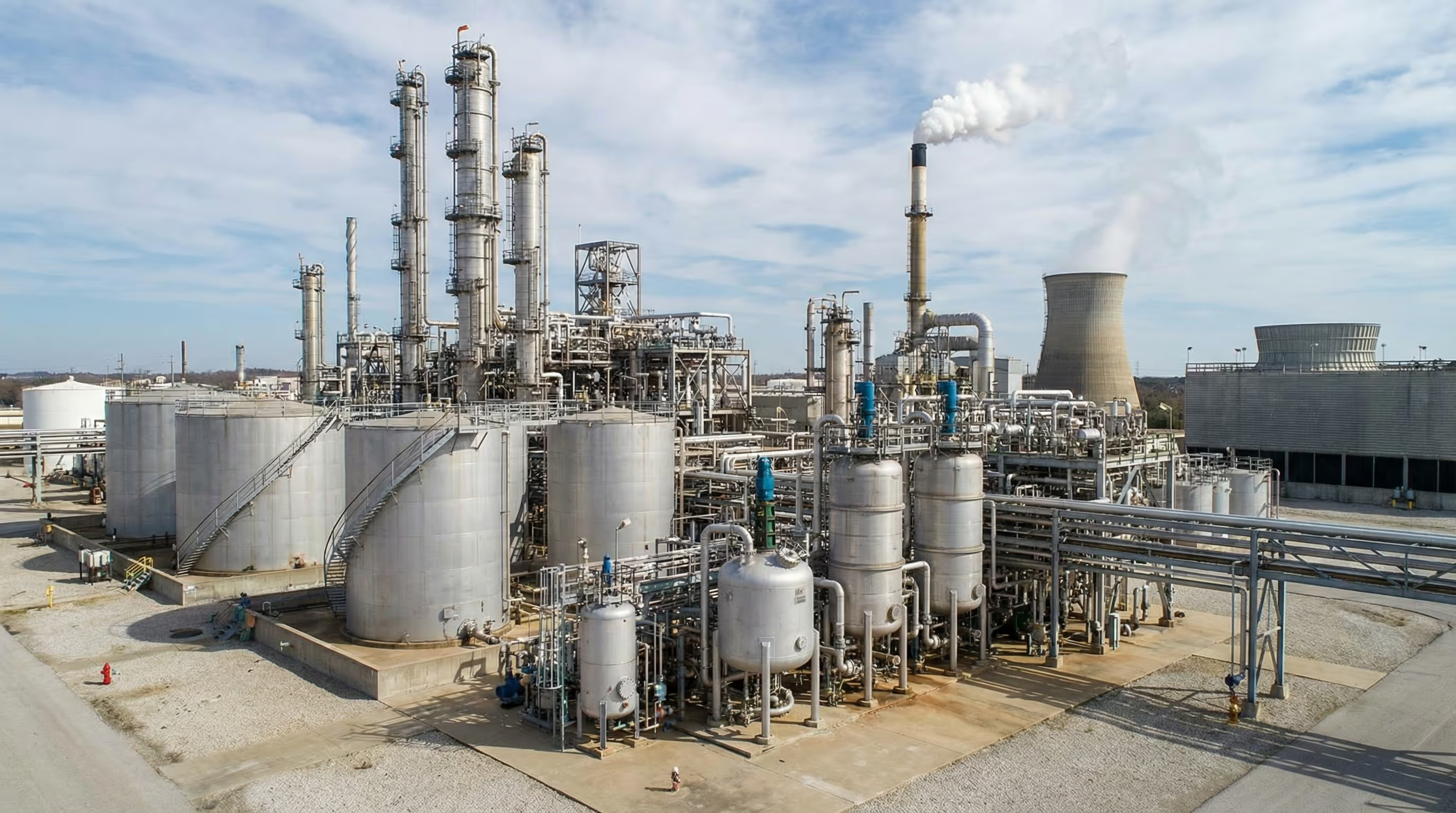
Chemical plant with industrial equipment including reactors, distillation columns, and piping systems

When your bank requests an equipment appraisal for a loan renewal or your insurance company needs documentation after equipment damage, you need more than a rough estimate. Chemical equipment appraisals require specialized expertise because process equipment involves complex systems, safety regulations, and volatile markets that make generic valuations unreliable.

A chemical equipment appraisal is an independent, USPAP-compliant professional opinion of value for process equipment like reactors, distillation columns, tanks, and control systems. Unlike general machinery appraisals, chemical equipment valuations must account for specialized processes, environmental compliance, and safety standards that significantly impact value.

Quick Answer: Chemical equipment appraisers provide defensible valuations by combining engineering expertise with market knowledge to determine fair market value, orderly liquidation value, or other value standards needed for financing, insurance, tax reporting, and business decisions.

Here's what you'll learn: the specific role chemical equipment appraisers play in the valuation process, how they determine equipment values using proven methodologies, what qualifications distinguish qualified appraisers, and how to prepare for an appraisal that meets your business needs.

Why chemical equipment appraisals matter for your business

Chemical equipment appraisals serve critical business functions that go far beyond simple asset tracking. When you need financing for plant expansion, your lender requires defensible equipment values to secure the loan. Insurance companies use appraisals to set coverage limits and process claims accurately after equipment damage or breakdown.

For financial reporting, publicly traded companies must comply with accounting standards that require periodic equipment revaluations. During mergers, acquisitions, or plant sales, accurate equipment values ensure fair negotiations and proper due diligence. Tax authorities may request appraisal support during audits, especially for depreciation schedules or asset dispositions.

Professional appraiser in safety gear inspecting large industrial chemical reactor

The risks of inadequate appraisals are substantial. Under-insurance leaves you exposed to major losses when equipment fails. Over-valued assets can result in excessive tax burdens or inflated financial statements. In litigation or divorce proceedings, unsupported valuations may not withstand legal scrutiny.

Chemical equipment presents unique valuation challenges because specialized process equipment often has limited resale markets, rapid technological obsolescence, and strict regulatory requirements that affect value. Generic auction prices or book values rarely reflect true market conditions for complex chemical processing systems. Understanding the benefits of regular chemical equipment appraisals helps protect your business from these risks.

The role of the chemical equipment appraiser

Chemical equipment appraisers provide independent, unbiased opinions of value that can withstand scrutiny from lenders, insurers, tax authorities, and courts. Their primary responsibility is delivering USPAP-compliant appraisal reports that meet professional standards and client requirements.

Before the inspection, appraisers work with you to define the appraisal's purpose and scope. They determine which value standard applies to your situation, whether fair market value for financing, replacement cost for insurance, or orderly liquidation value for asset sales. This initial consultation ensures the appraisal meets your specific needs.

During the on-site inspection, qualified appraisers examine equipment condition, review maintenance records, and document specifications. They understand chemical processes well enough to assess how equipment condition affects operational capability and market value. Safety knowledge is essential since appraisers must navigate chemical plants while following all safety protocols.

Key Insight: Experienced chemical equipment appraisers combine engineering expertise with market knowledge, understanding both the technical aspects of process equipment and current industry conditions that affect values.

After inspection, appraisers research market data, apply appropriate valuation methods, and prepare comprehensive reports. They can explain their findings to stakeholders and answer questions about methodology, assumptions, and conclusions. This expertise proves invaluable when appraisals face review by auditors, attorneys, or regulatory agencies. For those new to the process, learning what to expect during a chemical equipment appraisal can help you prepare effectively.

How appraisers determine chemical equipment value

Chemical equipment appraisers use three primary valuation approaches, often combining methods to reach reliable conclusions. The cost approach calculates what it would cost to replace equipment with new items of similar utility, then adjusts for physical deterioration, functional obsolescence, and economic obsolescence.

For a chemical reactor, the cost approach considers current replacement costs for similar capacity and specifications, then reduces value based on age, condition, and technological improvements in newer models. This approach works well for specialized equipment with limited resale markets.

The market approach compares your equipment to recent sales of similar items, adjusting for differences in age, condition, capacity, and market conditions. While chemical equipment sales data can be limited, experienced appraisers maintain databases of comparable transactions and understand market trends affecting different equipment types.

The income approach estimates value based on the equipment's ability to generate cash flow. This method applies when equipment directly contributes to measurable revenue streams. For example, a distillation column's value might be calculated based on its contribution to product output and profitability.

ApproachBest Used ForStrengthsLimitationsCostSpecialized/unique equipmentReliable for newer assetsMay overstate value for older equipmentMarketStandard equipment typesReflects actual buyer behaviorLimited sales data for specialized itemsIncomeRevenue-generating assetsTies value to economic benefitRequires detailed financial analysis

Value standards also vary by purpose. Fair market value assumes willing buyers and sellers with reasonable market exposure. Orderly liquidation value reflects prices achievable through organized sales with adequate marketing time. Forced liquidation value represents quick-sale scenarios with limited marketing. To ensure accuracy, it's important to avoid the 5 most common mistakes when appraising chemical equipment.

What's included in a chemical equipment appraisal report

Professional chemical equipment appraisal reports contain specific sections designed to meet USPAP standards and stakeholder requirements. The executive summary provides key findings, including total values and important assumptions. Equipment descriptions detail make, model, serial numbers, specifications, and observed condition for each appraised item.

Methodology sections explain which valuation approaches were used and why they're appropriate for the specific equipment and purpose. Market data sections present comparable sales, cost information, or income data supporting the value conclusions. High-quality photographs document equipment condition and help readers understand the appraised assets.

Professional appraisal report pages showing equipment photos, data tables, and valuation analysis

Assumptions and limiting conditions clarify the appraisal's scope and any factors that might affect conclusions. The appraiser's certification and qualifications section establishes credibility and professional standards compliance. Supporting exhibits might include equipment specifications, market research, or additional documentation relevant to the valuation.

Complete reports are designed to withstand scrutiny from auditors, lenders, insurers, or courts. They provide sufficient detail and support for readers to understand the appraiser's reasoning and conclusions. Electronic reports offer easy sharing and archiving, while printed reports provide formal documentation for legal proceedings. For a comprehensive overview, review understanding the value of chemical equipment through this appraisal guide.

Qualifications chemical equipment appraisers should have

Qualified chemical equipment appraisers hold professional designations from recognized organizations like the American Society of Appraisers (ASA) or American Machinery and Equipment Appraisers (AMEA). These credentials require extensive education, experience, and ongoing professional development in machinery and equipment valuation.

Technical expertise distinguishes qualified chemical equipment appraisers from general machinery appraisers. They should understand chemical processes, equipment functions, and industry-specific factors affecting value. Many qualified appraisers have engineering backgrounds or extensive experience in chemical manufacturing.

Professional Tip: Ask prospective appraisers about their specific experience with your equipment types, their professional designations, and whether they carry errors and omissions insurance to protect against potential liability.

Safety and regulatory knowledge is essential since chemical plants involve hazardous materials and strict compliance requirements. Qualified appraisers understand how environmental regulations, safety standards, and code compliance affect equipment value and marketability.

When selecting an appraiser, ask about their credentials, experience with similar equipment, and familiarity with your industry. Request sample reports to evaluate quality and completeness. Verify their professional liability insurance and check references from recent clients with similar appraisal needs. Before making your decision, consider what to look for when comparing chemical equipment appraisers.

The appraisal process typically takes two to four weeks depending on equipment complexity, plant size, and documentation availability. Simple assignments with well-documented equipment may be completed faster, while comprehensive plant appraisals or specialized equipment may require additional time for research and analysis.

Preparation helps ensure accurate, timely results. Compile detailed equipment lists including descriptions, specifications, and serial numbers. Gather maintenance records, previous appraisals, and purchase documentation. Arrange safe plant access and assign knowledgeable staff to guide the appraiser during inspection. Following 7 steps to obtain an accurate chemical equipment appraisal can streamline the entire process.

Most chemical equipment should be reappraised every three to five years for insurance purposes, though specific intervals depend on your industry, equipment types, and business needs. Major plant modifications, market changes, or damage events may trigger earlier reappraisals to ensure accurate values.

Chemical equipment appraisals provide the foundation for sound business decisions involving significant capital assets. Choosing an experienced, credentialed appraiser ensures you receive defensible valuations that protect your interests and meet stakeholder requirements. At AppraiseItNow, our USPAP-compliant appraisals are accepted by the IRS, courts, and major financial institutions nationwide. Contact us to discuss your chemical equipment appraisal needs and ensure your valuable assets are properly valued and protected.

Frequently Asked Questions

How much does a chemical equipment appraisal cost?

The cost of a chemical equipment appraisal depends on the number of assets, their complexity, the quality of available data, and the need for travel or multiple site visits. Appraisers may charge a flat project fee or hourly rate. Complex chemical plants typically require more time and a higher budget than smaller equipment sets.

How long does a chemical equipment appraisal take?

Most straightforward chemical equipment appraisals take from several days to a few weeks, depending on the scope, number of assets, and how quickly records and site access are provided. Large plants, multi-location portfolios, or assignments requiring extensive research may take longer.

Which valuation methods are used to appraise chemical equipment?

Appraisers commonly use three methods: the cost approach (replacement cost new minus depreciation), the market approach (comparing to recent sales of similar equipment), and, in some cases, the income approach (based on income generated by the equipment). The appraiser selects and reconciles these methods based on the assignment and data available.

Do chemical equipment appraisers need to be certified?

There is no single mandatory license for chemical equipment appraisers, but most credible professionals hold accreditation from organizations such as the American Society of Appraisers and complete USPAP training. These credentials demonstrate technical competence, adherence to ethical standards, and acceptance by banks, courts, and tax authorities.

Related Appraisals We Offer

Related Articles

BEST-IN-CLASS APPRAISERS, CREDENTIALED BY: