Cannabis Equipment Appraisals: How to Accurately Value Your Grow and Extraction Assets

Last Updated on Aug 18, 2025
Originally Published on Aug 18, 2025
Thank you! Your submission has been received!
Oops! Something went wrong while submitting the form.
Nationwide Service
Onsite or Online
USPAP-Compliant
IRS Qualified
DEFENSIBLE, USPAP-COMPLIANT APPRAISAL REPORTS — ACCEPTED BY 10,000+ ORGANIZATIONS
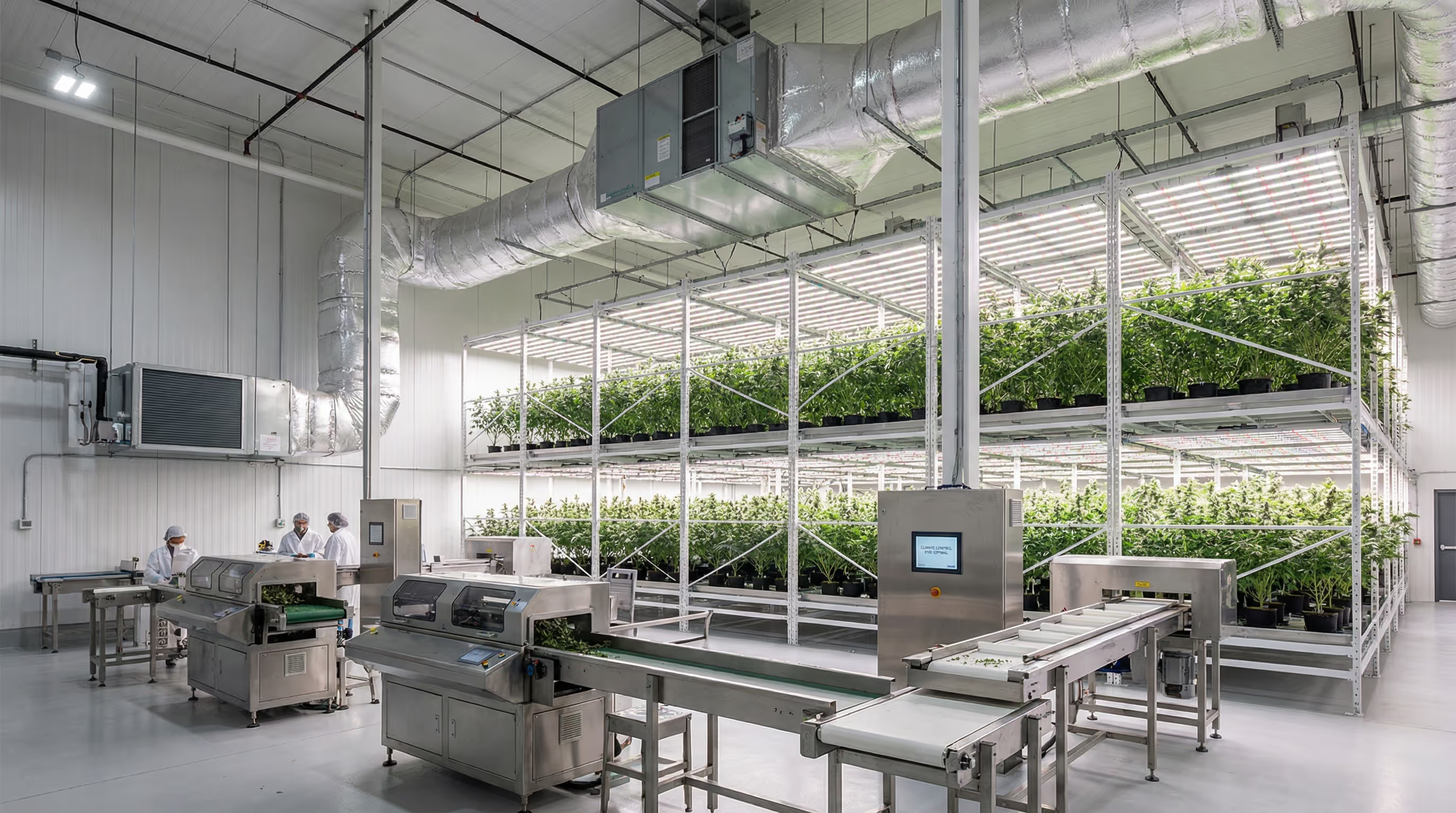
Cannabis cultivation equipment in modern facility with LED lights and extraction systems

If you own cultivation, extraction, or processing equipment, relying on guesses or vendor quotes can leave you underinsured and exposed when filing claims, refinancing, or selling your business. Cannabis equipment appraisals provide defensible, market-based valuations that protect your investment and support critical business decisions.

Whether you're a grower, extractor, processor, dispensary owner, or investor, accurate equipment valuations are essential for insurance coverage, financing approvals, and transaction negotiations. Professional appraisals deliver the documentation you need to prove value to insurers, lenders, and buyers while ensuring compliance with regulatory requirements.

Quick Fact: Cannabis equipment can depreciate 15-25% annually, making regular professional appraisals crucial for maintaining adequate insurance coverage and accurate financial records.

In this guide, you'll learn when you need professional appraisals, what factors determine equipment value, how the appraisal process works, and how to choose qualified appraisers who understand cannabis industry regulations and equipment specifications.

What is a cannabis equipment appraisal

A cannabis equipment appraisal is a professional assessment that determines the fair market value of cultivation, extraction, and processing equipment based on current market conditions, equipment condition, and industry standards. Unlike vendor quotes or internal estimates, professional appraisals follow standardized methodologies and provide defensible documentation accepted by courts, insurers, and financial institutions.

Professional appraisers evaluate multiple types of value depending on your specific needs. Fair market value represents what equipment would sell for between willing buyers and sellers in an open market. Orderly liquidation value estimates proceeds from a planned sale with reasonable marketing time. Forced liquidation value reflects quick-sale scenarios like bankruptcy auctions.

Professional appraiser inspecting cannabis extraction equipment with clipboard and measuring tools

Replacement cost new calculates what you'd pay to replace equipment with similar functionality, while insurable value determines appropriate coverage limits for insurance policies. Each value type serves different purposes, from insurance applications to loan collateral assessments.

The key difference between professional appraisals and casual valuations lies in methodology, independence, and credibility. Professional appraisers follow Uniform Standards of Professional Appraisal Practice (USPAP) guidelines, maintain independence from transactions, and provide detailed reports that withstand scrutiny from third parties.

When you need a cannabis equipment appraisal

Insurance coverage represents the most common reason for equipment appraisals. Standard business policies often include sub-limits for specialized equipment, potentially leaving you underinsured if your extraction systems or cultivation infrastructure exceed these limits. Accurate appraisals ensure proper coverage limits and support claim settlements when equipment is damaged or stolen.

Financing and refinancing scenarios require appraisals to establish collateral value for lenders. Banks and alternative lenders need independent valuations to assess risk and determine loan amounts. Whether you're securing equipment financing, expanding operations, or refinancing existing debt, professional appraisals strengthen your position with financial institutions.

Business transactions involving equipment sales, acquisitions, or partnership changes benefit from professional valuations. Buyers and sellers need objective assessments to negotiate fair prices, while partners require accurate values for buyout calculations or equity distributions.

Important Note: Many cannabis businesses discover they're significantly underinsured only after filing claims, often receiving settlements far below actual replacement costs due to outdated or inadequate valuations.

Legal disputes, divorce proceedings, and estate planning situations require defensible valuations that can withstand court scrutiny. Tax compliance, including depreciation calculations and gift or estate tax filings, also relies on professional appraisals to satisfy IRS requirements and support deduction claims.

Key factors that determine cannabis equipment value

Equipment age and condition significantly impact value, with newer, well-maintained systems commanding premium prices. LED grow lights with minimal operating hours retain more value than systems approaching end-of-life specifications. Extraction equipment with complete maintenance records and recent calibrations typically appraises higher than units with unknown service histories.

Brand reputation and technology level influence market demand and resale values. Established manufacturers like Apeks, Eden Labs, or Fluence often maintain stronger resale markets compared to lesser-known brands. Advanced features like automated controls, energy efficiency ratings, and throughput capacity directly affect equipment desirability and pricing.

Regulatory compliance represents a critical factor in cannabis equipment valuation. Equipment meeting current safety codes, explosion-proof ratings, and state-specific requirements commands higher values than non-compliant systems. As regulations evolve, older equipment may require costly upgrades or face obsolescence, impacting long-term value retention.

Market demand varies by equipment type and geographic location. Extraction equipment often maintains stronger resale markets than cultivation systems due to higher initial costs and specialized applications. Regional factors like licensing availability, market maturity, and local regulations also influence equipment demand and pricing in specific markets.

The cannabis equipment appraisal process

The appraisal process begins with defining scope and purpose, whether for insurance, financing, legal proceedings, or transaction support. Appraisers gather preliminary information about equipment types, quantities, locations, and intended use of the valuation to establish appropriate methodologies and value definitions.

Documentation collection involves compiling purchase invoices, installation records, maintenance logs, and equipment specifications. Serial numbers, model information, and any modifications or upgrades help appraisers research comparable sales and replacement costs. Complete documentation streamlines the process and improves valuation accuracy.

Physical inspection allows appraisers to assess actual condition, verify specifications, and document equipment through photographs. Some appraisals can be completed through virtual inspections using detailed photos and video walkthroughs, particularly for routine insurance updates or preliminary valuations.

Detailed appraisal report pages showing equipment photos, specifications and valuation calculations

Market research and analysis involve comparing similar equipment sales, analyzing current pricing trends, and evaluating replacement costs from manufacturers and dealers. Appraisers consider multiple valuation approaches to arrive at well-supported conclusions that reflect current market conditions.

Report preparation and delivery typically takes 5-10 business days for standard assignments, with rush services available for urgent needs. Professional reports include detailed equipment descriptions, photographs, market analysis, and clear value conclusions with supporting rationale that satisfies third-party requirements.

Choosing the right cannabis equipment appraiser

Professional credentials ensure appraisers follow industry standards and maintain competency through continuing education. Look for designations from recognized organizations like the American Society of Appraisers (ASA), International Society of Appraisers (ISA), or American Association of Equipment Appraisers (AAEA). USPAP compliance and IRS qualification are essential for most applications.

Cannabis industry experience matters significantly when valuing specialized equipment. Appraisers familiar with cultivation systems, extraction processes, and regulatory requirements provide more accurate assessments than generalists unfamiliar with cannabis operations. Ask about previous cannabis assignments and knowledge of industry-specific equipment.

CredentialWhat It MeansWhy It MattersUSPAP CompliantFollows federal appraisal standardsRequired for court, IRS, and most lender acceptanceASA/ISA DesignationProfessional society membershipIndicates ongoing education and ethical standardsCannabis ExperienceIndustry-specific knowledgeBetter understanding of equipment and market conditionsIRS QualifiedMeets federal tax requirementsNecessary for tax-related valuations and deductions

Independence from equipment sales or business interests ensures objective valuations free from conflicts of interest. Professional appraisers maintain arms-length relationships with clients and equipment vendors to preserve credibility and defend their conclusions if challenged.

References from previous clients, particularly those in similar situations, provide insight into appraiser reliability and report quality. Ask for sample reports (with confidential information redacted) to evaluate thoroughness and presentation quality before making your selection.

Professional cannabis equipment appraisals protect your investment by providing accurate, defensible valuations for insurance, financing, and business decisions. Working with qualified appraisers who understand cannabis industry requirements ensures you receive reliable assessments that support your operational and financial objectives.

Whether you need insurance coverage verification, financing support, or transaction assistance, AppraiseItNow delivers USPAP-compliant appraisals accepted by courts, insurers, and financial institutions nationwide. Our cannabis industry expertise and comprehensive reporting help you make informed decisions with confidence in your equipment valuations.

Frequently Asked Questions About Cannabis Equipment Appraisals

What is a cannabis equipment appraisal and when do I need one?

A cannabis equipment appraisal is a professional assessment that determines the fair market value of cultivation, extraction, and processing equipment based on current market conditions and industry standards. You need one for insurance coverage, financing applications, business transactions, legal disputes, and tax compliance to ensure accurate valuations that protect your investment.

What factors most significantly affect my cannabis equipment's appraised value?

Key factors include equipment age and condition, brand reputation and technology level, regulatory compliance status, market demand in your region, maintenance history, and any modifications or upgrades. Well-maintained equipment from established manufacturers with complete documentation and current compliance certifications typically commands higher values.

How do I choose a qualified cannabis equipment appraiser?

Look for appraisers with professional credentials like ASA, ISA, or AAEA designations, USPAP compliance, and specific cannabis industry experience. Verify they understand cannabis regulations, have completed similar assignments, maintain independence from equipment sales, and can provide references from previous clients in the cannabis industry.

Can cannabis equipment be appraised remotely or do I need an onsite inspection?

Many appraisals can be completed remotely using detailed photos, equipment specifications, and maintenance records, especially for routine insurance updates or well-documented equipment. However, onsite inspections are recommended for complex facilities, high-value assets, disputed valuations, or when physical condition verification is critical for accuracy.

Related Appraisals We Offer

Related Articles

BEST-IN-CLASS APPRAISERS, CREDENTIALED BY: