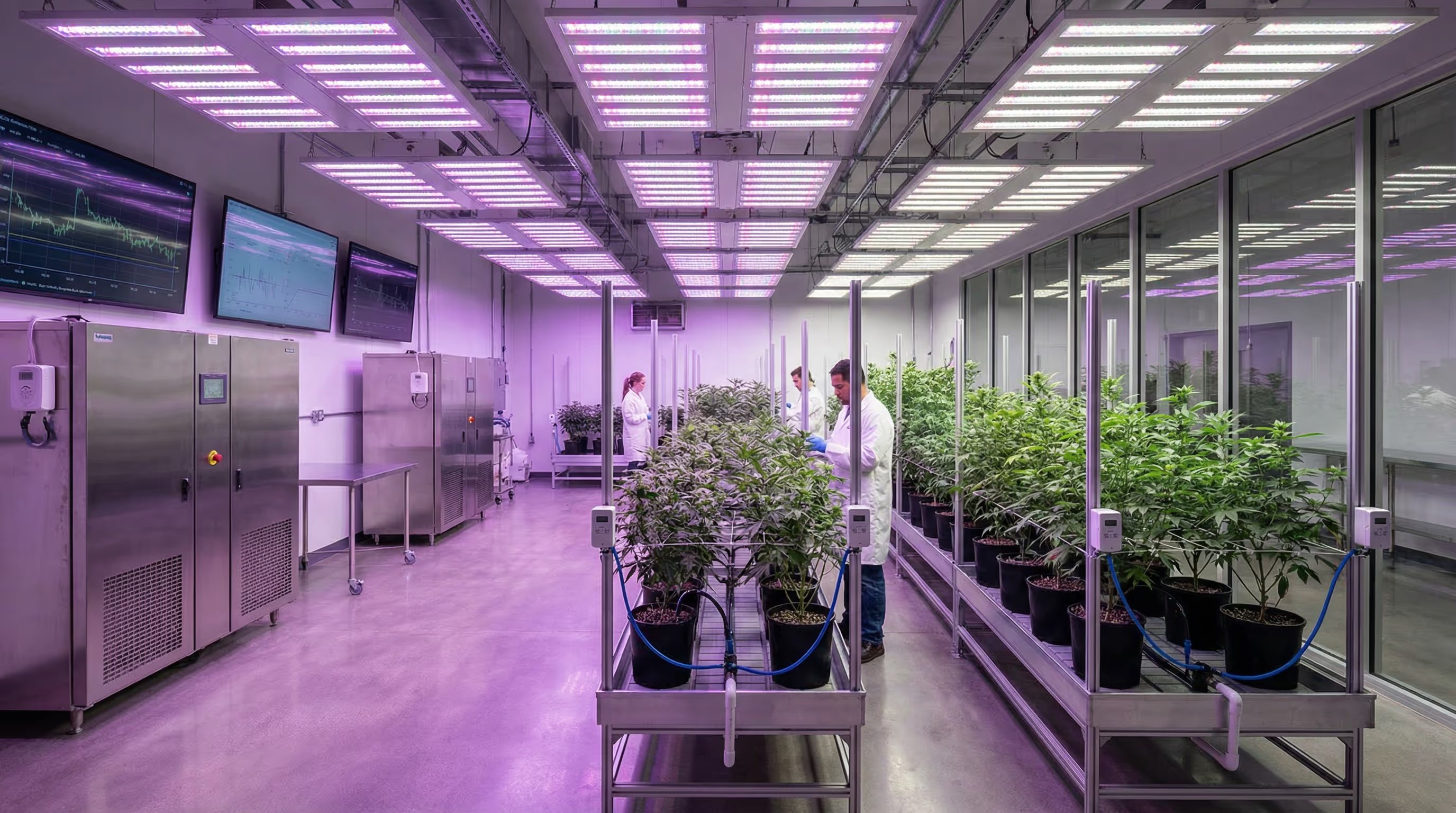
When your cannabis cultivation equipment is worth hundreds of thousands or even millions of dollars, getting the valuation wrong can cost you dearly. Whether you're seeking financing, updating insurance coverage, or preparing for a potential sale, an inaccurate equipment appraisal can lead to denied loans, underpaid insurance claims, or failed compliance audits.
As a cultivator, you're already juggling complex regulations, tight cash flow, and rapidly evolving equipment standards. The last thing you need is uncertainty about what your assets are actually worth. That's where USPAP-compliant cannabis equipment appraisals come in—providing defensible valuations accepted by courts, the IRS, lenders, and insurers nationwide.
Key insight: Cannabis equipment appraisals typically range from $2,500 to $15,000 depending on facility size and complexity, but can save cultivators tens of thousands in proper insurance coverage and loan approvals.
This guide covers everything you need to know about the appraisal process, valuation methods, cost drivers, and how to choose the right appraiser. If you need a defensible appraisal now, you can contact our cannabis equipment appraisal team to get started immediately.
Cannabis equipment appraisals aren't just paperwork—they're financial protection for your business. When you understand the true value of your cultivation assets, you make better decisions about insurance coverage, financing terms, and strategic investments.
Most cultivators need appraisals for four main reasons. First, lenders require current valuations when you're seeking equipment financing or refinancing existing loans. Second, insurance companies need accurate values to set appropriate coverage limits and process claims fairly. Third, if you're considering selling your operation or bringing in investors, potential buyers will want independent valuations. Finally, the IRS may require appraisals for tax purposes, especially during estate planning or business restructuring.
The stakes are high because cannabis equipment depreciates differently than traditional agricultural machinery. Your LED lighting systems, environmental controls, and extraction equipment operate in a specialized market with unique regulatory constraints. A generic equipment appraiser simply won't understand these nuances, potentially leaving you undervalued or overvalued.
A cannabis equipment appraisal is a professional assessment that determines the fair market value of cultivation, processing, and manufacturing equipment used in licensed cannabis operations. This includes everything from grow lights and HVAC systems to extraction machines and packaging equipment.
The appraisal process follows USPAP (Uniform Standards of Professional Appraisal Practice) guidelines, ensuring the report meets legal and financial industry standards. Your appraiser will conduct an on-site inspection, research comparable sales, and apply recognized valuation methods to arrive at a defensible value.
What makes cannabis equipment appraisals unique is the specialized knowledge required. Your appraiser needs to understand cultivation cycles, energy efficiency standards, regulatory compliance requirements, and the secondary market for cannabis equipment. They also need to account for factors like licensing restrictions, zoning limitations, and the rapid pace of technology changes in the industry.
Important note: USPAP-compliant appraisals are required by most lenders, insurers, and courts, making the appraiser's credentials just as important as their cannabis industry experience.
Understanding the appraisal process helps you prepare effectively and ensures you get the most accurate results. Here's how professional cannabis equipment appraisals typically unfold.
Step 1: Defining Purpose and Scope
Your appraiser starts by understanding why you need the appraisal and what specific equipment should be included. Different purposes—like insurance coverage versus loan collateral—may require different valuation approaches.
Step 2: Building Your Asset Inventory
The appraiser creates a comprehensive list of all equipment, including serial numbers, purchase dates, and current condition. This inventory becomes the foundation for the entire valuation.
Step 3: On-Site Inspection
During the facility visit, your appraiser photographs equipment, assesses condition, and documents any modifications or upgrades. They'll also note factors that might affect value, like accessibility for removal or integration with building systems.
Step 4: Market Research and Analysis
The appraiser researches recent sales of comparable equipment, considers market trends, and evaluates supply and demand factors specific to cannabis equipment.
Step 5: Applying Valuation Methods
Using the gathered data, your appraiser applies appropriate valuation approaches to determine fair market value, replacement cost, or other value definitions as needed.

Several factors significantly impact how much your cannabis equipment is worth, and understanding what factors impact cannabis equipment appraisal value helps you maintain and maximize your asset values.
Equipment condition ranks as the most important factor. Well-maintained systems with documented service records command higher values than neglected equipment. Age matters too, but not always in the way you'd expect—some older, proven technologies hold value better than newer systems with reliability issues.
Manufacturer reputation plays a crucial role in the cannabis industry. Equipment from established companies with strong service networks typically maintains value better than products from newer or less reliable manufacturers. Energy efficiency has become increasingly important as utility costs rise and sustainability becomes a priority for operators and investors.
The regulatory environment also affects equipment values. Systems that help maintain compliance with testing requirements, tracking regulations, or safety standards often command premium prices. Local market dynamics matter as well—equipment values can vary significantly between established markets like California and newer markets with different regulatory frameworks.
Finally, the secondary market demand influences values substantially. Popular equipment types with active resale markets maintain value better than specialized systems with limited buyer pools.
Different situations call for different valuation approaches, and understanding these methods helps you choose the right one for your needs.
MethodBest Used ForKey AdvantageTypical UsersReplacement CostInsurance coverageReflects current market pricesInsurance companiesFair Market ValueFinancing, M&AReal-world transaction valueLenders, investorsOrderly LiquidationAsset-based lendingConservative, quick-sale valueSecured lenders
Replacement Cost Approach
This method calculates what it would cost to replace your equipment with similar new items at current market prices. Insurance companies often prefer this approach because it ensures adequate coverage for rebuilding after a loss.
Fair Market Value Approach
This determines what a willing buyer would pay a willing seller in an open market transaction. Lenders and investors typically prefer this method because it reflects realistic transaction values.
Orderly Liquidation Value
This conservative approach estimates what equipment would bring in a planned sale with reasonable marketing time. Asset-based lenders sometimes use this method to establish loan-to-value ratios.
The choice between methods depends on your specific situation. If you're updating insurance coverage, replacement cost makes sense. For financing or investment purposes, fair market value is usually most appropriate.
Pro tip: Some appraisals include multiple value conclusions, giving you flexibility to use the same report for different purposes like insurance and financing.
Knowing when to get a professional appraisal can save you significant time and money. Several common triggers indicate it's time to call in an expert.
Financing situations almost always require professional appraisals. Whether you're seeking equipment loans, refinancing existing debt, or applying for lines of credit, lenders want independent valuations to assess collateral value. Insurance coverage reviews also warrant professional appraisals, especially if you've added equipment or if market values have changed significantly since your last appraisal.
Mergers and acquisitions represent another common trigger. Potential buyers, sellers, and their advisors all want independent valuations to support negotiations and due diligence. Partnership disputes sometimes require appraisals to establish fair buyout prices or resolve disagreements about asset values.
Tax and estate matters frequently require professional appraisals as well. The IRS may require valuations for gift tax, estate tax, or business valuation purposes. Some states also require appraisals for property tax assessments on business equipment.
The risk of relying on internal estimates or generic equipment appraisers is substantial. Courts, auditors, and regulatory agencies scrutinize valuations carefully, and inadequate appraisals can be rejected when you need them most.

Selecting the right cannabis equipment appraiser is crucial for getting accurate, defensible results. Here's what to look for when evaluating potential appraisal firms.
Essential Credentials
Your appraiser should hold current certification as a certified general appraiser or accredited senior appraiser from recognized organizations like ASA or ASI. USPAP compliance is mandatory for most business purposes. Look for additional equipment-specific certifications that demonstrate specialized knowledge.
Cannabis Industry Experience
Generic equipment appraisers often miss important factors that affect cannabis equipment values. Look for firms with documented experience in cannabis facilities across multiple states. Ask about their familiarity with cultivation systems, extraction equipment, and regulatory requirements.
Questions to Ask Before Hiring
Ask potential appraisers about their recent cannabis equipment assignments, their approach to valuing integrated systems, and how they stay current with rapidly changing technology. Request sample reports to evaluate their thoroughness and presentation quality.
Warning Signs to Avoid
Be cautious of appraisers who quote fees without understanding your specific needs, promise unrealistically fast turnaround times, or lack proper professional insurance. Avoid firms that seem unfamiliar with cannabis industry terminology or regulatory requirements.
The right appraiser will ask detailed questions about your equipment, explain their methodology clearly, and provide references from similar assignments. They should also be willing to defend their work if questioned by lenders, insurers, or other parties.
Appraisal costs vary significantly based on several key factors, but understanding the cost of cannabis equipment appraisals helps you budget appropriately and avoid surprises.
Primary Cost Drivers
Facility size has the biggest impact on cost. A small cultivation operation might require a $3,000 appraisal, while a large multi-facility operation could cost $15,000 or more. Asset complexity also matters—simple growing equipment costs less to appraise than integrated extraction and processing systems.
Scope and Timeline Factors
Desktop appraisals based on photos and documentation cost less than full on-site inspections. However, most lenders and insurers require physical inspections for significant valuations. Rush jobs typically carry premium pricing, so plan ahead when possible.
Why Cheap Appraisals Can Be Costly
Low-cost appraisals often fail when scrutinized by lenders, insurers, or courts. If your appraisal gets rejected during a critical financing or insurance claim, the cost of delays and re-appraisals far exceeds the savings from choosing a cheaper option initially.
Quality appraisals require significant research, analysis, and documentation time. Experienced cannabis equipment appraisers command higher fees because their work stands up to professional scrutiny and provides the credibility you need for important business decisions.
Getting a professional cannabis equipment appraisal protects your investment and ensures you have the documentation needed for financing, insurance, and strategic decisions. The process may seem complex, but working with experienced appraisers who understand the cannabis industry makes it straightforward and valuable.
Whether you need valuations for insurance coverage, loan applications, or business planning, the key is choosing qualified professionals who can deliver USPAP-compliant reports accepted by courts, lenders, and insurers nationwide. Contact our cannabis equipment appraisal team to discuss your specific needs and get started with a defensible valuation that protects your business interests.
A cannabis equipment appraisal is a professional, USPAP-compliant valuation that determines the current market value of cultivation, processing, and manufacturing equipment used in licensed cannabis operations. You need one for securing financing, updating insurance coverage, preparing for mergers or sales, meeting regulatory requirements, and documenting asset values for tax purposes. Lenders, insurers, and courts require defensible valuations to assess risk and make informed decisions.
Cannabis equipment appraisals typically range from $2,500 to $15,000 depending on facility size, asset complexity, and scope of work. Cost drivers include the number of assets, need for on-site inspection versus desktop review, geographic location, and timeline requirements. While this may seem expensive, a quality appraisal can save you tens of thousands in proper insurance coverage, loan approvals, and avoiding rejected valuations during critical business transactions.
Fair market value reflects what a willing buyer would pay a willing seller in an open market transaction, considering the equipment's current condition and utility. Replacement cost focuses on the expense to purchase equivalent new equipment at today's prices, then adjusts for depreciation. Insurance companies typically prefer replacement cost for coverage decisions, while lenders and investors usually require fair market value for financing and transaction purposes.
Before the appraiser arrives, create a complete asset inventory with serial numbers, gather purchase invoices and maintenance records, locate equipment manuals and warranties, document any upgrades or modifications, and ensure all equipment is accessible and clearly labeled. Also prepare current production data, prior appraisals if available, and designate a knowledgeable staff member to accompany the appraiser during the inspection to explain equipment functions and operational details.