Getting your beverage equipment appraised doesn't have to be overwhelming. Whether you're securing financing for your brewery, settling an insurance claim, or preparing for a business sale, understanding the appraisal process helps you make informed decisions and protect your investment.
A beverage equipment appraisal typically takes 1-7 days depending on complexity, costs $75-200 per hour plus expenses, and requires documentation like purchase receipts, maintenance records, and equipment specifications. The process involves five key steps: consultation, preparation, inspection, valuation using market and cost approaches, and report delivery.
Quick tip: Having your equipment list, serial numbers, and maintenance records organized before contacting an appraiser can reduce both time and costs significantly.
Let's walk through exactly what you can expect during each stage of the appraisal process.
Beverage equipment appraisals evaluate the fair market value of machinery used in drink production, processing, and service. This includes everything from commercial refrigeration systems and bottling lines to tap systems and liquor dispensing equipment.
The appraisal process differs significantly from simple online valuations because it considers factors like equipment condition, maintenance history, market demand, and remaining useful life. Professional appraisers use standardized methods to ensure accuracy and defensibility for legal, insurance, or financial purposes.
Most appraisals focus on commercial-grade equipment rather than basic appliances. Think industrial brewing systems, commercial espresso machines, large-scale refrigeration units, and specialized bottling or canning equipment. Similar to restaurant equipment appraisals, the complexity of your equipment directly impacts both the appraisal timeline and cost.

The beverage equipment appraisal process follows a structured approach that ensures thorough evaluation and accurate results. Here's what happens at each stage.
Initial consultation and scope definition starts when you contact a qualified appraiser. During this phase, you'll discuss the purpose of your appraisal, whether it's for insurance, financing, or business valuation. The appraiser will ask about your equipment types, quantities, and locations to determine the project scope and provide a fee estimate.
Preparation and documentation gathering requires you to compile essential information. You'll need equipment lists with make, model, and serial numbers, original purchase documentation, maintenance records, and current photographs. Having this information ready speeds up the entire process and ensures more accurate valuations—similar to preparing for a construction equipment appraisal.
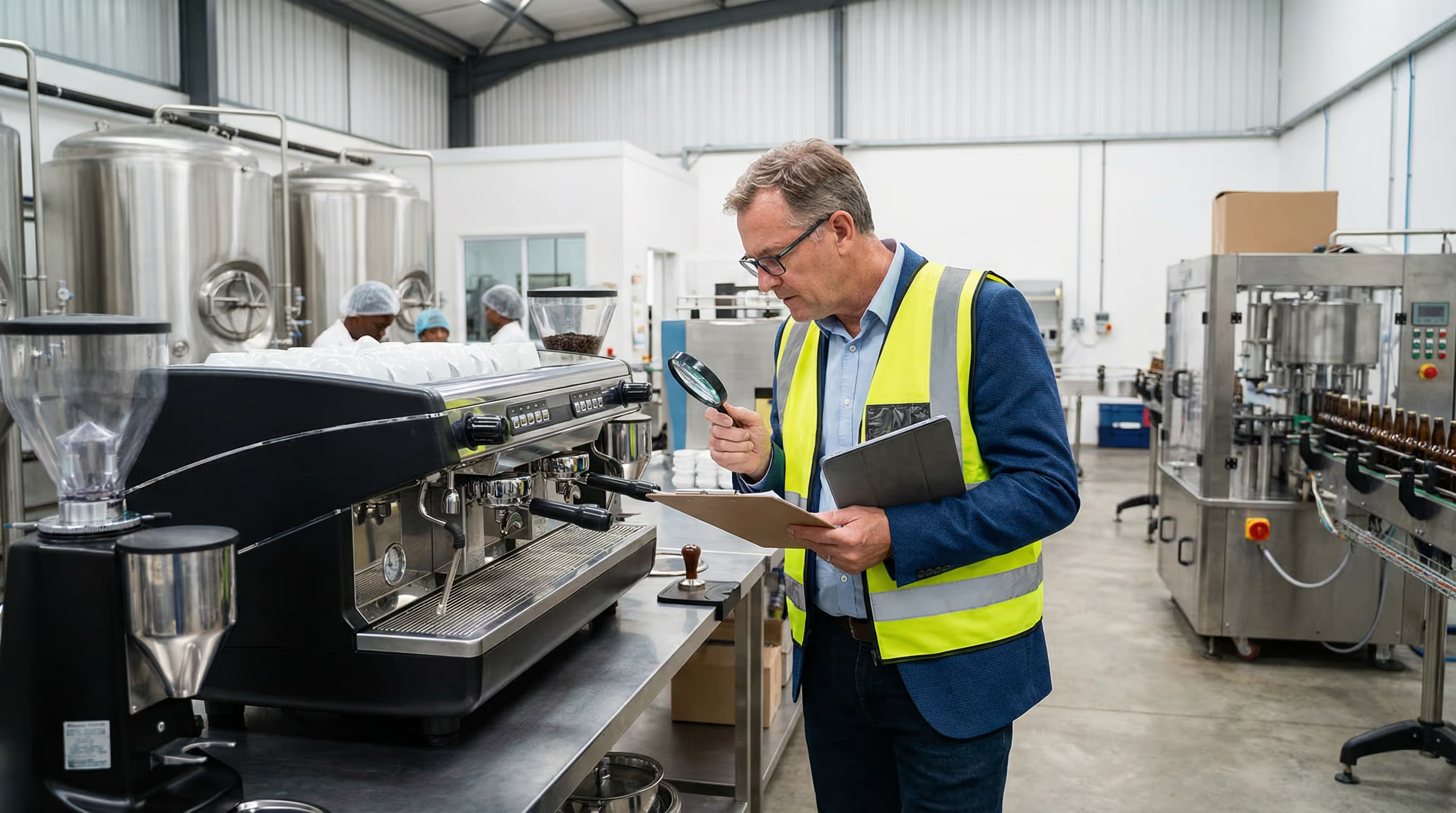
On-site inspection and data collection involves the appraiser visiting your facility to examine equipment firsthand. They'll assess physical condition, verify specifications, document any modifications or upgrades, and photograph equipment for their records. This typically takes a few hours to a full day depending on your inventory size.
Market research and valuation analysis happens after the inspection. The appraiser researches comparable sales, replacement costs, and current market conditions. They'll apply appropriate valuation methods based on your equipment type and the appraisal's intended use.
Important note: Appraisers certified through organizations like ASA (American Society of Appraisers) or USPAP (Uniform Standards of Professional Appraisal Practice) provide reports that meet legal and financial institution requirements.
Report preparation and delivery concludes the process. You'll receive a comprehensive document detailing findings, methodology, and conclusions. Professional reports include equipment descriptions, photographs, market analysis, and a clear statement of value with effective date.
Not all appraisers are qualified to evaluate beverage equipment. Look for professionals with specific experience in your industry and relevant certifications like ASA, AEA (Accredited Equipment Appraiser), or CMEA (Certified Machinery and Equipment Appraiser).
Experience matters significantly in beverage equipment appraisals. Qualified appraisers understand industry-specific factors like regulatory compliance, specialized maintenance requirements, and market trends affecting equipment values. They should be familiar with major manufacturers and able to identify modifications that impact value—much like choosing the right appraiser for food processing equipment.
Appraisal ScopeTypical Cost RangeTimelineSingle machine$300-8001-2 daysSmall facility$800-2,0002-4 daysLarge operation$2,000-5,000+5-7 days
Costs vary based on equipment complexity, quantity, location, and required research depth. Most appraisers charge hourly rates between $75-200 plus travel expenses and any specialized research costs. Getting quotes from multiple qualified appraisers helps ensure fair pricing.

Several key factors influence beverage equipment valuations, and understanding these helps you prepare for the appraisal and interpret results.
Physical condition and maintenance history significantly impact value. Well-maintained equipment with documented service records commands higher values than neglected machinery. Regular maintenance, recent upgrades, and proper storage all contribute positively to appraisals.
Age and technological relevance affect equipment differently across categories. While some industrial equipment maintains value well over decades, technology-dependent items like control systems may depreciate faster. Energy efficiency improvements in newer models can also impact older equipment values.
Market demand and industry trends play crucial roles in valuations. The craft beverage boom has increased demand for certain equipment types while making others less desirable. Appraisers consider current market conditions, seasonal factors, and industry growth patterns—similar to how agricultural equipment appraisers assess machinery.
Brand reputation and parts availability influence long-term value. Equipment from established manufacturers with good parts support typically holds value better than obscure brands. Discontinued models may see values affected by parts scarcity or service limitations.
Pro insight: Equipment modifications can either add or subtract value depending on their professional installation and relevance to current operations. Always document any changes made to original specifications.
Understanding the beverage equipment appraisal process empowers you to make better decisions about your business assets. Whether you're expanding operations, securing financing, or managing risk through proper insurance coverage, professional appraisals provide the accurate valuations you need. To avoid pitfalls during the process, review common mistakes to avoid when getting a beverage equipment appraisal.
Ready to get started with your beverage equipment appraisal? Contact AppraiseItNow today for expert evaluation services that meet all professional standards and deliver the reliable results your business deserves.
A beverage equipment appraisal typically takes 1-7 days depending on the complexity and scope of your equipment. Single machines can be appraised in 1-2 days, while small facilities usually require 2-4 days, and large operations may take 5-7 days. The timeline includes consultation, preparation, on-site inspection, market research, and report delivery.
Look for appraisers with certifications like ASA (American Society of Appraisers), AEA (Accredited Equipment Appraiser), or CMEA (Certified Machinery and Equipment Appraiser). They should have specific experience in the beverage industry and be familiar with USPAP (Uniform Standards of Professional Appraisal Practice) compliance to ensure their reports meet legal and financial institution requirements.
You'll need equipment lists with make, model, and serial numbers, original purchase documentation, maintenance records, and current photographs. Having equipment specifications, any modification records, and usage history organized before contacting an appraiser can significantly reduce both time and costs of the appraisal process.
Beverage equipment appraisals typically cost $75-200 per hour plus travel expenses. Single machines range from $300-800, small facilities cost $800-2,000, and large operations can cost $2,000-5,000 or more. The final cost depends on equipment complexity, quantity, location, and the depth of research required for your specific appraisal purpose.