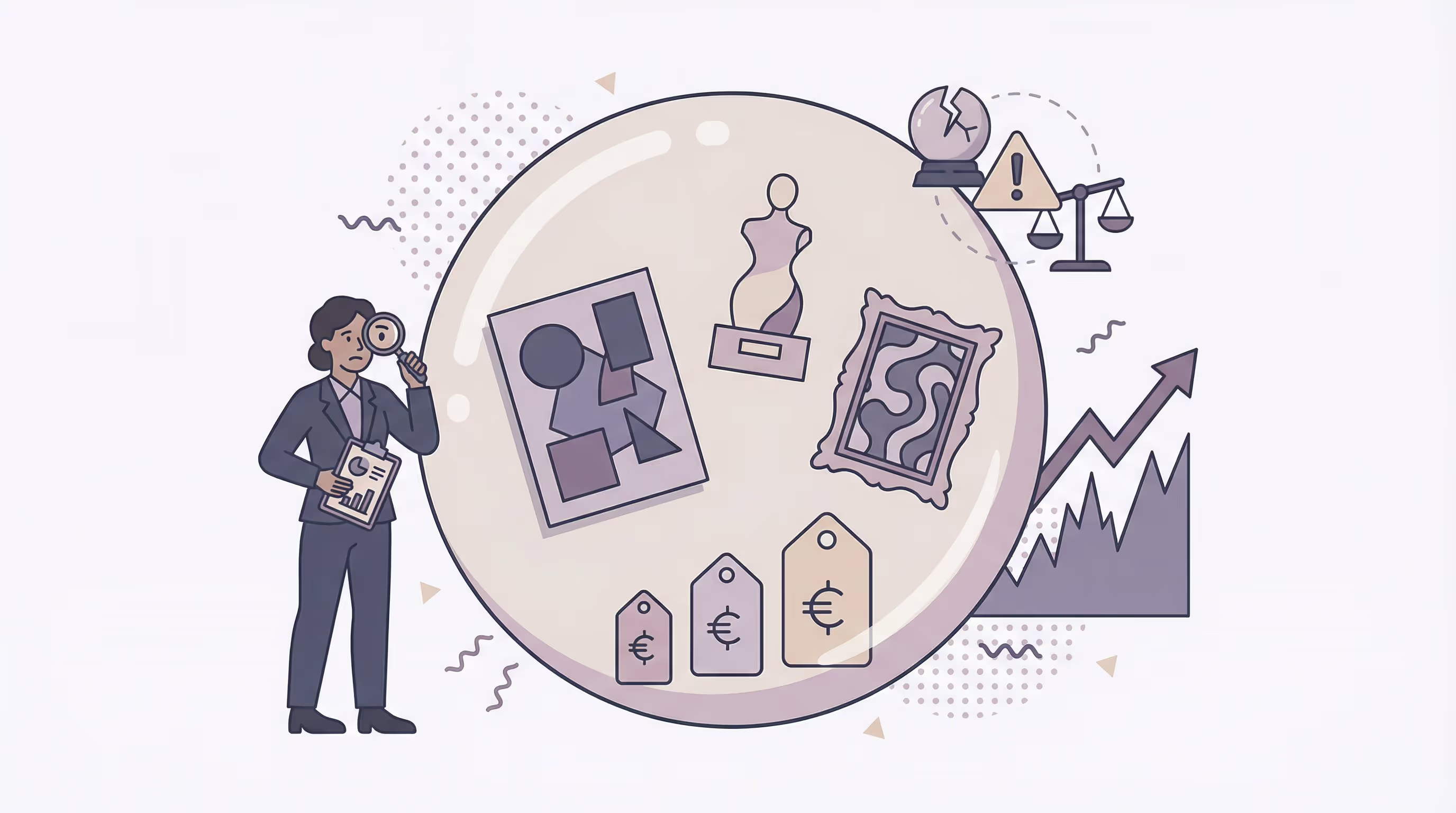
Art Market Bubble Appraisal Challenges During Speculation

Last Updated on Dec 28, 2025
Originally Published on Dec 28, 2025
Thank you! Your submission has been received!
Oops! Something went wrong while submitting the form.
Nationwide Service
Onsite or Online
USPAP-Compliant
IRS Qualified
DEFENSIBLE, USPAP-COMPLIANT APPRAISAL REPORTS — QUALIFIED FOR THE IRS, INSURANCE AGENGIES, LENDERS, AND MORE.
Art market bubble price surge chart showing dramatic increases

Introduction

Is the art market experiencing a dangerous bubble that could leave collectors and investors vulnerable? Art market bubbles occur when speculation drives prices far beyond sustainable levels, creating significant challenges for accurate appraisals. During these periods, determining fair market value becomes increasingly complex as traditional valuation methods struggle to separate genuine worth from speculative hype.

Key insight: Art market bubbles can inflate prices by 300-400% above historical norms, making accurate appraisals critical for protecting your investments and insurance coverage.

Understanding these dynamics helps you navigate uncertain market conditions and make informed decisions about buying, selling, or insuring artwork. Whether you're a seasoned collector or new to art investment, recognizing bubble warning signs and appraisal challenges can save you from significant financial losses.

What defines an art market bubble

An art market bubble forms when artwork prices rise rapidly due to speculation rather than intrinsic value. Unlike steady appreciation based on artistic merit or historical significance, bubble pricing reflects investor excitement and fear of missing out on potential gains.

These bubbles share common characteristics with other financial bubbles. Prices increase at unsustainable rates, often doubling or tripling within short periods. Media attention intensifies around record-breaking sales, drawing new investors who lack deep art market knowledge. Auction houses report unprecedented bidding wars, and galleries struggle to keep popular works in stock.

The current art market shows several bubble indicators. According to the appraiseitnow.com analysis of recent market data, certain contemporary art segments have experienced price increases exceeding 400% since 2026. This rapid growth outpaces historical appreciation rates and raises concerns about sustainability.

Famous auction house bidding scene with record breaking sales

What makes art bubbles particularly challenging is their emotional component. Unlike stocks or bonds, art carries cultural and aesthetic value that can justify higher prices. This emotional attachment makes it harder to identify when speculation crosses into dangerous territory.

Appraisal challenges during speculative periods

Appraising artwork during market bubbles presents unique obstacles that don't exist in stable markets. Traditional valuation methods rely on comparable sales, but during bubbles, recent sales may reflect speculation rather than true market value.

Provenance verification becomes more difficult when artwork changes hands rapidly. Speculators often prioritize quick profits over proper documentation, leaving gaps in ownership history. Without clear provenance, appraisers struggle to authenticate pieces and establish legitimate value baselines. Understanding the role of provenance in art appraisals is essential for maintaining accurate valuations during volatile periods.

The abundance of new market participants creates additional complexity. Many bubble-era buyers lack experience with art authentication, condition assessment, or market history. They may unknowingly purchase works with condition issues, attribution problems, or questionable authenticity that only become apparent during professional appraisal.

Critical consideration: During speculation periods, up to 30% of artwork may be overvalued by 50% or more compared to historical pricing trends.

Market timing also complicates valuations. Appraisers must decide whether to base values on current inflated prices or more conservative historical trends. This decision significantly impacts insurance coverage, estate planning, and charitable donation calculations.

Risk mitigation strategies for accurate valuations

Professional appraisers employ several strategies to maintain accuracy during volatile market conditions. Comprehensive market research becomes even more critical, requiring analysis of longer-term price trends rather than recent sales alone.

Appraisers increase their reliance on fundamental value indicators during bubbles. These include the artist's career trajectory, institutional recognition, museum acquisitions, and critical reception. While market prices may fluctuate wildly, these underlying factors provide more stable valuation anchors. The influence of artist reputation on art appraisals becomes even more important when separating genuine value from speculative hype.

Documentation standards become more rigorous during speculative periods. Appraisers conduct thorough condition assessments, verify provenance through multiple sources, and research any restoration or conservation history. This extra diligence helps identify potential issues that could affect long-term value. The impact of condition on artwork appraisals cannot be overstated, especially when market volatility obscures underlying quality issues.

Conservative valuation approaches help protect clients from overvaluation risks. Rather than relying solely on peak bubble prices, experienced appraisers consider multiple valuation scenarios and clearly communicate market volatility risks in their reports.

Professional appraiser examining artwork with magnifying glass and documentation

Professional networks become invaluable during uncertain times. Appraisers consult with colleagues, auction house specialists, and academic experts to validate their assessments and ensure they haven't missed important market developments.

Protecting your art investments during market volatility

Smart collectors take proactive steps to protect themselves from bubble-related losses. Diversification remains the most effective strategy, spreading investments across different artists, periods, and price ranges rather than concentrating in trendy categories.

Research becomes your best defense against speculation-driven mistakes. Before purchasing, investigate the artist's auction history, gallery representation, and critical reception. Look for consistent performance over multiple market cycles rather than recent dramatic increases. Contemporary art market insights can help you identify sustainable trends versus temporary speculation.

Professional appraisals provide essential protection for your collection. Regular valuations help you understand true market position and adjust insurance coverage appropriately. During volatile periods, consider annual appraisals for high-value pieces rather than waiting for standard three-to-five-year cycles. Art appraisals and insurance work together to safeguard your collection against market downturns.

Timing your transactions strategically can minimize bubble exposure. Avoid panic buying during peak speculation periods, and consider selling overvalued pieces when market conditions favor sellers. Remember that art investment requires patience and long-term perspective.

Working with experienced professionals protects you from common bubble-era mistakes. Established dealers, reputable auction houses, and certified appraisers provide valuable guidance and help you avoid problematic purchases that could lose value when markets normalize. Hiring a professional for artwork appraisals ensures you receive expert guidance during uncertain market conditions.

Understanding art market bubbles and their impact on appraisals helps you make informed decisions about your collection. While speculation creates risks, knowledgeable collectors who work with qualified professionals can navigate volatile periods successfully. Regular professional appraisals from certified experts ensure you maintain accurate valuations regardless of market conditions, protecting your investments and providing peace of mind during uncertain times.

FAQ

What is an art market bubble and how does it affect appraisals?

An art market bubble occurs when artwork prices rise rapidly due to speculation rather than intrinsic value, often increasing by 300-400% above historical norms. During these periods, appraisers face significant challenges in determining accurate valuations as traditional methods struggle to separate genuine worth from speculative hype. This makes proper documentation, provenance verification, and conservative valuation approaches essential for protecting collectors and investors.

How can collectors protect themselves during art market speculation?

Smart collectors should diversify their investments across different artists, periods, and price ranges rather than concentrating in trendy categories. Research the artist's auction history, gallery representation, and critical reception before purchasing. Regular professional appraisals help maintain accurate valuations and appropriate insurance coverage, while working with certified appraisers and established dealers provides valuable guidance during volatile market conditions.

What strategies do professional appraisers use during market bubbles?

Professional appraisers employ several risk mitigation strategies including comprehensive market research analyzing longer-term price trends, increased reliance on fundamental value indicators like artist career trajectory and institutional recognition, more rigorous documentation standards, and conservative valuation approaches. They also consult with professional networks and clearly communicate market volatility risks in their appraisal reports to protect clients from overvaluation.

When should you get an art appraisal during volatile market periods?

During volatile market periods, consider annual appraisals for high-value pieces rather than waiting for standard three-to-five-year cycles. Professional appraisals are essential before major purchases, for insurance coverage adjustments, estate planning, or when considering selling overvalued pieces. Regular valuations help you understand your collection's true market position and provide protection against market downturns through proper documentation and risk assessment.

Related Appraisals We Offer

Related Articles

APPRAISEITNOW APPRAISERS ARE BEST-IN-CLASS & CREDENTIALED BY LEADING APPRAISAL ORGANIZATIONS LIKE THE ISA, ASA, & MORE.