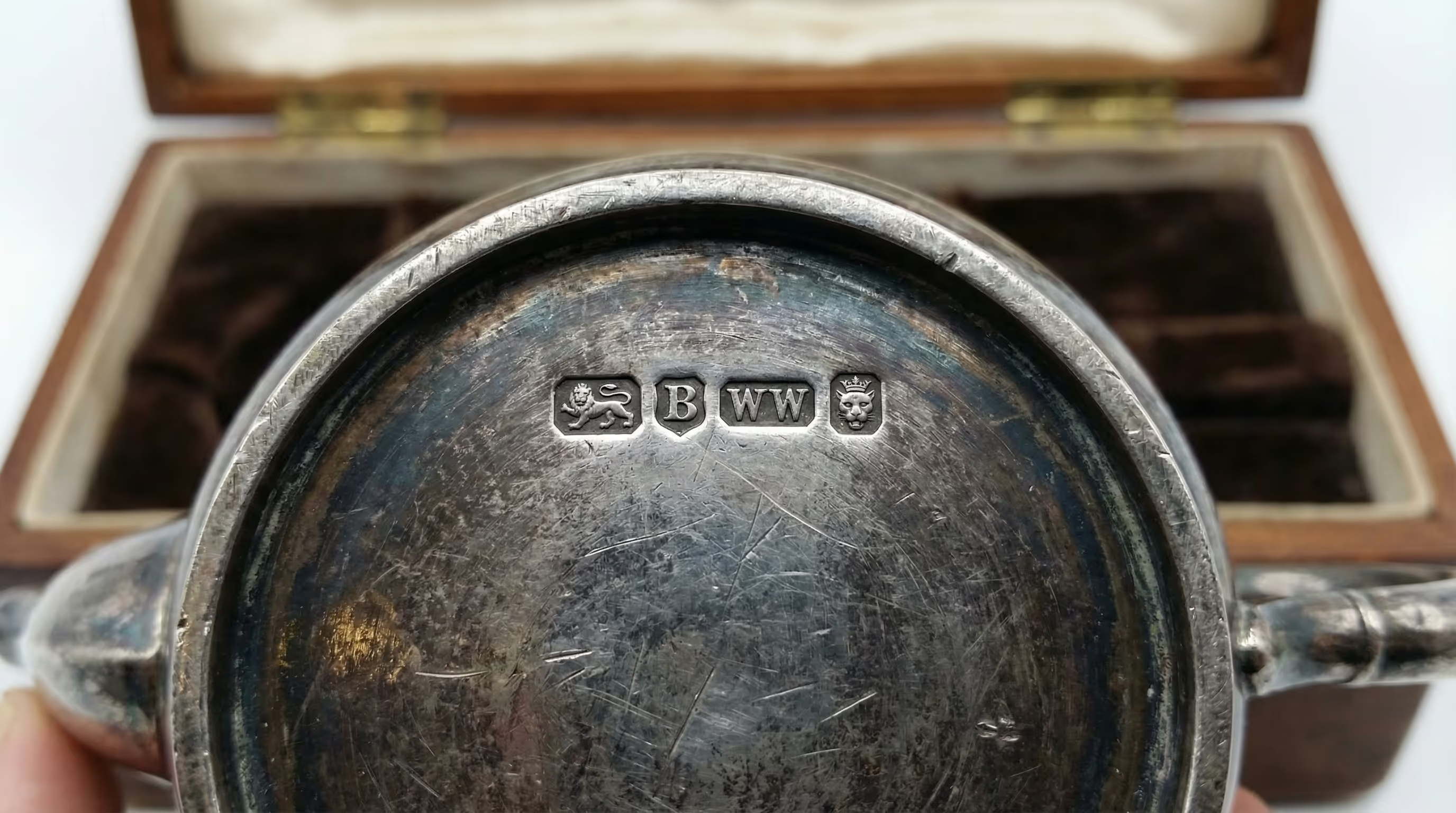
You've inherited your grandmother's silver tea set, and you're wondering if it's worth the cost of insurance or if you should sell it. Without knowing its true value, you could end up underinsuring a valuable piece, selling it for far less than it's worth, or paying premiums on something that's only worth its melt value.
Professional antique silver appraisals provide the accurate, defensible valuations you need to make informed decisions about your silver pieces. Whether you're dealing with insurance claims, estate planning, charitable donations, or selling, understanding your silver's true worth protects you from costly mistakes and ensures you get maximum value from your investment.
Quick Answer: An antique silver appraisal typically costs $150-$400 per piece and provides a written valuation based on factors like age, maker, condition, and market demand. Professional appraisals are essential for insurance coverage over $2,500, estate settlements, and maximizing sale prices.
An antique silver appraisal is a formal, written opinion of value prepared by a qualified appraiser for a specific purpose and date. Unlike casual estimates, these appraisals follow professional standards and provide legally defensible documentation of your silver's worth.
The term "antique" typically refers to items over 100 years old, but valuable silver can span all eras. A 1950s Tiffany & Co. serving piece might be worth thousands, while a 200-year-old unmarked spoon could be worth only its silver content. Age alone doesn't determine value.
Professional appraisals become legally or financially required in several situations. Insurance companies typically require them for coverage above $2,500, the IRS requires them for charitable donations over $5,000, and courts often mandate them for estate settlements and divorce proceedings. Understanding when to turn to a professional for help with an antique silver appraisal can save you from costly mistakes.

The first step in valuing silver involves identifying whether you have solid silver or silver plate. Sterling silver carries hallmarks like "sterling," "925," or national marks, while plated items show "EPNS" (electroplated nickel silver) or simply "silver plate."
Five key factors drive antique silver values beyond the base metal content. The maker significantly impacts worth - pieces by Tiffany & Co., Georg Jensen, or Paul Revere command premium prices. Age matters, but condition is equally important since dents, repairs, or missing parts reduce value substantially. Rarity plays a role, with unusual patterns or limited production pieces worth more than common items.
Market context separates melt value from collector value. A plain sterling bowl might be worth only its silver weight times current spot prices, while an identical piece by a famous maker could be worth five times that amount. Complete sets typically carry premiums over individual pieces, and original boxes or documentation add value. Learning what to look for when appraising antique silver helps you understand these nuances.
Different appraisal types serve specific purposes and yield different value conclusions. Insurance appraisals establish replacement value - what you'd pay to replace the item with something of similar quality in today's retail market. These typically show the highest values since they reflect retail replacement costs.
Fair market value appraisals determine what a willing buyer would pay a willing seller in an open market. These are used for estate planning, charitable donations, and resale decisions. The values usually fall between insurance replacement and liquidation values.
Appraisal TypeTypical UseValue BasisTypical Value LevelInsuranceCoverage protectionReplacement costHighestFair MarketEstate, donation, resaleOpen market priceModerateLiquidationQuick sale, divorceForced sale conditionsLowerBreak-upScrap decisionsMelt value onlyLowest
Liquidation appraisals reflect values under time pressure or forced sale conditions, while break-up valuations consider only the precious metal content for pieces with minimal design value. For more details on the different types of antique silver appraisals, consult expert guidance.
Important Note: The IRS requires fair market value appraisals for charitable donations, while insurance companies typically need replacement value appraisals. Using the wrong type can create problems later.
Common triggers for silver appraisals include inheritance, major life changes, insurance policy updates, and charitable donation planning. If you've inherited silver or are downsizing, an appraisal helps you make informed decisions about keeping, selling, or donating pieces.
Several red flags suggest your silver may be more valuable than you think. Complete matching sets, pieces in original boxes, items with clear maker's marks from known companies, or silver in exceptional condition often carry premiums above expectations. Family stories about "expensive" pieces or items purchased from high-end retailers decades ago deserve professional evaluation.
Appraisals should be updated every 3-5 years for insurance purposes, or sooner if precious metal prices change dramatically. Market values for decorative silver can shift based on collecting trends, economic conditions, and the availability of similar pieces. Knowing the reasons to get an antique silver appraisal helps you protect your investment.

Look for appraisers with recognized credentials from organizations like the American Society of Appraisers (ASA) or the International Society of Appraisers (ISA). These credentials require education, testing, and ongoing professional development. USPAP (Uniform Standards of Professional Appraisal Practice) compliance ensures the appraiser follows industry standards.
Experience with antique silver specifically matters more than general appraisal experience. Ask about their background with decorative arts, silver, or antiques rather than settling for a generalist who primarily handles real estate or machinery.
Before hiring, ask key questions about their training, methodology for silver evaluation, whether they provide written reports, their fee structure, and any potential conflicts of interest. Avoid appraisers who charge based on a percentage of value or who offer to buy your items - these create obvious conflicts. For comprehensive guidance on finding a reliable antique silver appraiser, review expert recommendations.
Red flags include appraisers without proper credentials, those who provide only verbal estimates, anyone pushing you to sell immediately, or professionals who seem unfamiliar with silver hallmarks and maker identification.
Pro Tip: A qualified silver appraiser should be able to identify hallmarks, explain their methodology clearly, and provide references from past clients. If they can't discuss the difference between sterling and plate or seem unfamiliar with major silver manufacturers, keep looking.
Professional appraisals provide several key advantages over DIY methods. You get accurate, defensible values that hold up under scrutiny from insurance companies, courts, or the IRS. Professional appraisers understand market nuances that online calculators miss, helping you avoid undervaluation of rare or maker pieces.
The documentation protects you in multiple ways. Insurance claims require professional appraisals for significant losses, estate divisions need defensible valuations to ensure fair distribution, and charitable donations over $5,000 require qualified appraisals for tax deductions. When selling, professional documentation helps justify asking prices to serious buyers.
Modern appraisal services offer both in-person and remote options. In-person appraisals work best for large collections or when detailed physical examination is crucial. Remote appraisals using high-quality photos and video calls provide convenience and access to specialists nationwide while maintaining accuracy for most pieces. Understanding how to prepare for an antique silver appraisal ensures the process goes smoothly.
Getting your antique silver professionally appraised protects your investment and ensures you make informed decisions about insurance, selling, or estate planning. The cost of an appraisal is minimal compared to the potential losses from undervaluation or inadequate coverage.
AppraiseItNow provides USPAP-compliant antique silver appraisals nationwide, with both in-person and remote options available. Our certified appraisers specialize in decorative arts and silver, ensuring you receive accurate valuations backed by professional expertise and accepted by insurance companies, courts, and the IRS.
An antique silver appraisal typically costs $150-$400 per piece, depending on the complexity of the evaluation and research required. Professional appraisers charge based on their time and expertise, not a percentage of your item's value. The cost is minimal compared to the potential losses from undervaluation or inadequate insurance coverage.
Sterling silver pieces are marked with "sterling," "925," or similar purity stamps, while silver-plated items typically show "EPNS" (electroplated nickel silver), "silver plate," or brand marks without purity indicators. Professional appraisers can confirm metal content through hallmark examination and testing when markings are unclear or worn.
Yes, many qualified appraisers offer remote appraisals using detailed photographs, measurements, and video consultations. Online appraisals work well for most pieces and provide the same USPAP-compliant documentation as in-person evaluations. For extremely valuable or complex items, appraisers may recommend physical inspection to ensure complete accuracy.
Antique silver appraisals should be updated every 3-5 years for insurance purposes, or sooner if precious metal prices change significantly or market conditions shift. You should also get new appraisals after major life events like inheritance, divorce, or before making charitable donations to ensure current market values.