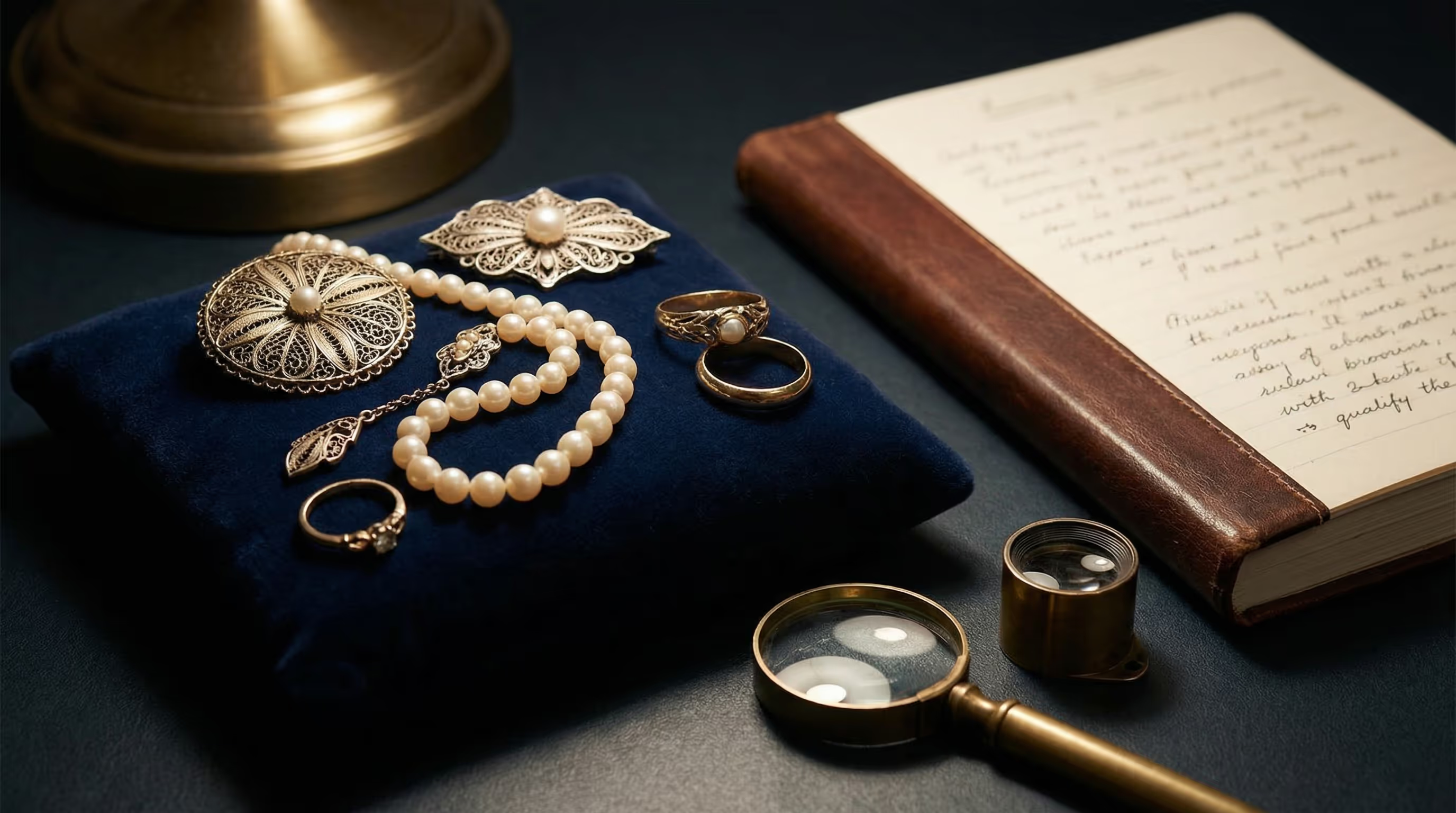
Antique Jewelry Appraisal Process: Your Complete Step-by-Step Guide

Last Updated on Dec 07, 2025
Originally Published on Dec 07, 2025
Thank you! Your submission has been received!
Oops! Something went wrong while submitting the form.
Nationwide Service
Onsite or Online
USPAP-Compliant
IRS Qualified
DEFENSIBLE, USPAP-COMPLIANT APPRAISAL REPORTS — ACCEPTED BY 10,000+ ORGANIZATIONS
Antique jewelry appraisal process overview

Wondering what your grandmother's vintage brooch or inherited diamond ring is actually worth? Getting an antique jewelry appraisal can feel overwhelming, but understanding the process makes it straightforward. An antique jewelry appraisal is a professional assessment that determines the authenticity, condition, and current market value of jewelry pieces that are typically over 100 years old.

The process involves five main steps: finding a certified appraiser, initial consultation and examination, detailed testing and authentication, comprehensive market research, and receiving your final appraisal report. Most appraisals cost between $100-300 and take 3-7 days to complete, providing you with documentation that's valid for insurance, estate planning, or resale purposes.

Quick Fact: Certified gemologists use specialized tools like X-ray fluorescence (XRF) machines and refractometers to authenticate materials and determine precise metal content and gemstone quality.

Understanding what an antique jewelry appraisal includes

An antique jewelry appraisal goes far beyond simply estimating a price. Your certified appraiser will conduct a comprehensive evaluation that examines every aspect of your piece. They'll assess the metal content using acid tests or XRF technology to determine if you have gold, silver, platinum, or other precious metals, and what purity level.

The gemstone evaluation is equally thorough. Using loupes, microscopes, and specialized gem testing equipment, appraisers identify each stone and grade it based on the traditional 4Cs: cut, color, clarity, and carat weight. They'll also examine the craftsmanship, looking for maker's marks, hallmarks, or signatures that can significantly impact value.

Jewelry appraiser examining antique piece with loupe

Documentation of condition is crucial. Your appraiser will note any wear, damage, or previous repairs, as these factors directly affect value. They'll also research the piece's historical context, style period, and any provenance information you can provide. Understanding the basics of antique jewelry appraisals helps you appreciate the thoroughness of this evaluation process.

Finding the right certified appraiser for your needs

Not all appraisers are qualified to handle antique jewelry. You need someone with specific credentials and experience in vintage and antique pieces. Look for appraisers certified by recognized organizations like the American Society of Appraisers (ASA), the International Society of Appraisers (ISA), or those with Gemological Institute of America (GIA) credentials.

Experience with antique jewelry specifically matters because these pieces require knowledge of historical periods, manufacturing techniques, and market trends that differ from contemporary jewelry. Ask potential appraisers about their experience with pieces from your jewelry's era and style. When you're ready to begin, how to choose an antique jewelry appraiser provides detailed guidance on selecting the right professional.

Pro Tip: Always verify that your appraiser carries professional liability insurance and follows USPAP (Uniform Standards of Professional Appraisal Practice) guidelines for ethical and accurate valuations.

Make sure you understand what type of appraisal value you need. Insurance replacement value is typically higher than fair market value, while estate or divorce valuations may require different approaches. A qualified appraiser will explain these differences and provide the appropriate valuation for your specific purpose.

The step-by-step appraisal examination process

The actual appraisal process begins with a detailed consultation where you'll discuss the piece's history, any documentation you have, and your specific needs. Your appraiser will examine the jewelry under proper lighting using professional tools like 10x loupes and microscopes to identify construction methods, materials, and any identifying marks.

Testing comes next, and this is where specialized equipment proves invaluable. XRF machines can determine metal composition without damaging the piece, while gem testing instruments identify stones and detect treatments or synthetic materials. Acid tests may be used sparingly on inconspicuous areas when necessary. Before your appointment, reviewing how to prepare for an antique jewelry appraisal ensures you bring all necessary documentation and information.

Antique jewelry appraisal testing equipment and tools

The appraiser will photograph your piece from multiple angles, capturing important details like hallmarks, construction features, and overall condition. These photos become part of your permanent appraisal record and are essential for insurance claims or future reference.

Market research follows the physical examination. Your appraiser will research recent sales of comparable pieces through auction records, dealer networks, and specialized databases to establish current market values. This research phase can take several days as they compile data from multiple sources.

Understanding your appraisal report and its validity

Your final appraisal report is a comprehensive document that serves as legal proof of your jewelry's value and authenticity. It includes detailed descriptions of materials, measurements, weight, condition assessment, and high-quality photographs. The report will specify the type of value provided and the intended use.

Report ComponentWhat It IncludesWhy It MattersItem DescriptionMaterials, dimensions, weightLegal identificationCondition AssessmentWear, damage, repairsAffects current valueMarket AnalysisComparable sales dataSupports valuationPhotographsMultiple detailed anglesVisual documentation

The validity period of your appraisal depends on its intended use. Insurance appraisals typically remain valid for 3-5 years, though some insurers may require more frequent updates for high-value pieces. Market conditions, particularly for antique jewelry, can change significantly over time, so regular updates ensure your coverage remains adequate. If you have questions about your appraisal results, common questions about antique jewelry appraisals addresses the most frequently asked concerns.

Important Note: Keep your original appraisal report in a safe place and provide copies to your insurance company, attorney, or financial advisor as needed. The original document may be required for certain legal or insurance purposes.

Getting an antique jewelry appraisal provides peace of mind and financial protection for your valuable pieces. Whether you're seeking insurance coverage, planning your estate, or simply curious about a family heirloom's worth, a professional appraisal gives you the documentation and knowledge you need to make informed decisions about your treasured jewelry. Understanding the benefits of an antique jewelry appraisal can help you maximize the value of this important service, while knowing what to do with the results of an antique jewelry appraisal ensures you make the most of your investment.

FAQ

How much does an antique jewelry appraisal cost?

Most antique jewelry appraisals cost between $100-300, depending on the complexity of the piece and the appraiser's expertise. Simple pieces may cost as little as $75, while rare or complex antique jewelry requiring extensive research can cost up to $500. Appraisers typically charge either a flat fee per item or an hourly rate of $90-150, never a percentage of the item's value.

How long does an antique jewelry appraisal take?

The antique jewelry appraisal process typically takes 3-7 days to complete. The initial examination and testing can be done in 1-2 hours, but the comprehensive market research and report preparation require additional time. Complex or rare pieces may take longer if extensive historical research or authentication is needed.

How long is an antique jewelry appraisal valid?

Antique jewelry appraisals are typically valid for 3-5 years for insurance purposes, though some insurers may require updates sooner for high-value pieces. Market conditions can change significantly over time, especially for antique jewelry, so it's recommended to update your appraisal if the piece's condition changes or if market values fluctuate substantially.

What credentials should an antique jewelry appraiser have?

Look for appraisers certified by recognized organizations like the American Society of Appraisers (ASA), International Society of Appraisers (ISA), or those with Gemological Institute of America (GIA) credentials. They should have specific experience with antique jewelry, follow USPAP guidelines, carry professional liability insurance, and demonstrate knowledge of historical periods and vintage manufacturing techniques.

Related Appraisals We Offer

Related Articles

BEST-IN-CLASS APPRAISERS, CREDENTIALED BY: