Antique Jewelry Appraisal Guide: Cost, Process, and Value Factors Explained

Last Updated on Dec 13, 2025
Originally Published on Dec 13, 2025
Thank you! Your submission has been received!
Oops! Something went wrong while submitting the form.
Nationwide Service
Onsite or Online
USPAP-Compliant
IRS Qualified
DEFENSIBLE, USPAP-COMPLIANT APPRAISAL REPORTS — ACCEPTED BY 10,000+ ORGANIZATIONS
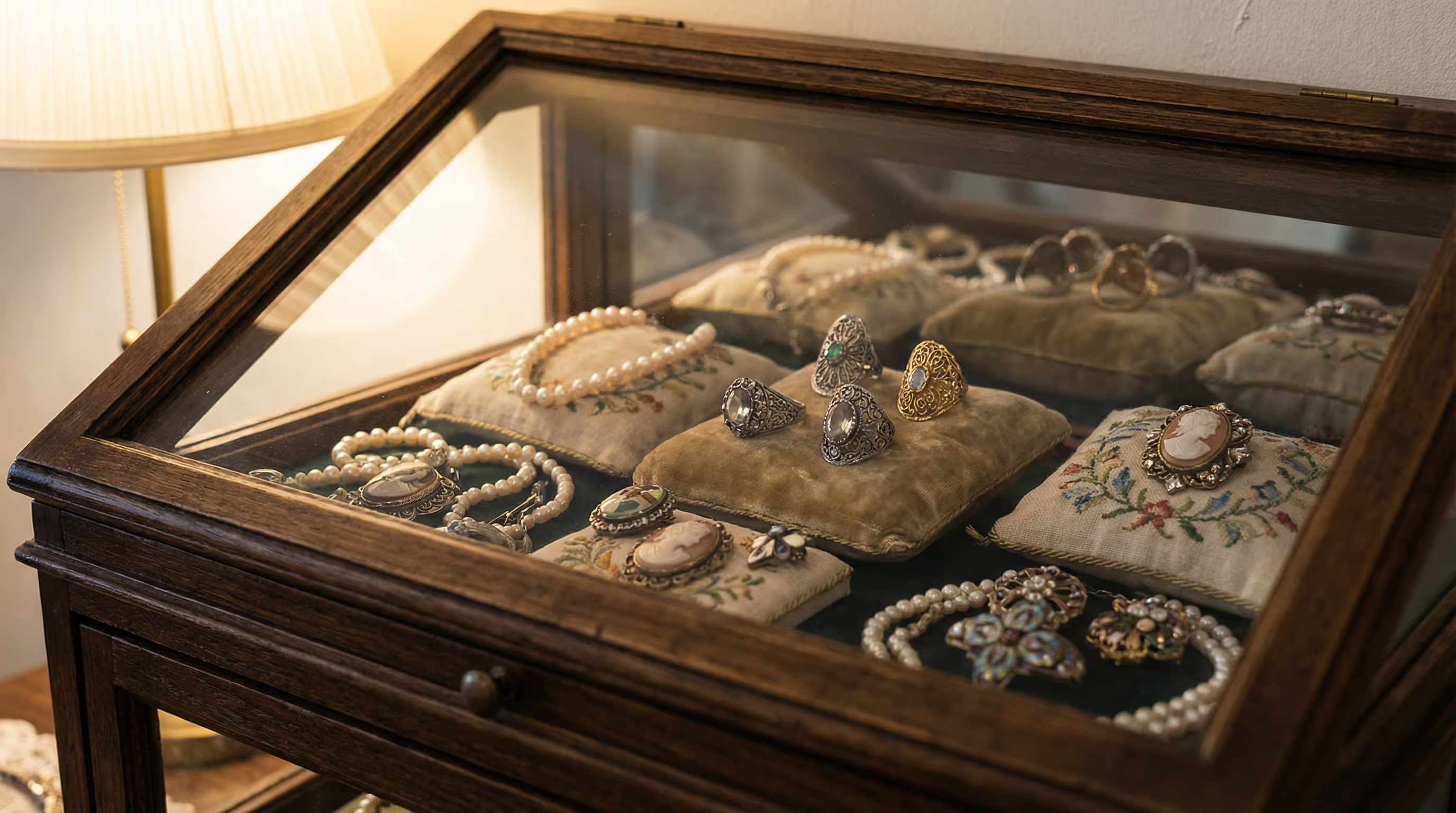
Antique jewelry collection with vintage rings, necklaces and brooches on elegant display

If you've inherited a piece of jewelry or discovered something beautiful at an estate sale, you might be wondering what it's actually worth. Without knowing the true value, you could end up selling a treasure for far less than it's worth or paying too much for insurance coverage. An antique jewelry appraisal provides the accurate valuation you need to make informed decisions about your pieces.

An antique jewelry appraisal is a professional assessment that determines the monetary value of jewelry pieces that are typically 100 years or older. The process involves examining the item's materials, craftsmanship, condition, and historical significance to establish its current market value. Professional appraisers use specialized knowledge and market research to provide accurate valuations for insurance, estate planning, or sale purposes.

Quick Fact: Most antique jewelry appraisals are accurate within 5-10% of actual market value when performed by qualified professionals, making them reliable tools for financial and legal decisions.

This guide will walk you through everything you need to know about antique jewelry appraisals, from understanding what qualifies as antique to choosing the right appraiser for your needs.

Understanding antique, vintage, and estate jewelry categories

Before diving into appraisals, it's important to understand the distinctions between different types of older jewelry. These categories affect both value and appraisal approach.

Antique jewelry refers to pieces that are at least 100 years old, typically from the Victorian, Edwardian, or Art Nouveau periods. These pieces often carry the highest values due to their age, rarity, and historical significance. Vintage jewelry encompasses pieces that are 20 to 99 years old, including Art Deco and mid-century modern designs that have gained popularity among collectors.

Estate jewelry is simply pre-owned jewelry from any era, whether it's a recent piece or a true antique. The term doesn't indicate age but rather that the jewelry has had previous owners. Understanding these distinctions helps you communicate more effectively with appraisers and set appropriate expectations for value.

CategoryAge RangeTypical CharacteristicsValue ConsiderationsAntique100+ yearsHistorical styles, handcrafted detailsHighest potential value, rarity premiumVintage20-99 yearsMid-century designs, machine-made elementsModerate to high value, style-dependentEstateAny agePre-owned pieces, varied conditionsValue based on individual merits

When you need an antique jewelry appraisal

Several situations call for professional appraisals, each with specific requirements and purposes. Insurance coverage represents the most common reason, especially when adding valuable pieces to your homeowner's policy or obtaining specialized jewelry insurance.

Estate planning and inheritance situations often require appraisals to establish fair market values for distribution among heirs or tax purposes. If you're planning to sell or consign antique jewelry, an appraisal helps you set realistic expectations and avoid undervaluing your pieces.

Professional appraiser examining antique ring with magnifying glass and tools

Charitable donations of jewelry valued over $5,000 require qualified appraisals for IRS tax deduction purposes. Legal matters such as divorce proceedings may also necessitate neutral third-party valuations to ensure equitable distribution of assets.

Important Note: Different purposes require different types of value determinations, so always specify the intended use when requesting an appraisal to ensure you receive the appropriate valuation type.

How the antique jewelry appraisal process works

The appraisal process follows a systematic approach that ensures thorough evaluation and accurate valuation. Understanding these steps helps you prepare for an antique jewelry appraisal and know what to expect during your appointment.

Initial consultation involves discussing the purpose of your appraisal and examining your pieces to determine the scope of work needed. The appraiser will explain their methodology and provide cost estimates based on the complexity and number of items.

Physical examination represents the core of the process, where the appraiser inspects each piece using specialized tools and techniques. They'll examine metals, gemstones, construction methods, and any maker's marks or hallmarks that provide clues about origin and authenticity.

Market research follows the physical examination, where the appraiser compares your pieces to similar items that have recently sold or are currently available in the market. This research helps establish current market values and supports the final valuation.

The written report compilation concludes the process, providing detailed descriptions, photographs, and the determined value along with the methodology used. Professional reports include the appraiser's credentials and comply with industry standards for the intended purpose.

Key factors that determine antique jewelry value

Multiple elements influence the value of antique jewelry, and understanding these factors helps you appreciate why professional evaluation is essential. Material composition forms the foundation of value, with precious metals like gold, platinum, and silver contributing significantly to worth.

Gemstone quality and authenticity play crucial roles in valuation. Natural stones typically command higher values than synthetic alternatives, while factors like clarity, color, cut, and carat weight affect individual stone values. The appraiser will test and evaluate each stone separately.

Craftsmanship and design elements reflect the skill and artistry involved in creating the piece. Hand-forged details, intricate settings, and unique design elements can substantially increase value beyond the raw material worth.

Historical significance and provenance add premium value to certain pieces. Jewelry from famous makers, specific historical periods, or with documented ownership history often commands higher prices in the collector market.

Condition assessment directly impacts value, as damage, repairs, or alterations can significantly reduce worth. However, some wear is expected in antique pieces, and minor issues may not dramatically affect value if the piece retains its integrity and beauty.

Market Reality: The difference between insurance replacement value and fair market value can be substantial, with replacement values often 25-50% higher than what you might receive if selling the piece.

Choosing qualified appraisers and understanding costs

Selecting the right appraiser ensures accurate valuations and professional service that meets your specific needs. Look for appraisers with relevant certifications such as the American Society of Appraisers (ASA) or International Society of Appraisers (ISA) credentials.

Experience with antique jewelry specifically matters more than general appraisal experience. When choosing an antique jewelry appraiser, ask potential appraisers about their background with pieces similar to yours and request examples of their work or client references.

Certified appraiser credentials and professional tools layout

Appraisal costs typically range from $300 to $600 per item for standard pieces, with complex or high-value items potentially costing more. Most appraisers charge hourly rates between $200 and $400, though some offer flat fees for straightforward evaluations.

The time required varies based on complexity, but most single-item appraisals take 2-4 hours including examination, research, and report preparation. Collections or particularly complex pieces may require additional time and multiple sessions.

Always verify that your chosen appraiser carries professional liability insurance and follows Uniform Standards of Professional Appraisal Practice (USPAP) guidelines. These standards ensure ethical conduct and reliable results that will be accepted by insurance companies, courts, and tax authorities. Understanding the benefits of an antique jewelry appraisal and what to expect from an antique jewelry appraisal will help you make the most informed decision.

Getting a professional antique jewelry appraisal protects your financial interests whether you're insuring treasured pieces, settling an estate, or planning a sale. The investment in professional evaluation pays dividends through accurate insurance coverage, fair transactions, and peace of mind about your jewelry's true worth. Once you receive your appraisal results, knowing what to do with the results of an antique jewelry appraisal ensures you maximize the value of this important documentation. When you're ready to move forward, AppraiseItNow connects you with qualified, certified appraisers nationwide who specialize in antique jewelry and follow industry best practices to deliver reliable, defensible valuations.

Frequently Asked Questions About Antique Jewelry Appraisals

How much does an antique jewelry appraisal cost?

Most professional antique jewelry appraisals cost between $300 to $600 per item, with appraisers typically charging hourly rates of $200 to $400. Complex pieces with extensive research requirements or high-value collections may cost more. Avoid appraisers who charge a percentage of the jewelry's value, as this creates a conflict of interest and is considered unethical in the industry.

Can I get an accurate antique jewelry appraisal online?

Online antique jewelry appraisals can be accurate for many pieces when conducted by qualified professionals using detailed photographs and documentation. However, very high-value items, pieces with suspected damage, or complex antiques may require in-person examination to verify authenticity, test metals, and assess condition properly. The best approach depends on your specific piece and appraisal purpose.

What's the difference between insurance value and fair market value for antique jewelry?

Insurance replacement value represents what it would cost to replace your antique jewelry with a comparable piece at current retail prices, typically 25-50% higher than market value. Fair market value reflects what your piece would sell for between willing buyers and sellers in the current market, often used for estate planning, divorce proceedings, or charitable donations. The same piece can have different values depending on the appraisal's intended purpose.

How often should I update my antique jewelry appraisal?

Antique jewelry appraisals should be updated every 3-5 years for insurance purposes, or sooner during periods of significant market volatility in precious metals and gemstones. Regular updates ensure your insurance coverage reflects current replacement costs and prevents you from being under-insured or over-insured. Some insurance companies may require more frequent updates for very high-value pieces.

Related Appraisals We Offer

Related Articles

BEST-IN-CLASS APPRAISERS, CREDENTIALED BY: