Antique Jewelry Appraisal Guide - Complete Process and Value Factors

Last Updated on Nov 25, 2025
Originally Published on Nov 25, 2025
Thank you! Your submission has been received!
Oops! Something went wrong while submitting the form.
Nationwide Service
Onsite or Online
USPAP-Compliant
IRS Qualified
DEFENSIBLE, USPAP-COMPLIANT APPRAISAL REPORTS — ACCEPTED BY 10,000+ ORGANIZATIONS
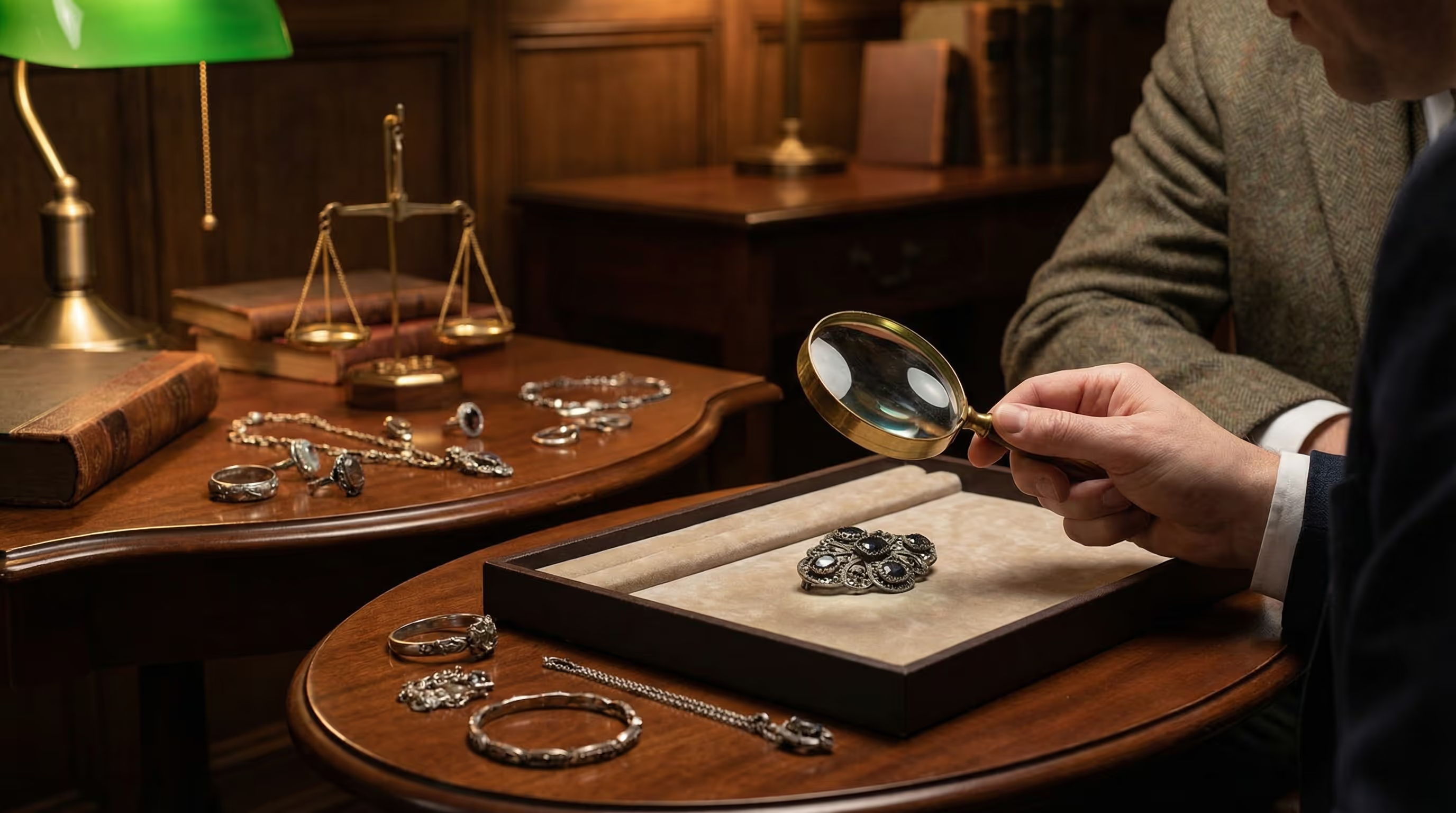
Antique jewelry appraisal process with magnifying glass and vintage pieces

Understanding the true value of antique jewelry requires more than admiring its beauty. Whether you inherited grandmother's Victorian brooch or discovered a Georgian-era ring at an estate sale, proper appraisal ensures you understand what you own and how to protect it.

An antique jewelry appraisal is a professional evaluation that determines the monetary value of jewelry pieces over 100 years old. The process involves examining materials, craftsmanship, historical significance, and current market conditions. Professional appraisers use multiple valuation methods including comparison analysis, replacement cost calculations, and intrinsic value assessment to provide accurate valuations for insurance, estate planning, or resale purposes.

Key insight: Antique jewelry values can fluctuate significantly based on market trends, with some periods like Art Deco seeing 15-20% value increases in recent years due to renewed collector interest.

Understanding antique jewelry periods and their value impact

Antique jewelry spans distinct historical periods, each with unique characteristics that directly influence value. The Georgian period (1714-1837) features hand-forged pieces with rose-cut diamonds and closed-back settings. Victorian jewelry (1837-1901) divides into three sub-periods, with mourning jewelry and sentimental pieces commanding premium prices.

The Edwardian era (1901-1915) brought delicate platinum filigree work and the use of new diamond cutting techniques. Art Nouveau pieces (1890-1910) showcase flowing, nature-inspired designs that appeal to modern collectors. Each period's rarity, craftsmanship quality, and current collector demand significantly affects appraisal values.

Understanding these periods helps appraisers contextualize pieces within their historical framework. A well-documented Georgian piece with original elements typically commands higher values than later reproductions or heavily modified examples.

Timeline showing different antique jewelry periods with examples

The professional appraisal process step by step

Professional antique jewelry appraisal follows a systematic approach that ensures accuracy and thoroughness. The process begins with visual inspection using specialized tools including microscopes, loupes, and UV lights to examine construction techniques, wear patterns, and material authenticity.

Appraisers then conduct materials testing using non-destructive methods like electronic gold testers and diamond testers. They examine hallmarks, maker's marks, and any documentation that establishes provenance. Historical research follows, comparing the piece to known examples and auction records.

Market analysis involves reviewing recent sales of comparable pieces through auction houses, estate sales, and dealer networks. This comparative market analysis provides current value benchmarks. The final step involves synthesizing all findings into a comprehensive written report with photographs and detailed descriptions. For a deeper understanding of the process of an antique jewelry appraisal, consider consulting with certified professionals who specialize in these evaluations.

Important note: Professional appraisers typically spend 2-4 hours on complex antique pieces, significantly longer than modern jewelry evaluations due to the research required.

Key factors that determine antique jewelry value

Several critical factors influence antique jewelry valuations, with condition being paramount. Original components, minimal repairs, and intact settings command premium prices. Missing stones, replaced elements, or poor restoration work significantly reduces value.

Provenance documentation adds substantial value, especially for pieces with celebrity ownership, historical significance, or designer attribution. Maker's marks from renowned jewelers like Tiffany, Cartier, or regional artisans can double or triple values compared to unmarked pieces.

Rarity plays a crucial role, with unique designs, unusual gemstone combinations, or pieces from short-lived periods commanding higher prices. Market demand fluctuates based on fashion trends, with certain periods experiencing renewed interest that drives values upward. Understanding the basics of antique jewelry appraisals can help you recognize these value factors before seeking professional evaluation.

Value FactorImpact LevelExampleOriginal conditionHighIntact Victorian mourning locket vs. restored pieceDocumented provenanceMedium-HighCelebrity-owned Art Deco braceletMaker attributionMedium-HighSigned Tiffany piece vs. unmarked equivalentPeriod rarityMediumGeorgian vs. more common Victorian pieces

Professional qualifications and choosing the right appraiser

Qualified antique jewelry appraisers hold certifications from recognized organizations like the American Society of Appraisers (ASA) or International Society of Appraisers (ISA). These credentials require extensive education, testing, and continuing education to maintain.

Look for appraisers with specific antique jewelry expertise rather than general personal property appraisers. Experience with your piece's particular period or style ensures more accurate valuations. Many qualified appraisers also hold gemological certifications that enhance their materials identification skills. When you're ready to begin, learn how to choose an antique jewelry appraiser who meets these professional standards.

Professional appraisers maintain independence from potential buyers or sellers, avoiding conflicts of interest that could compromise accuracy. They provide detailed written reports that meet insurance company and legal requirements, including USPAP (Uniform Standards of Professional Appraisal Practice) compliance.

Certified appraiser examining antique jewelry with professional tools

Pro tip: Appraisal costs typically range from $300-800 for antique pieces, reflecting the additional research time required compared to modern jewelry evaluations.

Understanding your antique jewelry's true value protects your investment and ensures proper insurance coverage. Whether for estate planning, insurance purposes, or personal knowledge, professional appraisal provides the documentation and peace of mind you need. Before scheduling your evaluation, review how to prepare for an antique jewelry appraisal to ensure you bring all necessary documentation and understand the process. The combination of historical knowledge, technical expertise, and market awareness that qualified appraisers bring ensures you receive accurate, defensible valuations that stand up to scrutiny when you need them most. Additionally, knowing the benefits of an antique jewelry appraisal can help you make informed decisions about protecting and managing your valuable pieces.

FAQ

How much does an antique jewelry appraisal cost?

Antique jewelry appraisal costs typically range from $300-800 per piece, reflecting the additional research time required compared to modern jewelry evaluations. The cost varies based on the piece's complexity, rarity, required documentation research, and the appraiser's expertise. Simple pieces may cost less, while complex antique items with extensive provenance research can cost more.

How often should antique jewelry be reappraised?

Antique jewelry should be reappraised every 3-5 years or when significant market changes occur. Values can fluctuate based on collector trends, with some periods like Art Deco seeing 15-20% value increases in recent years. You should also update appraisals after damage, restoration, or major life events like inheritance to ensure accurate insurance coverage.

What qualifications should an antique jewelry appraiser have?

Qualified antique jewelry appraisers should hold certifications from recognized organizations like the American Society of Appraisers (ASA) or International Society of Appraisers (ISA). Look for appraisers with specific antique jewelry expertise, gemological certifications, and USPAP compliance. They should maintain independence from potential buyers or sellers to avoid conflicts of interest.

How long does the antique jewelry appraisal process take?

Professional appraisers typically spend 2-4 hours on complex antique pieces, significantly longer than modern jewelry evaluations due to the extensive research required. The process includes visual inspection, materials testing, historical research, market analysis, and report preparation. Simple pieces may take less time, while rare or historically significant items may require additional research days.

Related Appraisals We Offer

Related Articles

BEST-IN-CLASS APPRAISERS, CREDENTIALED BY: