Antique Gun Appraisals: Common Myths, Process, and How to Choose the Right Appraiser

Last Updated on Nov 28, 2025
Originally Published on Nov 28, 2025
Thank you! Your submission has been received!
Oops! Something went wrong while submitting the form.
Nationwide Service
Onsite or Online
USPAP-Compliant
IRS Qualified
DEFENSIBLE, USPAP-COMPLIANT APPRAISAL REPORTS — ACCEPTED BY 10,000+ ORGANIZATIONS
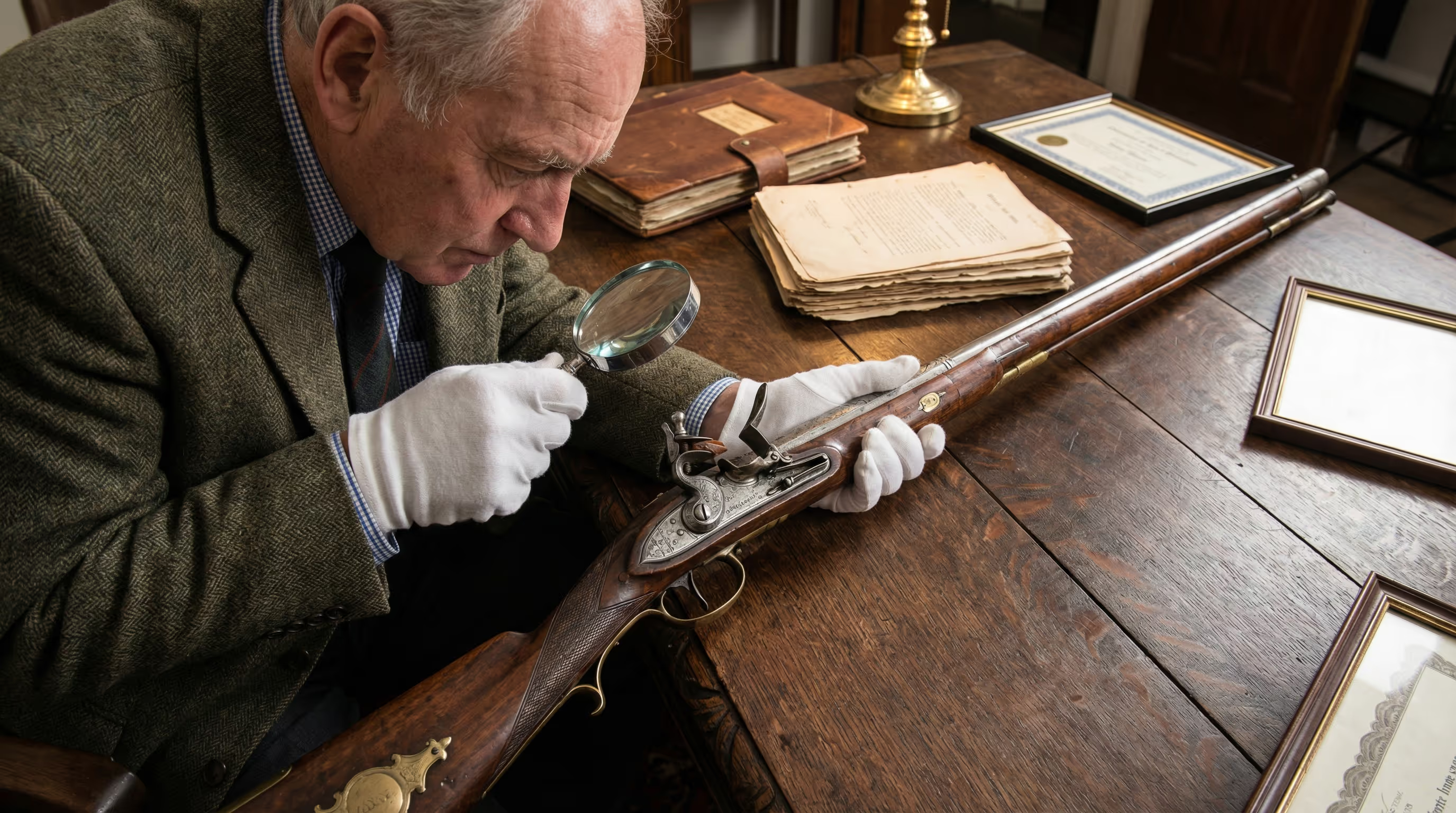
Professional appraiser examining an antique rifle with magnifying glass and documentation on a wooden table

Introduction

Whether you've inherited a family firearm, need insurance coverage for your collection, or you're settling an estate, getting an accurate antique gun appraisal can feel overwhelming. Many collectors, heirs, and gun owners face confusion about the appraisal process, wondering if their non-working firearm has value or whether online price guides provide sufficient documentation for legal purposes.

An antique gun appraisal is a professional opinion of fair market value based on condition, authenticity, rarity, and current market data. These formal evaluations serve critical purposes including insurance scheduling, estate settlement, charitable donations, and legal documentation. Unlike casual estimates from forums or price guides, professional appraisals follow recognized standards and provide defensible documentation accepted by courts, insurance companies, and the IRS.

Professional antique gun appraisals typically range from $150 to $500 per firearm, depending on complexity and research requirements, but can save thousands in proper insurance coverage or accurate estate valuations.

This guide will walk you through what antique gun appraisals really involve, debunk common misconceptions that could cost you money, and show you exactly how to choose a qualified appraiser who follows industry standards.

What is an antique gun appraisal and when do you need one?

An antique gun appraisal is a systematic evaluation that determines the fair market value of a firearm manufactured before 1899 or other historically significant firearms. The appraiser examines condition, originality, rarity, historical significance, and compares recent sales data to establish value at a specific date.

Professional appraisals differ significantly from informal valuations. A qualified appraiser produces a written report that includes detailed descriptions, photographs, research methodology, and value conclusions. These reports follow Uniform Standards of Professional Appraisal Practice (USPAP) guidelines, making them legally defensible documents.

You need a professional appraisal in several key situations. Estate settlement requires date-of-death fair market values for probate proceedings and tax purposes. Insurance companies need detailed appraisals to properly schedule high-value firearms beyond standard policy limits. If you're donating a firearm worth over $5,000 to a museum or charity, the IRS requires a qualified appraisal for tax deduction purposes.

Close-up of antique firearm serial numbers and markings being documented with measuring tools

Divorce proceedings and business dissolutions also require professional valuations for equitable property distribution. Before making a significant purchase, many collectors seek authentication and valuation to verify they're paying fair market price for genuine antique firearms.

How the antique gun appraisal process actually works

The appraisal process begins with defining your specific needs. Different purposes require different approaches - insurance appraisals focus on replacement cost, while estate appraisals determine fair market value at the date of death. You'll provide basic information about the firearm, including any known history, documentation, and clear photographs if the appraisal will be conducted remotely.

During inspection, the appraiser examines every aspect of the firearm. They check metal and wood components for originality, assess finish percentages, document any repairs or alterations, and verify markings and serial numbers. This physical examination can happen in person or through high-resolution photographs, depending on the appraiser's methodology and your location.

Research and authentication follow the inspection phase. The appraiser investigates production records, verifies manufacturer markings, and researches any claimed historical associations. They review comparable sales from auctions, private transactions, and dealer records to understand current market conditions for similar firearms.

Qualified appraisers spend 2-4 hours researching each firearm, examining auction records, dealer sales, and manufacturer documentation to ensure accurate market valuations.

The final step produces a comprehensive written report. This document includes detailed descriptions, condition assessments, photographs, research methodology, comparable sales analysis, and the appraiser's value conclusion. Professional reports also include the appraiser's credentials and certification that they followed recognized appraisal standards.

Common myths about antique gun appraisals debunked

Myth 1: Non-working antique guns cannot be appraised or have no value

This misconception costs owners thousands of dollars in undervalued firearms. Non-functional antique guns often retain significant value based on rarity, historical importance, and condition of remaining original components. Many collectors specifically seek non-firing examples for display purposes, and some rare firearms are worth more as historical artifacts than functional weapons.

Myth 2: Online price guides and forum opinions provide sufficient valuation

Generic price guides cannot account for specific condition issues, provenance, or current market fluctuations that dramatically affect individual firearm values. Professional appraisers examine your specific gun and research recent comparable sales, providing personalized valuations that online resources simply cannot match.

Myth 3: All appraisers are essentially the same

Appraiser qualifications vary dramatically. Some specialize in antique firearms with decades of experience, while others handle general personal property with limited firearms knowledge. Credentials, professional affiliations, and specific firearms expertise make enormous differences in appraisal accuracy and legal defensibility.

Comparison showing damaged vs pristine antique firearm conditions side by side

Myth 4: Appraisals tell you exactly what your gun will sell for

Appraisals provide fair market value opinions, not guaranteed selling prices. Market conditions, buyer preferences, and selling venues all influence actual transaction prices. However, professional appraisals give you realistic expectations and prevent significant over or under-pricing when selling.

How to choose a qualified antique gun appraiser

Start by verifying the appraiser's credentials and professional affiliations. Look for membership in recognized organizations like the American Society of Appraisers (ASA), International Society of Appraisers (ISA), or similar professional groups. These organizations require ongoing education, ethical standards, and peer review processes that ensure competency.

Experience with antique firearms specifically matters more than general appraisal experience. Ask potential appraisers about their firearms specialization, how many antique guns they've appraised recently, and whether they understand the unique aspects of pre-1899 firearms, military weapons, or your specific firearm type.

QualificationWhy It MattersQuestions to AskUSPAP TrainingLegal defensibilityDo you follow USPAP standards?Firearms ExperienceAccurate valuationsHow many antique guns have you appraised?Professional CredentialsQuality assuranceWhat organizations are you affiliated with?IndependenceUnbiased opinionsDo you buy or sell firearms?

Independence is crucial for unbiased valuations. Avoid appraisers who primarily operate as dealers, as they may have conflicts of interest when valuing firearms they might want to purchase. Professional appraisers focus on valuation services rather than buying and selling.

Request references from recent clients and ask about turnaround times, report quality, and overall satisfaction. Qualified appraisers should readily provide examples of their work and explain their methodology clearly. They should also be able to discuss their experience with your specific type of firearm and intended use for the appraisal.

Getting an accurate antique gun appraisal protects your financial interests whether you're insuring a collection, settling an estate, or preparing for a sale. Professional appraisers bring specialized knowledge, systematic methodology, and legal credibility that generic price guides and casual opinions cannot provide. By choosing a qualified, experienced appraiser who follows industry standards, you ensure your valuable firearms receive proper documentation and fair market valuations.

Ready to get your antique firearms professionally appraised? AppraiseItNow connects you with USPAP-compliant appraisers nationwide who specialize in antique firearms and provide legally defensible reports accepted by insurance companies, courts, and the IRS.

Frequently Asked Questions About Antique Gun Appraisals

Can a non-working antique gun still be appraised and have value?

Yes, non-working antique guns can absolutely be appraised and often retain significant value. Many collectors specifically seek non-firing examples for display purposes, and rare firearms are frequently worth more as historical artifacts than functional weapons. Value is determined by rarity, historical importance, condition of original components, and provenance rather than functionality alone.

How much does a professional antique gun appraisal cost?

Professional antique gun appraisals typically range from $150 to $500 per firearm, depending on complexity and research requirements. The cost varies based on the appraiser's time, scope of research needed, and whether you need a formal written report for insurance, estate, or legal purposes versus an informal verbal estimate.

What's the difference between online price guides and professional appraisals?

Online price guides provide generic estimates that cannot account for your specific firearm's condition, provenance, or current market fluctuations. Professional appraisers examine your actual gun, research recent comparable sales, and provide personalized valuations with legally defensible documentation accepted by insurance companies, courts, and the IRS.

When do I need a formal written appraisal versus a casual estimate?

You need a formal written appraisal for insurance scheduling, estate settlement, charitable donations over $5,000, divorce proceedings, or any legal documentation. Casual estimates may suffice for personal curiosity or initial selling decisions, but only USPAP-compliant written reports provide the defensible documentation required by third parties.

Related Appraisals We Offer

Related Articles

BEST-IN-CLASS APPRAISERS, CREDENTIALED BY: