Antique Gun Appraisal vs Evaluation: Understanding the Key Differences and Value Factors

Last Updated on Nov 05, 2025
Originally Published on Nov 05, 2025
Thank you! Your submission has been received!
Oops! Something went wrong while submitting the form.
Nationwide Service
Onsite or Online
USPAP-Compliant
IRS Qualified
DEFENSIBLE, USPAP-COMPLIANT APPRAISAL REPORTS — ACCEPTED BY 10,000+ ORGANIZATIONS
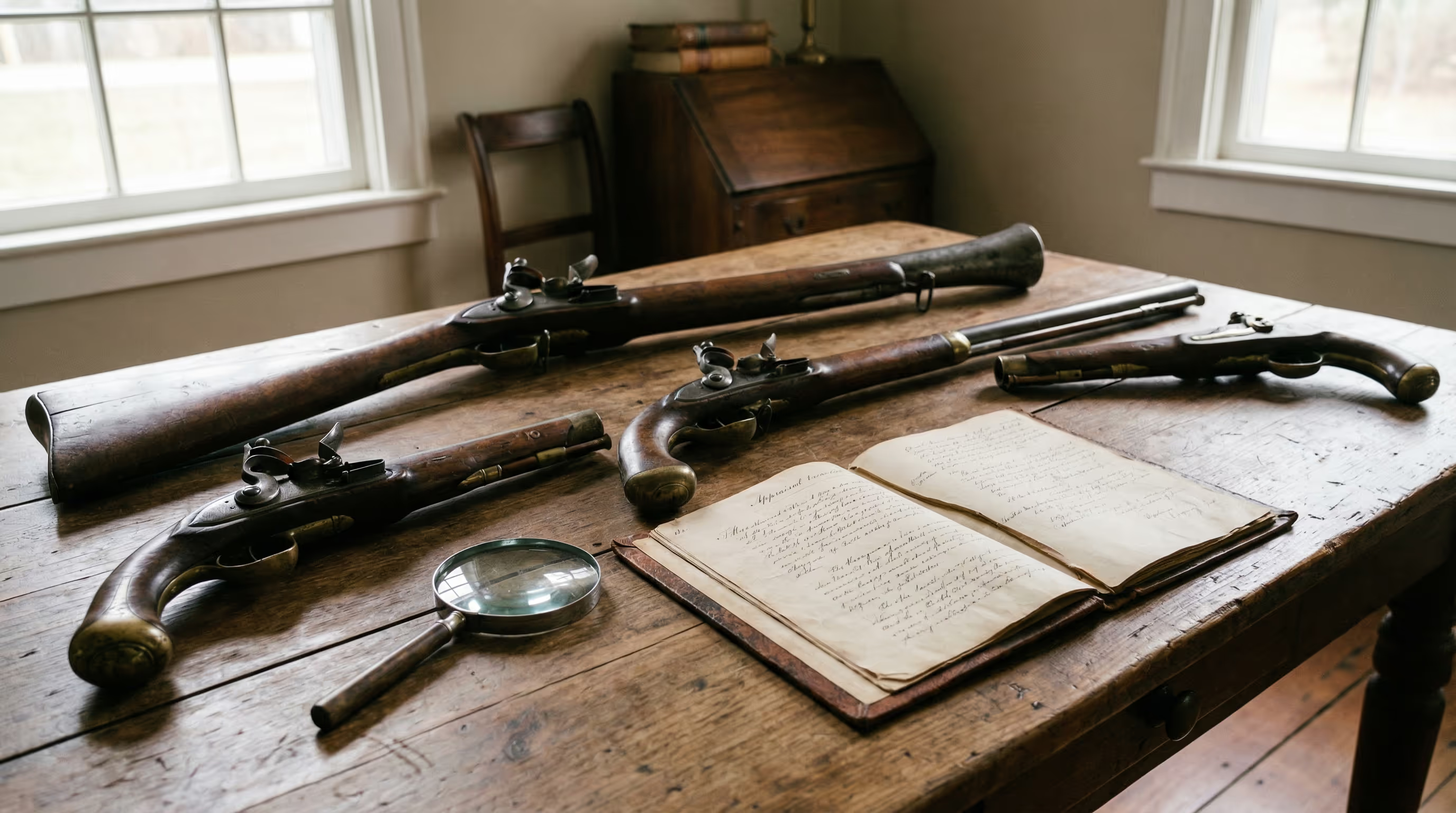
Antique gun collection displayed on wooden table with magnifying glass and documents

When you inherit your grandfather's Civil War revolver or discover an old Winchester in the attic, your first question is likely "What is this worth?" The answer depends on whether you need a formal appraisal or a simple evaluation. An appraisal provides a certified, written assessment of fair market value typically required for insurance, estate planning, or legal purposes, while an evaluation offers an informal estimate based on condition and basic research.

Quick Answer: Appraisals are formal, written documents by certified professionals for official purposes, while evaluations are informal assessments focusing on condition and general value estimates.

Understanding this distinction can save you time, money, and ensure you get the right service for your specific needs. Whether you're planning to sell, insure, or simply satisfy your curiosity about that family heirloom, knowing when to choose each option makes all the difference.

What qualifies as an antique firearm and why it matters

Before diving into appraisals versus evaluations, you need to understand what makes a firearm "antique." Under federal law, any firearm manufactured before 1898 is considered an antique, which affects both its legal status and market value.

This date matters because antique firearms are generally exempt from federal firearms regulations, making them more accessible to collectors. However, the collectible market often extends this definition to include early 20th-century firearms, particularly those with historical significance or unique manufacturing features.

The age classification directly impacts value because true antiques often command premium prices due to their rarity and historical importance. A Colt Single Action Army from 1895 will typically be worth significantly more than an identical model from 1905, even if both are in similar condition.

Close-up of antique revolver showing serial number and manufacturing marks

Understanding appraisals for antique guns

A formal appraisal is a comprehensive, written assessment conducted by a certified professional who follows established industry standards. When you commission an appraisal, you're getting much more than an educated guess about value.

The appraiser conducts extensive research into your firearm's history, manufacturer records, and current market conditions. They examine every aspect of the gun, from bore condition to original finishes, and document their findings in a detailed report that meets legal and insurance requirements. Understanding the appraisal process of an antique gun can help you prepare for what to expect.

This process typically takes several days to weeks, depending on the firearm's complexity and rarity. The resulting document includes photographs, detailed condition descriptions, comparable sales data, and a certified value statement that courts, insurance companies, and estate planners will accept.

Important Note: USPAP-compliant appraisals are required for insurance claims over certain amounts, estate valuations, and charitable donations exceeding $5,000.

How evaluations differ from formal appraisals

An evaluation takes a more streamlined approach, focusing primarily on condition assessment and general market positioning. Think of it as a professional's educated opinion rather than a legally defensible document.

During an evaluation, an expert examines your firearm's physical condition, identifies the make and model, and provides a rough value estimate based on their experience and knowledge of current market trends. This process usually happens quickly, often within a single consultation.

Evaluations work well when you need a ballpark figure for selling purposes or want to understand whether a formal appraisal is worth the investment. However, they lack the research depth and documentation necessary for official purposes like insurance or estate planning.

The cost difference is significant too. While a formal appraisal might cost several hundred dollars, an evaluation typically runs much less, making it an economical first step in understanding your firearm's worth.

Key factors that determine antique gun value

Several critical elements influence how much your antique firearm is worth, and understanding these helps you communicate effectively with appraisers or evaluators. Learning unique tips to help determine the value of an antique gun can give you additional insight into the valuation process.

Condition stands as the most important factor. The bore condition, original finish percentage, mechanical function, and presence of all original parts dramatically affect value. A gun in excellent condition with 90% original finish might be worth ten times more than the same model with heavy wear and replaced parts.

Rarity and historical significance also play crucial roles. Limited production runs, famous manufacturer associations, or connections to historical events can multiply a firearm's value far beyond its utilitarian worth.

Provenance and documentation provide additional value when available. Original boxes, papers, or documented ownership history can significantly increase worth, especially for high-end pieces.

Condition GradeDescriptionValue ImpactExcellent (90%+)Minimal wear, original finishPremium pricingVery Good (75-89%)Light wear, good finishStandard market valueGood (60-74%)Moderate wear, some finish lossReduced valueFair (Below 60%)Heavy wear, significant issuesCollector/parts value only

Professional appraiser examining antique rifle with specialized tools and reference books

When to choose appraisal versus evaluation

Your specific situation determines which service you need. Choose a formal appraisal when dealing with insurance requirements, estate planning, legal disputes, or charitable donations. These situations demand the credibility and documentation that only certified appraisals provide.

Evaluations work better for preliminary assessments before selling, satisfying personal curiosity, or determining whether a formal appraisal is justified. If you're considering selling at a gun show or through a dealer, an evaluation gives you the knowledge needed to negotiate effectively. Before making your decision, review what to expect during an antique gun appraisal to understand the full scope of each option.

Consider the potential value too. For firearms likely worth less than $1,000, an evaluation often provides sufficient information without the expense of formal appraisal. However, rare or historically significant pieces warrant the investment in professional documentation.

Remember that antique guns typically appreciate in value over time, unlike modern firearms that may depreciate. This appreciation potential makes accurate valuation even more important for insurance and estate planning purposes. To maximize accuracy, consider tips for getting the most accurate antique gun appraisal when you're ready to proceed.

The choice between appraisal and evaluation ultimately depends on your goals, timeline, and budget. Both services have their place in the antique firearms world, and understanding their differences ensures you get exactly what you need for your specific situation. Whether you're protecting a valuable collection or simply satisfying curiosity about a family heirloom, finding the right antique gun appraiser provides the knowledge and confidence to make informed decisions about your antique firearms.

FAQ

What is the main difference between an antique gun appraisal and evaluation?

An appraisal provides a formal, certified written assessment of fair market value by a qualified professional, typically required for insurance, estate planning, or legal purposes. An evaluation offers an informal estimate based on condition and general market knowledge, useful for preliminary assessments or personal curiosity but not legally binding.

How much does an antique gun appraisal cost?

Formal appraisals typically cost several hundred dollars, depending on the firearm's complexity and rarity, while evaluations are much less expensive. The investment in a formal appraisal is worthwhile for valuable pieces or when official documentation is required for insurance or estate purposes.

Do antique guns appreciate or depreciate in value?

Antique guns typically appreciate in value over time, unlike modern firearms that may depreciate. This appreciation is driven by their rarity, historical significance, and collector demand. However, condition remains crucial - poor maintenance or modifications can significantly reduce value.

When should I get my antique gun appraised versus evaluated?

Choose a formal appraisal for insurance requirements, estate planning, legal disputes, or charitable donations. Opt for an evaluation when you need a preliminary assessment before selling, want to satisfy personal curiosity, or need to determine if a formal appraisal is justified for firearms likely worth less than $1,000.

Related Appraisals We Offer

Related Articles

BEST-IN-CLASS APPRAISERS, CREDENTIALED BY: