Antique Gun Appraisal Types, Process, and Value Factors Guide 2025

Last Updated on Dec 24, 2025
Originally Published on Dec 24, 2025
Thank you! Your submission has been received!
Oops! Something went wrong while submitting the form.
Nationwide Service
Onsite or Online
USPAP-Compliant
IRS Qualified
DEFENSIBLE, USPAP-COMPLIANT APPRAISAL REPORTS — ACCEPTED BY 10,000+ ORGANIZATIONS
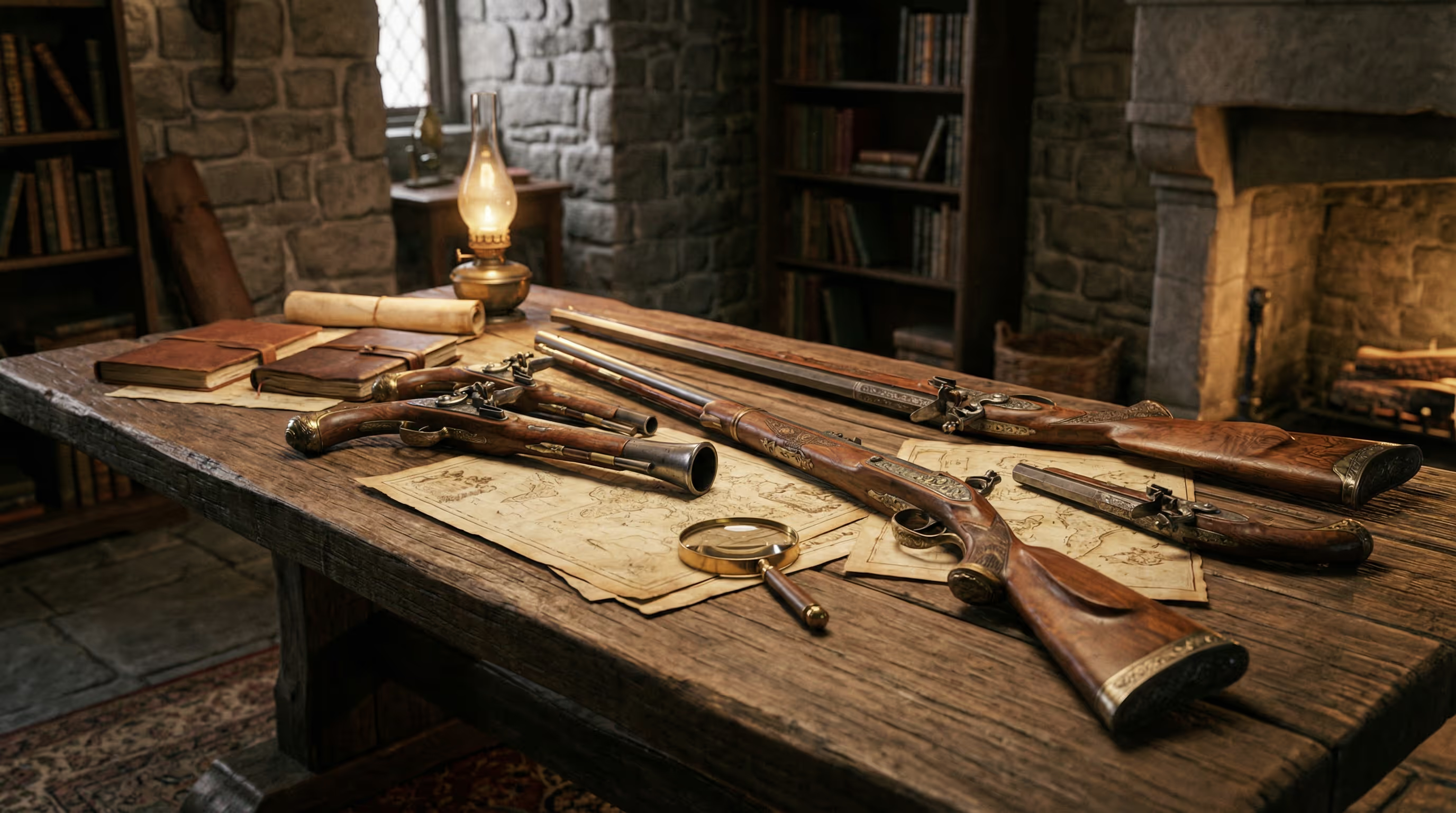
Antique gun collection displayed on wooden table with appraisal documents

If you own an antique firearm manufactured before 1898, you might be sitting on a valuable piece of history worth thousands of dollars. Professional antique gun appraisals help determine the true market value of these historic weapons, whether you need insurance coverage, plan to sell, or want to donate for tax purposes.

The value of antique guns depends on multiple factors including age, condition, rarity, and historical significance. Understanding the different types of appraisals available and what influences your firearm's worth can help you make informed decisions about your collection.

Key Insight: According to ATF regulations, firearms manufactured before 1898 are classified as antiques and don't require federal licensing for ownership, making them popular among collectors and investors.

Understanding antique gun classifications

The Bureau of Alcohol, Tobacco, Firearms and Explosives defines antique firearms as those manufactured in or before 1898, including replicas that use black powder or similar charges. This classification covers a wide range of weapons from flintlock pistols to early cartridge rifles.

Common antique gun categories include muzzleloaders like muskets and rifles, percussion cap firearms, early cartridge guns, and black powder revolvers. Each category has distinct characteristics that affect value, with some types being more sought after by collectors than others.

The condition and authenticity of these weapons play crucial roles in determining value. Original components, matching serial numbers, and proper documentation significantly impact appraisal results. For those new to this process, our beginner's guide to antique gun appraisals provides essential foundational knowledge.

Close-up of antique flintlock pistol showing detailed craftsmanship and markings

Types of antique gun appraisals available

Three main types of antique gun appraisals serve different purposes and provide varying levels of detail. Insurance appraisals establish replacement values for coverage purposes, typically resulting in higher valuations to account for retail replacement costs.

Market appraisals determine fair market value for selling purposes, reflecting what buyers would realistically pay in current market conditions. These appraisals consider recent sales data, auction results, and current demand trends.

Tax appraisals are used for charitable donations and estate planning, requiring strict adherence to IRS guidelines and USPAP standards. These appraisals often fall between insurance and market values, focusing on documented comparable sales. Understanding the difference between an appraisal and an evaluation of an antique gun helps ensure you request the right service for your needs.

Appraisal TypePurposeTypical Value RangeDocumentation LevelInsuranceCoverage protectionHighest (retail replacement)Comprehensive reportMarketSale preparationModerate (fair market)Detailed analysisTaxDonation/estateIRS compliantExtensive documentation

Important Note: Each appraisal type requires different methodologies and documentation standards, so choosing the right type for your specific needs is essential for accurate results.

Key factors that influence antique gun value

The condition of your antique firearm is the most significant factor affecting its value. Professional appraisers use standardized grading systems, with the National Rifle Association condition standards being widely recognized in the industry.

Rarity and historical significance can dramatically increase value. Firearms with documented military service, famous ownership, or connection to historical events often command premium prices. Manufacturing details like limited production runs or unique features also boost value.

Original components and matching numbers are crucial for maintaining value. Modifications, replacements, or repairs typically reduce worth unless performed by period craftsmen using appropriate materials and techniques. To better understand these nuances, explore our 4 unique tips to help determine the value of an antique gun.

Market demand fluctuates based on collector interest, historical anniversaries, and cultural trends. Certain manufacturers or time periods may experience increased demand, affecting values across entire categories of antique firearms.

Antique gun appraisal process showing appraiser examining firearm with magnifying glass

The professional appraisal process explained

Professional antique gun appraisals begin with a thorough physical examination of the firearm. Certified appraisers inspect every component, documenting condition, originality, and any modifications or repairs that may affect value.

Research follows the initial examination, with appraisers consulting historical records, manufacturer databases, and recent sales data. This research phase often reveals important details about production numbers, historical significance, and market trends. Learning what to expect during an antique gun appraisal can help you prepare properly.

Comparable sales analysis helps establish current market values by examining recent auction results and private sales of similar firearms. Appraisers consider condition differences and adjust values accordingly to reflect your specific firearm's characteristics.

The final appraisal report includes detailed descriptions, high-quality photographs, condition assessments, and value conclusions. Professional reports meet industry standards and are accepted by insurance companies, courts, and tax authorities.

Professional Tip: Gathering any available documentation about your firearm's history, previous ownership, or provenance before the appraisal can significantly enhance the final valuation and report quality.

Getting your antique firearm professionally appraised provides valuable insights into its worth and historical significance. Whether you need insurance coverage, plan to sell, or want to understand your collection's value, working with certified appraisers ensures accurate, defensible valuations.

The investment in professional appraisal services typically pays for itself through proper insurance coverage, informed selling decisions, or maximized tax benefits. When you're ready to proceed, knowing how to find the right antique gun appraiser and understanding the benefits of professional antique gun appraisals will help you make the best choice. AppraiseItNow connects you with qualified antique gun appraisers who understand the complexities of historic firearm valuation and provide USPAP-compliant reports accepted by major institutions nationwide.

FAQ

What are the different types of antique gun appraisals available?

There are three main types of antique gun appraisals: Insurance appraisals establish replacement values for coverage purposes and typically result in higher valuations; Market appraisals determine fair market value for selling purposes based on current market conditions and recent sales data; Tax appraisals are used for charitable donations and estate planning, requiring strict adherence to IRS guidelines and USPAP standards.

What factors most significantly influence an antique gun's value?

The condition of your antique firearm is the most significant factor, followed by rarity and historical significance. Original components and matching serial numbers are crucial for maintaining value, while modifications or repairs typically reduce worth. Manufacturing details like limited production runs, famous ownership, or connection to historical events can dramatically increase value.

How does the professional antique gun appraisal process work?

The process begins with a thorough physical examination where certified appraisers inspect every component and document condition and originality. This is followed by research consulting historical records, manufacturer databases, and recent sales data. Appraisers then conduct comparable sales analysis and provide a final report with detailed descriptions, photographs, condition assessments, and value conclusions that meet industry standards.

What qualifies a firearm as an antique under federal regulations?

According to ATF regulations, firearms manufactured before 1898 are classified as antiques and don't require federal licensing for ownership. This classification includes replicas that use black powder or similar charges, covering muzzleloaders like muskets and rifles, percussion cap firearms, early cartridge guns, and black powder revolvers.

Related Appraisals We Offer

Related Articles

BEST-IN-CLASS APPRAISERS, CREDENTIALED BY: