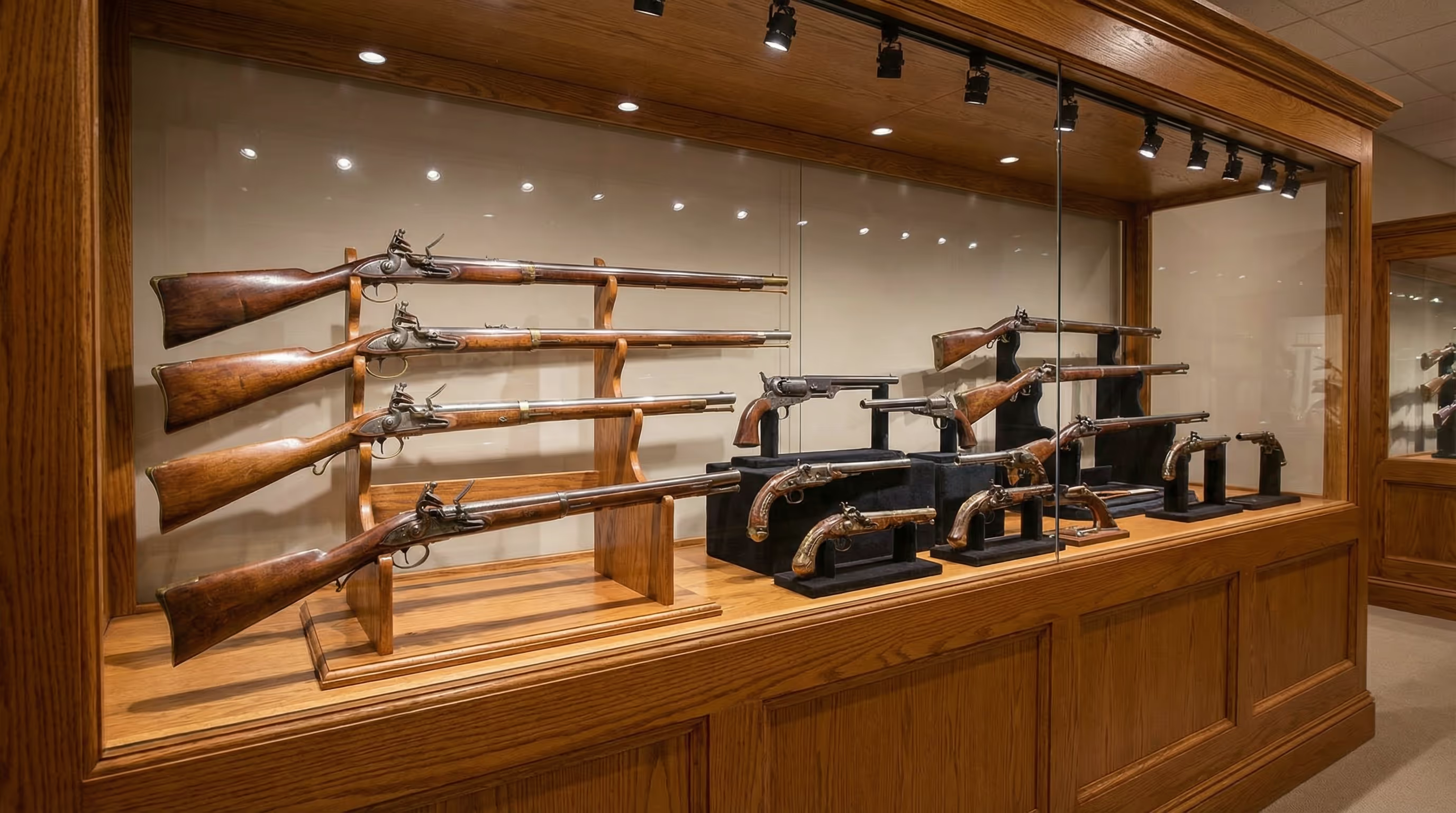
Whether you've inherited a Civil War musket, discovered an old revolver in your attic, or need to value a collection for insurance purposes, getting an accurate antique firearm appraisal can feel overwhelming. The difference between a proper professional evaluation and a casual guess could mean thousands of dollars in insurance coverage, tax implications, or resale value.
An antique firearm appraisal is a professional assessment that determines the fair market value of guns manufactured in or before 1898, though some definitions extend to early 20th century firearms. Unlike a quick estimate from a gun shop, a formal appraisal provides documented research, market analysis, and USPAP-compliant reporting that courts, insurance companies, and the IRS will accept.
Quick Answer: Look for appraisers with American Society of Appraisers (ASA) or International Society of Appraisers (ISA) credentials, specific antique firearms experience, and USPAP compliance. Expect to pay $200-500 per item for written reports, with verbal evaluations sometimes available at lower costs.
This guide walks you through everything you need to know about choosing the right appraiser, understanding different types of valuations, and preparing for the appraisal process.
Antique firearms require specialized knowledge that goes far beyond what most general appraisers possess. These weapons often have complex manufacturing histories, unique markings, and condition factors that dramatically affect value in ways that don't apply to modern firearms.
The legal definition of "antique firearm" typically includes weapons manufactured in or before 1898, though this varies by jurisdiction. Some collectors and appraisers extend this to include early 20th century pieces, particularly those with historical significance. Understanding these distinctions matters because it affects both legal considerations and market value.
What makes these appraisals particularly challenging is that condition, provenance, and historical documentation can swing values by thousands of dollars. A Civil War-era Colt revolver in excellent condition with documented military service might be worth $15,000, while the same model in poor condition without provenance could be valued at $2,000. For a deeper understanding of what factors determine antique gun values, it's essential to work with experienced professionals.

The type of appraisal you need depends entirely on how you plan to use it. Fair market value appraisals estimate what your firearm would sell for between willing buyers and sellers in the current market. This is what you'll need for estate planning, tax purposes, charitable donations, and most insurance policies.
Replacement value appraisals focus on what it would cost to replace your antique with a comparable item today. Insurance companies sometimes prefer this approach because it reflects the actual cost they might face in a claim. However, for truly rare antiques, replacement might be impossible, making this approach less practical.
Resale or liquidation value represents what you could expect if you needed to sell quickly, typically 60-80% of fair market value. This is useful for estate planning when heirs need to understand realistic sale proceeds. Understanding the different types of antique gun appraisals helps ensure you get the right evaluation for your specific needs.
The format matters too. Verbal appraisals work for casual inquiries or preliminary assessments, but written reports with photographs and detailed research are essential for insurance, legal matters, or significant financial decisions. Courts, the IRS, and insurance companies typically require formal written documentation.
Important Note: Insurance companies increasingly require updated appraisals every 3-5 years for high-value items, as antique firearm markets can shift significantly due to collector trends and regulatory changes.
Professional credentials separate qualified appraisers from enthusiasts offering opinions. Look for membership in recognized organizations like the American Society of Appraisers (ASA), International Society of Appraisers (ISA), or Appraisers Association of America (AAA). These organizations require continuing education, ethical standards, and peer review.
USPAP (Uniform Standards of Professional Appraisal Practice) compliance is crucial if your appraisal will be used for legal, tax, or insurance purposes. USPAP training ensures the appraiser follows standardized methodology and documentation requirements that courts and government agencies recognize.
Firearms-specific experience matters enormously. An appraiser might be excellent with jewelry or art but lack the specialized knowledge needed for antique weapons. Ask specifically about their experience with firearms from your gun's era and type. Someone who primarily appraises modern sporting rifles may not understand the nuances of 19th-century military weapons. When you're ready to find the right antique gun appraiser, make sure to verify their qualifications thoroughly.
Don't hesitate to ask for references, especially from insurance companies, estate attorneys, or auction houses. Established appraisers should be comfortable providing examples of their work and discussing their methodology.

Condition dominates everything else in antique firearm valuation. Original finish, mechanical function, and bore condition can make or break value. Ironically, many well-meaning owners damage value by cleaning or refinishing guns to make them "look better." Original patina and wear patterns often add authenticity and value that modern refinishing destroys.
Rarity plays a huge role, but it's more nuanced than just production numbers. A gun might have been made in large quantities originally, but few survive in good condition. Conversely, some limited-production pieces have little collector interest, limiting their market value despite scarcity.
Provenance and historical documentation can multiply value dramatically. A documented Civil War service record, original purchase receipt, or family letters describing the gun's history provide authentication and story that collectors prize. Even reproduction documentation from military archives can add significant value.
Markings and serial numbers help establish authenticity, manufacturing date, and specific model variations. Expert appraisers know how to research these markings through manufacturer records, military archives, and collector databases. Sometimes a single marking difference can distinguish between a common variant and a rare collector's piece. Learn more about what to look for when appraising an antique gun to understand these critical details.
Market conditions affect values too. Political climate, regulatory changes, and collector trends all influence what buyers will pay. A knowledgeable appraiser stays current with auction results, dealer prices, and market sentiment.
Pro Tip: Never clean, oil, or attempt repairs before an appraisal. What looks like helpful maintenance to you might eliminate valuable original finish or alter important markings that affect authentication and value.
When you're ready to move forward with an antique firearm appraisal, preparation makes the process smoother and more accurate. Gather any documentation you have, including previous appraisals, purchase records, family history, or military service records. Even old photographs showing the gun in family collections can provide valuable provenance information. To ensure you're fully prepared, review these tips for getting the most accurate antique gun appraisal before your appointment.
At AppraiseItNow, we specialize in USPAP-compliant antique firearm appraisals for insurance, estate, and legal purposes. Our certified appraisers combine decades of firearms expertise with the professional standards that courts, insurance companies, and the IRS require. Whether you need a single gun evaluated or an entire collection assessed, we provide detailed written reports with comprehensive research and current market analysis.
Look for appraisers with credentials from recognized organizations like the American Society of Appraisers (ASA), International Society of Appraisers (ISA), or Appraisers Association of America (AAA). They should have USPAP (Uniform Standards of Professional Appraisal Practice) training and specific experience with antique firearms. Verify they can provide sample reports and references from insurance companies, estate attorneys, or auction houses.
Professional antique gun appraisals typically cost $200-500 per item for written reports, depending on complexity and research required. Appraisers usually charge hourly rates or flat fees rather than percentages of the gun's value to avoid conflicts of interest. Additional costs may apply for travel, rush service, or extensive historical research.
Many qualified appraisers can provide preliminary valuations from detailed photos, especially for common models. However, for high-value firearms, unusual pieces, or formal appraisals needed for legal, estate, or insurance purposes, an in-person inspection is often recommended to verify condition, originality, and mechanical function accurately.
Insurance companies typically require updated appraisals every 3-5 years for high-value items, as antique firearm markets can shift significantly due to collector trends and regulatory changes. You should also consider updating your appraisal after any restoration work, discovery of new provenance documentation, or major changes in market conditions.