Antique and Heritage Furniture Appraisals: Complete Process and Cost Guide

Last Updated on Nov 14, 2025
Originally Published on Nov 14, 2025
Thank you! Your submission has been received!
Oops! Something went wrong while submitting the form.
Nationwide Service
Onsite or Online
USPAP-Compliant
IRS Qualified
DEFENSIBLE, USPAP-COMPLIANT APPRAISAL REPORTS — ACCEPTED BY 10,000+ ORGANIZATIONS
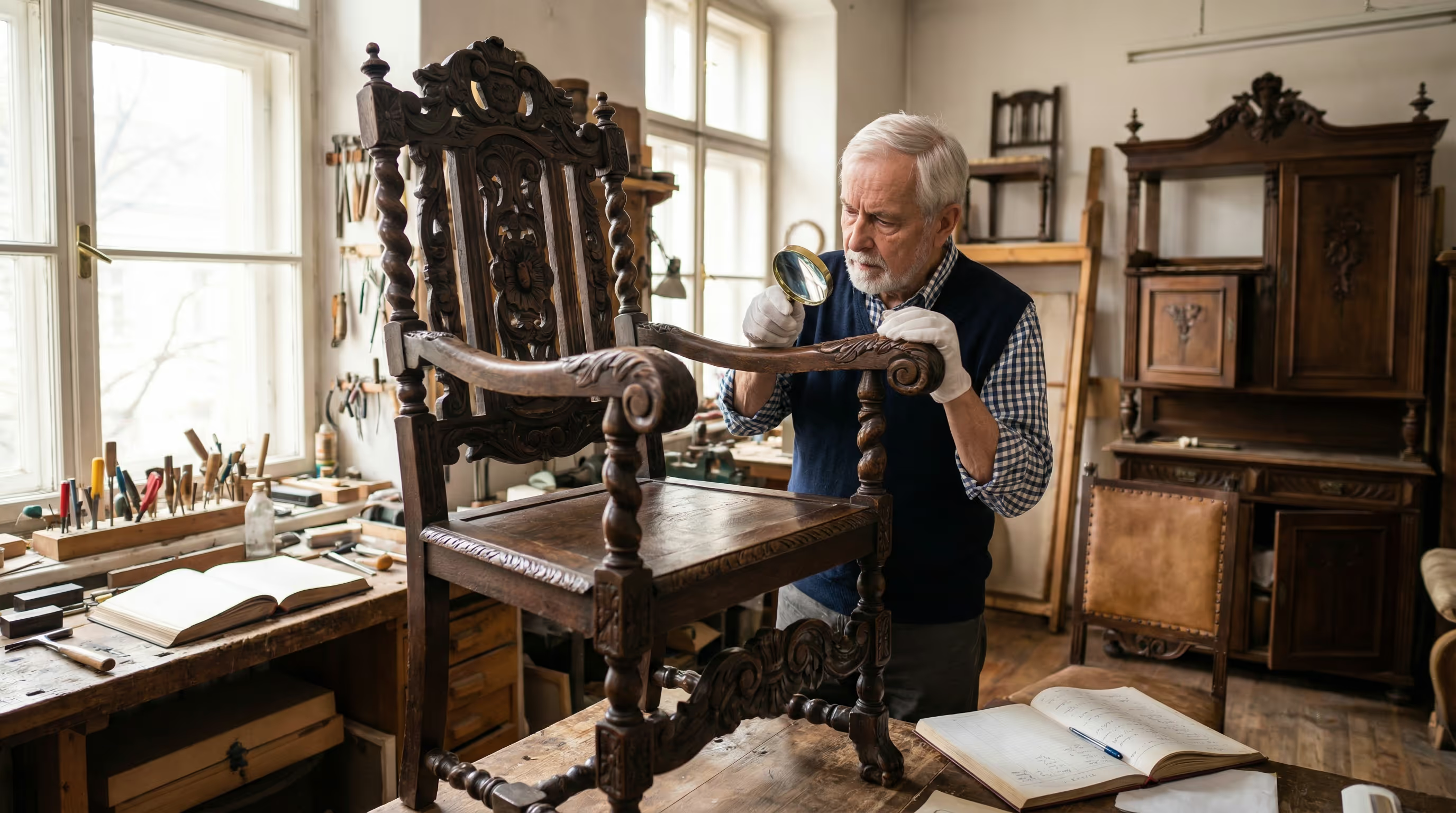
Professional furniture appraiser examining an ornate antique wooden chair

Whether you've inherited a family heirloom, need insurance coverage for valuable pieces, or are planning to sell antique furniture, getting a professional appraisal is often your first step. An antique furniture appraisal provides a written opinion of value based on thorough research and inspection by a certified professional. Unlike casual estimates from dealers or online tools, these formal reports meet legal standards for insurance claims, estate planning, tax deductions, and court proceedings.

Professional furniture appraisals typically cost between $100 and $500 per piece, depending on complexity and research required. The process involves detailed examination of age, condition, provenance, and current market trends to determine accurate value for your specific needs.

Key insight: Most homeowner's insurance policies have sub-limits of $1,000-$2,500 for furniture, meaning valuable antique pieces often need separate documentation and coverage to be fully protected.

This guide walks you through everything you need to know about getting your antique or heritage furniture professionally appraised, from understanding when you need one to preparing your pieces for evaluation.

Understanding antique vs heritage furniture appraisals

The terms "antique" and "heritage" furniture often get used interchangeably, but they have distinct meanings that affect how appraisers approach valuation.

Antique furniture refers to pieces that are at least 100 years old. Age alone doesn't determine value, but it's a key factor appraisers consider when researching comparable sales and market trends. A piece from the 1920s might be vintage or collectible, but it wouldn't technically qualify as an antique.

Heritage furniture encompasses pieces with family or cultural significance, regardless of age. This might include a handcrafted dining table passed down through generations or furniture representing specific cultural traditions. While heritage pieces may not always have high market value, they often carry sentimental worth that affects insurance and estate planning decisions.

Heritage family dining table with historical documents and vintage family photos

Both categories require professional assessment because value depends on multiple factors beyond age or family history. An appraiser evaluates craftsmanship, materials, condition, maker's marks, and current market demand to determine accurate worth. Even pieces with strong family connections need objective valuation for insurance, legal, or tax purposes.

The appraisal approach differs slightly between categories. Antique evaluations focus heavily on historical research, comparable sales, and market trends. Heritage appraisals may place additional emphasis on provenance documentation and cultural significance, especially when the family history adds to the piece's story and value.

When you need a professional furniture appraisal

Several situations require formal appraisal documentation rather than casual estimates or online valuations.

Insurance coverage represents the most common need. Standard homeowner's policies typically limit furniture coverage to $1,000-$2,500 total, with individual item limits often much lower. If you own valuable antique pieces, you'll need professional appraisals to secure adequate coverage through scheduled personal property riders or separate policies.

Estate planning and probate proceedings require accurate valuations for tax purposes and fair distribution among heirs. The IRS accepts only qualified appraisals for estate tax calculations, and probate courts rely on professional valuations when settling disputes over inheritance divisions.

Important note: For charitable donations valued over $5,000, the IRS requires a qualified appraisal from a certified professional. The appraiser must meet specific credential requirements and cannot have a financial interest in the donated property.

Divorce proceedings often involve dividing valuable furniture collections. Courts require objective, professional valuations to ensure equitable distribution of marital assets. Having current appraisals prevents disputes and speeds the legal process.

Selling decisions benefit from professional appraisals when you're unsure of value or considering auction versus private sale. Understanding what to consider before selling antique furniture helps you set appropriate reserves at auction or negotiate confidently in private transactions.

The professional appraisal process explained

Understanding what happens during a professional furniture appraisal helps you prepare effectively and know what to expect.

The process typically begins with an initial consultation where you describe the pieces, their history, and your appraisal purpose. The appraiser explains their methodology, discusses fees, and schedules the inspection. This conversation helps determine whether you need fair market value, replacement value, or another specific type of appraisal.

During the physical examination, the appraiser conducts a detailed inspection of each piece. They photograph the furniture from multiple angles, document dimensions, examine construction techniques, and look for maker's marks or signatures. The appraiser also assesses condition, noting any damage, repairs, or alterations that affect value.

Research and analysis follow the inspection. The appraiser investigates the piece's history, researches comparable sales, and analyzes current market trends. This phase often takes the most time, especially for rare or unusual pieces requiring extensive research into maker histories and auction records.

Furniture appraiser examining maker marks on antique furniture with magnifying glass and research materials

Value determination combines all gathered information to reach a professional opinion of worth. The appraiser considers age, condition, rarity, provenance, and market demand to arrive at an appropriate value for your stated purpose. Understanding the process of an antique furniture appraisal helps set realistic expectations for timelines and outcomes.

The final step produces a written report documenting the appraiser's findings, methodology, and conclusions. Professional reports include detailed descriptions, photographs, research citations, and the appraiser's credentials. These reports meet legal standards for insurance, tax, and court purposes.

Preparing your furniture for appraisal success

Proper preparation ensures accurate appraisals and protects valuable pieces during the evaluation process.

Start by gathering any documentation related to your furniture. This includes purchase receipts, previous appraisals, family records, photographs showing the piece in different time periods, and any information about makers or origins. Even incomplete documentation helps appraisers research provenance and history.

Take your own photographs before the appraiser arrives, focusing on overall views and detail shots of maker's marks, hardware, or decorative elements. These serve as condition records and can be helpful if you need to move pieces for the appraisal.

Handle antique furniture carefully when preparing for inspection. Avoid aggressive cleaning that might damage finishes or remove important patina. Instead, gently dust surfaces with soft cloths and ensure the appraiser can access all sides of each piece safely. Learning how to properly prepare for an antique furniture appraisal maximizes the accuracy of your valuation.

Consider the structural integrity before moving furniture. Antique pieces may have loose joints, fragile veneers, or other weaknesses that require special handling. If you're unsure about moving a piece safely, discuss this with your appraiser beforehand.

Create a complete inventory of items you want appraised, including any matching sets or related pieces. Comprehensive documentation helps ensure nothing gets overlooked and allows the appraiser to plan adequate time for the evaluation. Additionally, understanding tips on collecting and caring for antique furniture can help maintain value between appraisals.

Professional furniture appraisals provide the accurate, defensible valuations you need for insurance, legal, and financial decisions. By understanding the process, preparing properly, and working with qualified appraisers, you protect your valuable pieces and make informed decisions about your furniture collection. Whether dealing with century-old antiques or cherished family heirlooms, professional appraisal gives you the documentation and peace of mind that comes with knowing true value.

Antique and Heritage Furniture Appraisal FAQs

How do I know if my furniture is worth appraising?

Furniture is typically worth appraising if it's over 50 years old, made by a known manufacturer, constructed from solid wood, has unique design elements, or carries family significance. Look for maker's marks, labels, or signatures that indicate quality craftsmanship. Even if you're unsure, a brief consultation with a certified appraiser can help determine if a formal appraisal would be beneficial for insurance or estate planning purposes.

How much does an antique furniture appraisal cost?

Professional furniture appraisals typically cost between $100 and $500 per piece, depending on the complexity of research required and the appraiser's methodology. Most certified appraisers charge either an hourly rate or a flat project fee based on the number of items and scope of work. Avoid appraisers who charge a percentage of the item's value, as this violates professional standards and creates conflicts of interest.

Can I get an accurate appraisal from photos alone?

While high-quality photos can provide preliminary value estimates, they rarely meet the standards required for insurance, IRS, or legal purposes. Physical inspection allows appraisers to examine construction techniques, assess condition accurately, and verify authenticity through hands-on evaluation. For formal appraisal reports needed for insurance coverage, estate planning, or charitable donations, an in-person examination by a USPAP-compliant appraiser is typically required.

How often should I have my antique furniture reappraised?

Most insurance companies recommend updating furniture appraisals every 3-5 years to reflect current market values and ensure adequate coverage. You should also consider reappraisal after significant market changes, restoration work, damage, or when the piece's condition has notably improved or deteriorated. For estate planning purposes, appraisals should be updated whenever there are major changes in your financial planning or family circumstances.

Related Appraisals We Offer

Related Articles

BEST-IN-CLASS APPRAISERS, CREDENTIALED BY: