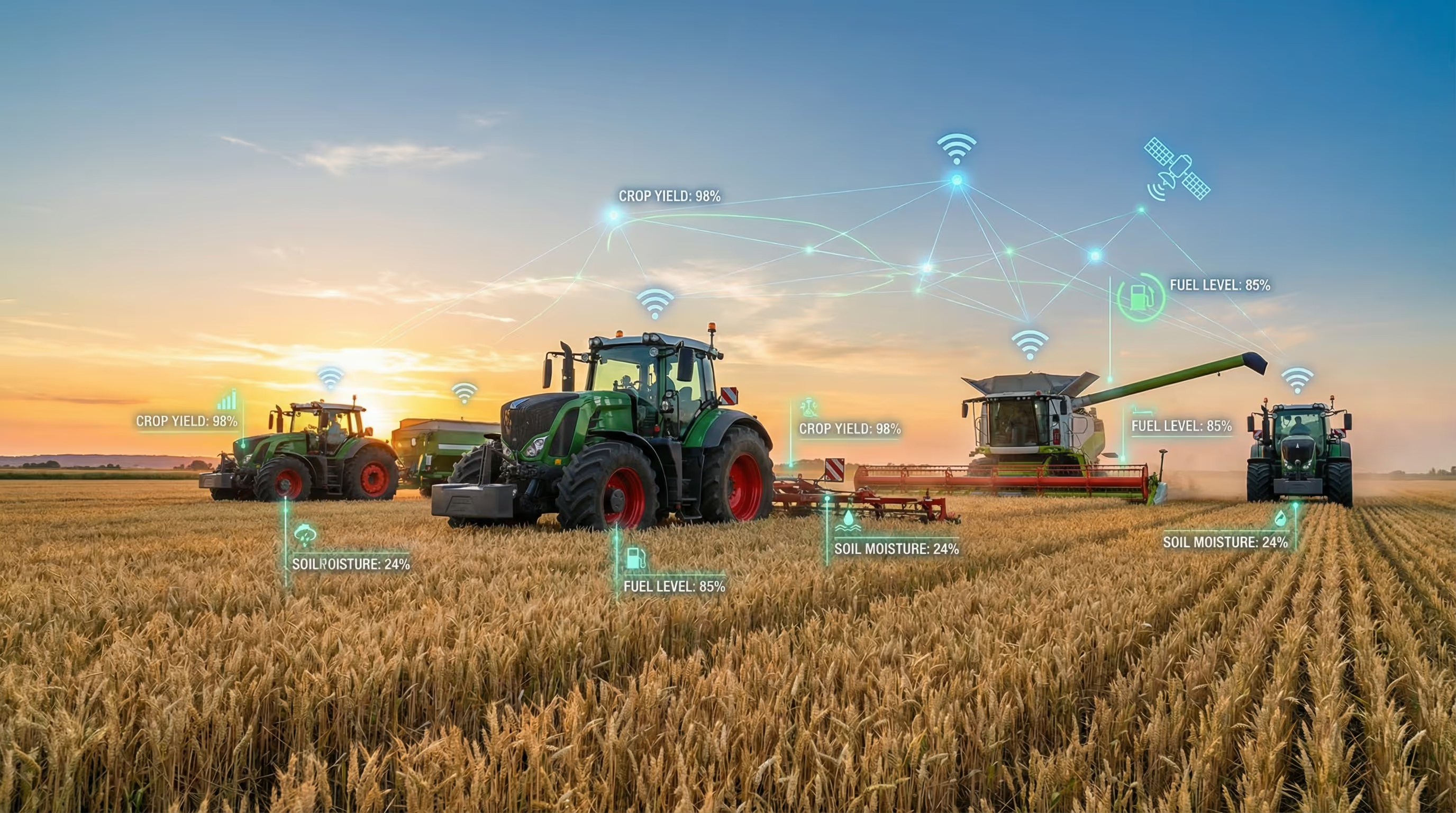
Getting a fair value for your combine harvester or tractor fleet shouldn't take weeks of waiting and multiple site visits. Traditional agricultural equipment appraisals often leave farmers, lenders, and insurers frustrated with slow turnaround times, inconsistent methods, and values that don't reflect current market conditions. Technology is changing this landscape by introducing digital tools, comprehensive databases, and automated systems that deliver faster, more accurate, and defensible valuations.
Whether you need an appraisal for financing equipment purchases, settling insurance claims, or handling estate planning, understanding how modern technology improves the process helps you make better decisions and get the documentation you need quickly.
Quick Answer: Technology-enabled agricultural equipment appraisals use digital data collection, automated valuation models, and comprehensive market databases to deliver results in days rather than weeks, with greater accuracy and consistent methodology that lenders and insurers readily accept.
Your farm equipment represents a significant investment that directly impacts your operation's financial health. When you need financing for new purchases, adequate insurance coverage, or fair estate settlements, having accurate and defensible valuations becomes critical.
Traditional appraisal methods often fall short when time is a factor. A delayed appraisal can hold up loan approvals, leave you underinsured during critical seasons, or create disputes during estate settlements. Modern technology addresses these challenges by providing faster access to comprehensive market data and standardized valuation methods.

The stakes are particularly high for agricultural operations because equipment values can fluctuate significantly based on seasonal demand, regional markets, and technological advances. Having access to real-time market data and consistent valuation methods protects your financial interests whether you're buying, selling, or securing credit. Understanding the basics of farm equipment appraisal helps you appreciate how technology enhances these fundamental processes.
The shift from manual, paper-based appraisals to digital systems has fundamentally changed how equipment valuations are conducted. Instead of relying solely on an appraiser's physical inspection and manual research, modern appraisals leverage mobile applications, cloud-based databases, and digital documentation systems.
Digital data collection allows appraisers to capture detailed equipment information quickly and accurately. Serial numbers, operating hours, maintenance records, and condition assessments can be documented with photos and entered directly into valuation systems. This reduces manual entry errors and ensures all relevant factors are considered in the final valuation.
The integration of multiple data sources provides a more complete picture of equipment value. Current sales data, auction results, dealer pricing, and regional market trends are automatically incorporated into the valuation process, resulting in more accurate and defensible values. When preparing for a farm equipment appraisal, having your documentation organized digitally can significantly streamline the process.
Key Insight: Digital appraisal systems can access thousands of recent sales transactions and market data points instantly, compared to the limited local knowledge available through traditional methods.
Modern agricultural equipment appraisals rely on comprehensive databases that track sales transactions, auction results, and market trends across different regions and equipment types. This data-driven approach provides more accurate valuations by considering factors that manual appraisals might miss.
Key data points include recent comparable sales, equipment age and operating hours, maintenance history, and regional market conditions. Advanced analytics can identify patterns in depreciation rates, seasonal value fluctuations, and the impact of technological upgrades on equipment values.
The ability to analyze large datasets quickly means appraisers can provide more precise valuations that reflect current market conditions. This is particularly valuable for specialized equipment or in markets where comparable sales are limited. Learning about common mistakes to avoid during a farm equipment appraisal can help you leverage these data-driven approaches more effectively.
MethodData SourcesTurnaround TimeBest ForTraditionalLocal knowledge, manual research1-3 weeksUnique or antique equipmentDigital/HybridMarket databases, automated analysis3-7 daysStandard farm equipmentAutomatedComprehensive databases, AI models1-3 daysHigh-volume valuations
Technology has made it possible to conduct thorough equipment inspections without requiring multiple site visits. Digital inspection methods use high-resolution photography, video documentation, and detailed condition assessment forms to capture equipment condition accurately.
Remote inspections can be particularly effective for standard equipment types where the appraiser has extensive experience. Farmers can provide photos and videos following specific guidelines, allowing appraisers to assess condition and identify potential issues that affect value.

For complex or high-value equipment, hybrid approaches combine digital documentation with targeted on-site inspections. This reduces overall time and cost while ensuring thorough evaluation of critical components that significantly impact value.
Advanced technologies like drone photography and telematics data from modern equipment can provide additional insights into equipment condition and usage patterns, further enhancing the accuracy of remote assessments. If you're wondering what to expect during a farm equipment appraisal, these digital methods are increasingly becoming the standard.
Technology Advantage: Digital inspections can document equipment condition more thoroughly than traditional methods, with timestamped photos and detailed condition reports that provide better documentation for insurance and legal purposes.
When selecting an appraisal firm that uses modern technology, focus on their credentials, experience with agricultural equipment, and the specific technologies they employ. Look for appraisers who maintain USPAP compliance and have credentials recognized by lenders and insurance companies.
Ask about their data sources and how they ensure accuracy in their automated systems. The best providers combine technology with human expertise, using automated tools to enhance rather than replace professional judgment. Consider reviewing essential questions to ask your farm equipment appraiser before making your selection.
Consider the types of reports and documentation they provide. Modern appraisal firms should offer detailed digital reports with supporting data, photos, and clear explanations of their methodology that satisfy lender and insurance requirements. Understanding the benefits of farm equipment appraisal can help you evaluate whether a provider's technology truly delivers value.
The integration of technology in agricultural equipment appraisals represents a significant improvement in speed, accuracy, and documentation quality. By understanding how these modern methods work and choosing experienced providers who combine technology with agricultural expertise, you can get the reliable valuations you need for financing, insurance, and business decisions. Whether you're expanding your operation, updating insurance coverage, or planning for the future, technology-enabled appraisals provide the fast, accurate, and defensible values that support your agricultural business goals.
Modern agricultural equipment appraisals combine digital inspection tools, comprehensive market databases, and analytics platforms to determine accurate values. Appraisers use high-resolution photos, video documentation, telematics data, and automated valuation models to assess equipment condition and compare it against recent sales data. This technology-driven approach produces faster, more consistent, and better-documented appraisals that meet USPAP standards and are accepted by lenders, insurers, and the IRS.
Automated valuation models can be highly accurate for standard farm equipment when they draw on comprehensive market data and are overseen by qualified appraisers. However, the most reliable appraisals combine automated tools with professional judgment to interpret unique conditions, specialized equipment, or market anomalies. A USPAP-compliant appraisal prepared by a credentialed appraiser using technology is widely accepted by insurers, banks, and regulatory authorities.
Yes, many agricultural equipment appraisals can now be conducted remotely using digital inspection methods. Appraisers use owner-supplied photos and videos, live video walk-throughs, and detailed condition assessment forms to evaluate equipment without on-site visits. This approach works well for standard equipment types and reduces scheduling delays, though complex or high-value machinery may still benefit from in-person inspection for critical components.
Gather serial numbers, make/model/year information, current hour meter readings, service and maintenance records, and receipts for major repairs or upgrades. Take clear photos of the equipment from multiple angles, including control panels, tires, and any attachments. If available, provide telematics data exports and documentation of precision agriculture components. Having this information organized digitally before the appraisal can significantly speed up the process and improve accuracy.