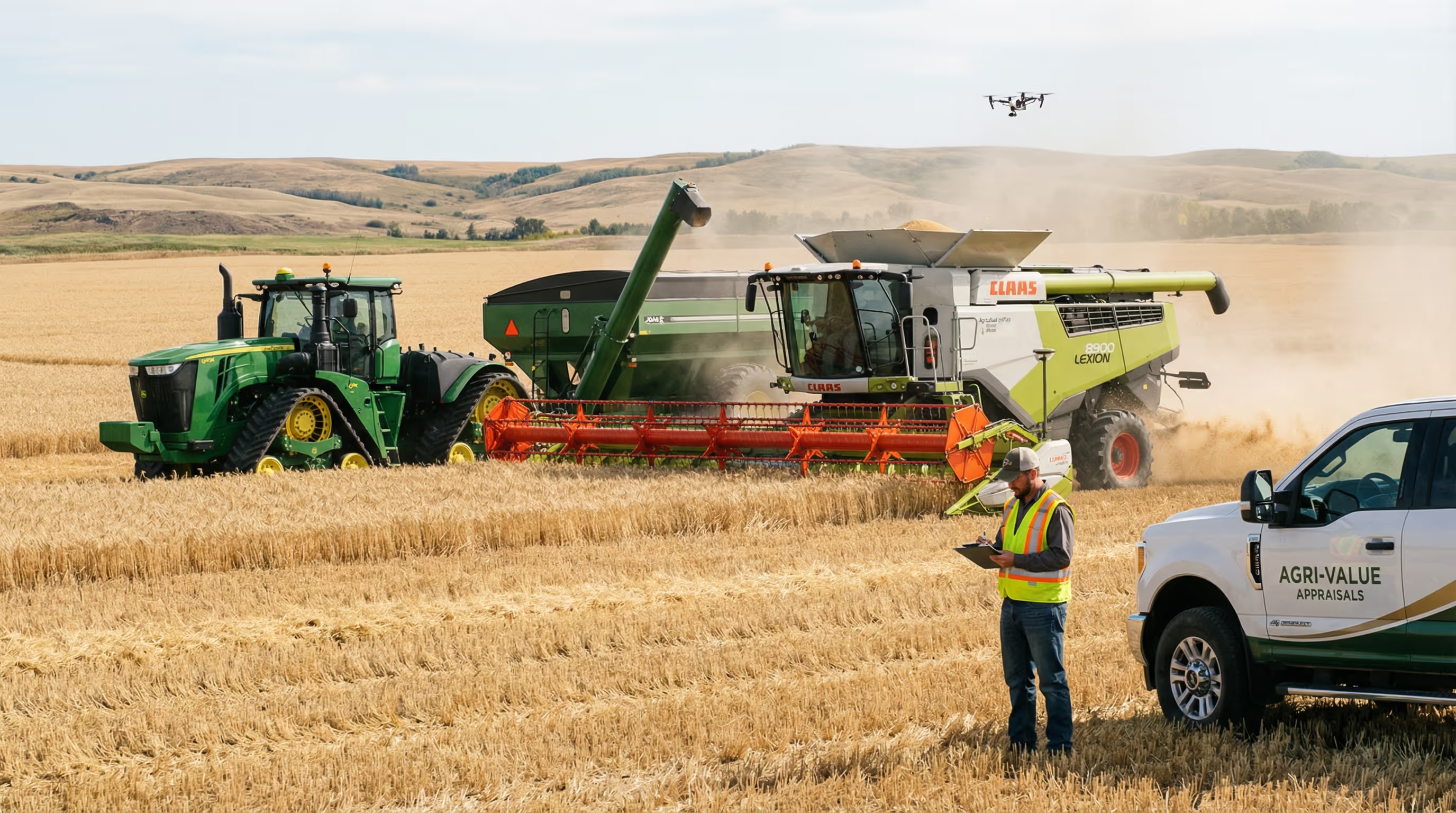
Whether you're applying for a farm loan, settling an estate, or preparing for an insurance claim, knowing what your tractors and machinery are truly worth is critical. An agricultural equipment appraisal provides a defensible, professional opinion of value that lenders, insurers, courts, and the IRS will accept.
Quick Answer: Agricultural equipment appraisal is the process of determining fair market value for farm machinery through professional inspection, market analysis, and standardized reporting methods that comply with USPAP standards.
This guide explains how agricultural equipment appraisals work, which factors affect value, how to prepare for the process, and how to choose a qualified appraiser so your report stands up to scrutiny when it matters most.
Agricultural equipment appraisal is a systematic evaluation that determines the fair market value of farm machinery and equipment. Unlike simple online calculators or auction estimates, professional appraisals follow Uniform Standards of Professional Appraisal Practice (USPAP) guidelines to produce legally defensible reports.
You typically need an agricultural equipment appraisal for several key situations. Banks require them for loan collateral when financing equipment purchases or refinancing existing debt. Insurance companies need current values to establish proper coverage limits and process damage claims fairly. Estate planning and divorce proceedings rely on appraisals to ensure equitable asset distribution.

Tax authorities may require appraisals for charitable donations, business valuations, or depreciation schedules. If you're buying or selling equipment, an independent appraisal helps establish fair pricing and avoid costly mistakes.
The key difference between professional appraisals and casual estimates is credibility. A certified appraiser's report includes detailed methodology, comparable sales data, and professional certification that stands up in legal and financial contexts where accuracy matters most. Understanding what is agricultural equipment appraisal helps you recognize when professional valuation services become necessary.
Professional appraisers use three primary approaches to determine equipment value, often combining methods for the most accurate assessment. The market approach compares your equipment to recent sales of similar machinery, adjusting for differences in age, condition, and features. This method works best when sufficient comparable sales exist in the current market.
The cost approach calculates what it would cost to replace your equipment new, then subtracts depreciation based on age, usage, and condition. This method proves especially useful for newer equipment or specialized machinery with limited sales data.
Key Insight: Equipment age alone doesn't determine value. A well-maintained 10-year-old tractor with low hours often appraises higher than a 5-year-old unit with heavy use and poor maintenance.
Several critical factors influence final values regardless of the method used. Make and model reputation significantly impacts resale value, with brands like John Deere and Case IH typically holding value better than lesser-known manufacturers. Operating hours or mileage directly correlates with wear and remaining useful life.
Physical condition encompasses everything from engine performance to cosmetic appearance. Maintenance history, available service records, and any modifications or upgrades all factor into the final assessment. Technology level matters too, as newer emissions standards and precision agriculture features command premium prices in today's market. Learning about exploring agricultural equipment appraisal processes provides deeper insight into these valuation methodologies.
A thorough agricultural equipment appraisal involves several essential components that work together to produce an accurate value conclusion. The physical inspection forms the foundation, where the appraiser examines every aspect of the equipment from engine condition to tire wear, documenting findings with detailed photographs.
Market research follows, where the appraiser analyzes recent sales of comparable equipment, adjusting for differences in specifications, condition, and geographic location. This data comes from auction results, dealer transactions, and private sales to establish current market trends.
The analysis phase combines inspection findings with market data to determine appropriate depreciation rates and condition adjustments. Appraisers consider factors like functional obsolescence when newer technology makes older equipment less desirable, even if mechanically sound.

Documentation and reporting represent the final component, where all findings are compiled into a comprehensive written report. This includes detailed descriptions, photographs, methodology explanation, and the final value conclusion with supporting rationale.
Quality appraisals also address intended use and value definition. Fair market value assumes willing buyer and seller with reasonable marketing time, while forced liquidation value reflects quick sale conditions. The appraiser clearly states which standard applies to your specific situation. To avoid errors during this process, review common mistakes to avoid during a farm equipment appraisal.
Selecting the right appraiser is crucial for obtaining a credible, defensible report. Look for professionals with specific agricultural equipment experience and proper certifications. The American Society of Appraisers (ASA), International Society of Appraisers (ISA), and American Society of Equipment Appraisers offer recognized credentials.
Ask potential appraisers about their experience with your specific equipment types. A certified appraiser who specializes in construction equipment may not be the best choice for dairy or grain handling equipment. Request sample reports to evaluate their thoroughness and professionalism. Understanding credentialing for farm equipment appraisers helps you identify properly qualified professionals.
Preparation Tip: Gathering maintenance records, purchase invoices, and recent repair documentation before the appraisal can reduce costs and improve accuracy by providing the appraiser with complete equipment history.
Verify that your appraiser follows USPAP standards and carries appropriate professional liability insurance. Ask about turnaround times, geographic coverage, and whether they offer both onsite and remote appraisal options depending on your needs.
Proper preparation streamlines the appraisal process and ensures accurate results. Compile all relevant documentation including serial numbers, hour meter readings, maintenance records, and any modification details. Clean equipment thoroughly and ensure easy access for inspection. For a comprehensive preparation strategy, consult our checklist for preparing your agricultural equipment for appraisal.
Prepare a list of known issues or recent repairs to share with the appraiser. Having operation manuals available helps verify specifications and optional equipment. Clear scheduling and site access prevents delays and additional charges.
Your final appraisal report should include detailed equipment descriptions, photographs, methodology explanation, comparable sales data, and a clear value conclusion. The report will specify the value standard used, intended use, and effective date of the appraisal. Before hiring an appraiser, review these 10 essential questions to ask your farm equipment appraiser to ensure you're making an informed decision.
AppraiseItNow provides USPAP-compliant agricultural equipment appraisals nationwide, with both onsite and virtual options available. Our certified appraisers specialize in farm machinery and deliver defensible reports accepted by lenders, insurers, courts, and tax authorities. Contact us today to discuss your agricultural equipment appraisal needs and receive a professional assessment you can trust.
An agricultural equipment appraisal is a professional, USPAP-compliant valuation of farm machinery that determines fair market value based on make, model, age, condition, hours of use, and current market data. A certified appraiser inspects the equipment, analyzes comparable sales, and provides a defensible value opinion that lenders, insurers, courts, and tax authorities accept for financing, insurance, estate planning, and legal purposes.
Farm equipment value is determined through physical inspection combined with market research on recent sales of comparable machinery. Appraisers use three primary approaches: market comparison (analyzing similar equipment sales), cost approach (replacement cost minus depreciation), and income approach (for revenue-generating equipment). Factors like age, operating hours, condition, maintenance history, technology level, and regional market trends are all considered in the final valuation.
You need an agricultural equipment appraisal for bank loans and refinancing, insurance coverage and claims, estate planning and succession, divorce proceedings, tax reporting, buying or selling equipment, and business valuations. Lenders require appraisals to establish collateral value, while insurance companies need current values for proper coverage. Estate planners and courts rely on professional appraisals to ensure fair asset distribution and tax compliance.
Choose an appraiser with specific agricultural equipment experience and proper certifications like ASA, AMEA, or ISA credentials. Verify they follow USPAP standards and ask about their experience with your equipment types, sample reports, and whether their appraisals are accepted by banks, insurers, and courts. Look for professionals who carry liability insurance and can provide references from previous clients in similar situations.