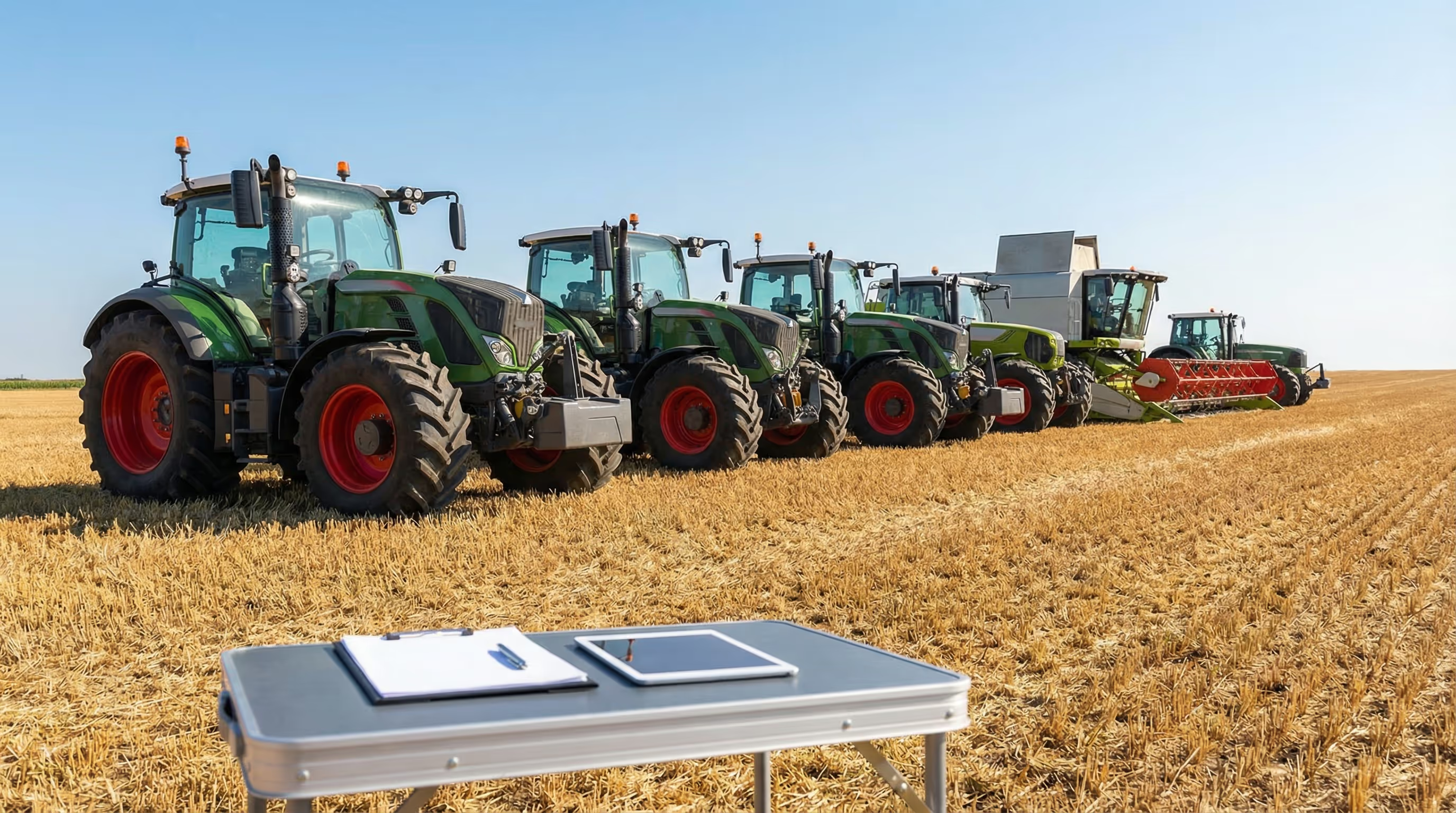
When you're using your tractors and combines as collateral for an operating loan or considering selling major farm equipment, getting the value wrong can cost you thousands of dollars. An agricultural equipment appraisal provides an independent, USPAP-compliant opinion of value based on thorough inspection and current market data.
This guide walks you through everything you need to know about agricultural equipment appraisals: when you need one, how the process works step-by-step, what it costs, and how to prepare. Whether you're a farmer seeking financing, an attorney handling an estate, or a lender evaluating collateral, understanding this process helps you make informed decisions and protect your financial interests.
Quick Answer: Agricultural equipment appraisals typically take 2-7 business days for most farms, cost varies based on the number of assets and complexity, and require detailed equipment records, maintenance history, and physical inspection by a qualified appraiser.
An agricultural equipment appraisal is a formal, documented valuation of farm machinery and equipment performed by a qualified appraiser using recognized valuation methods. Unlike dealer quotes or online listings, these appraisals follow professional standards and provide defensible values for legal and financial purposes.
You'll need an agricultural equipment appraisal when buying or selling equipment, applying for loans using machinery as collateral, updating insurance coverage, handling estate settlements, or dealing with divorce proceedings. Banks, insurance companies, and courts require these professional valuations because they're based on actual market data and physical inspection rather than estimates.
The appraiser examines your equipment's condition, reviews maintenance records, researches comparable sales, and applies standard valuation approaches to determine fair market value, liquidation value, or other types of value depending on your specific needs. Understanding the basics of farm equipment appraisal can help you better prepare for the process.
Different situations require different types of value. Fair market value represents what a willing buyer and seller would agree on under normal conditions, commonly used for sales and insurance. Orderly liquidation value assumes a planned sale over reasonable time, often used in restructuring scenarios. Forced liquidation value reflects quick sale conditions like auctions or foreclosures.

Agricultural equipment appraisals cover virtually any machinery used in farming operations. This includes tractors of all sizes, combines and harvesters, sprayers and applicators, planters and seeders, hay balers and mowers, tillage implements, and grain handling equipment.
Beyond standard field equipment, appraisers also evaluate irrigation systems, utility vehicles and ATVs used on farms, trucks dedicated to farm operations, and construction equipment used in agricultural settings. Specialized equipment like dairy parlor systems, livestock handling facilities, and processing equipment also fall under agricultural appraisals.
Antique and vintage machinery require special consideration due to collector markets and rarity factors. Custom-built or heavily modified equipment needs detailed documentation of specifications and any unique features that affect value.
Important Note: Appraisers can evaluate leased equipment for insurance purposes, but ownership documentation affects the type of value that can be determined.
Farmers and ranchers order appraisals when refinancing operations, selling equipment, or updating insurance coverage. Agricultural lenders and banks require appraisals to evaluate collateral for loans and lines of credit. Insurance companies need current values for coverage adjustments and claim settlements.
Attorneys frequently order appraisals for estate planning, divorce proceedings, and business litigation. Accountants and tax professionals use appraisals for depreciation schedules, charitable donations, and financial reporting. Government agencies may require appraisals for various regulatory or tax purposes.
Investors and buyers in farm acquisitions rely on equipment appraisals to understand asset values before making purchase decisions. Leasing companies also use appraisals to set lease terms and residual values. If you're wondering when to hire a farm equipment appraiser, these scenarios are clear indicators.
The appraisal process follows a structured approach to ensure accuracy and compliance with professional standards. Understanding each step helps you prepare effectively and know what to expect.
Step 1: Initial consultation and scope definition
The appraiser clarifies why you need the appraisal, what type of value is required, and which assets need evaluation. They'll discuss timeline requirements, reporting format, and whether inspection will be on-site, remote with photos, or a combination based on your situation and equipment accessibility.
Step 2: Asset list and data collection
You provide a detailed list of all equipment including manufacturer, model, year, serial numbers, engine hours, current location, and basic condition notes. The appraiser reviews maintenance records, purchase documents, and any previous appraisals you have available. Using a checklist for preparing your agricultural equipment for appraisal ensures you have everything organized.
Step 3: On-site inspection
The appraiser visits your farm to physically examine and photograph each piece of equipment. They assess overall condition, look for signs of wear or damage, note any upgrades or modifications, and check for safety or environmental compliance issues. For large fleets, they may sample similar items and extrapolate based on the scope and purpose.
Step 4: Market research and valuation analysis
Using the inspection data, the appraiser researches recent sales of comparable equipment, reviews dealer listings and auction results, and analyzes current agricultural market conditions. They apply appropriate valuation approaches and make adjustments for age, condition, hours, location, and special features.
Step 5: Report preparation and delivery
The final report includes a complete asset list, photographs, description of methods used, market data summary, and concluded values. USPAP-compliant reports are accepted by banks, insurance companies, tax authorities, and courts for official purposes.

Assignment SizeDescriptionTypical TimeframeSmall5-10 machines, one location2-4 business daysMedium20-40 machines, multiple locations5-7 business daysLarge100+ assets, complex operations1-2 weeks or more
Time-Saving Tip: Having complete records organized and equipment accessible can reduce the appraisal timeline by 1-2 days and may lower costs by reducing appraiser time on-site.
Understanding costs and choosing the right appraiser ensures you get reliable results that serve your specific needs. Most appraisers charge either hourly rates or project-based fees depending on the scope, with additional expenses for travel to remote locations or rush deadlines. Learn more about the cost of farm equipment appraisal to budget appropriately.
The investment in a professional appraisal protects you from under-insurance, supports stronger negotiations with lenders, and provides documentation that stands up to legal scrutiny. When choosing an appraiser, look for credentials like ASA machinery specialties, AMEA certification, or CAGA membership, and confirm their experience with agricultural equipment and USPAP compliance. Before making your decision, review these 10 essential questions to ask your farm equipment appraiser.
A well-executed agricultural equipment appraisal gives you confidence in major financial decisions and protects your operation's most valuable assets. Avoid common mistakes during a farm equipment appraisal by gathering your equipment documentation and maintenance records, then consult with a qualified appraiser to discuss your specific needs and timeline.
Agricultural equipment appraisal costs vary based on the number of assets, complexity, and location. Most appraisers charge either hourly rates or project-based fees, with additional expenses for travel to remote locations or rush deadlines. For a small assignment with 5-10 machines, expect 2-4 business days, while larger operations with 100+ assets may take 1-2 weeks or more. Request a written quote outlining scope, fees, and timeline to avoid surprises.
You should provide a detailed list of all equipment including manufacturer, model, year, serial numbers, engine hours, maintenance records, purchase documents, and any previous appraisals. Complete documentation helps the appraiser confirm details and support a stronger value conclusion. Having records organized and equipment accessible can reduce the appraisal timeline by 1-2 days and may lower costs by reducing appraiser time on-site.
Fair market value represents what a willing buyer and seller would agree on under normal conditions, commonly used for sales and insurance. Orderly liquidation value assumes a planned sale over reasonable time, often used in restructuring scenarios. Forced liquidation value reflects quick sale conditions like auctions or foreclosures. The type of value needed depends on your specific situation and purpose for the appraisal.
While dealer quotes can provide rough estimates, banks, insurance companies, courts, and the IRS typically require formal appraisals by qualified, independent appraisers. A USPAP-compliant appraisal provides a defensible, written opinion of value with supporting market data and methodology, which dealer quotes usually do not. Professional appraisals follow recognized standards and provide documentation that stands up to legal scrutiny.