
Machinery & Equipment Appraisal
Certified, USPAP-compliant machinery and equipment appraisal for tax, legal, and financial reporting purposes - online or onsite in all 50 states. AppraiseItNow appraises construction equipment, medical equipment, complex machinery, CNC machinery, and more.
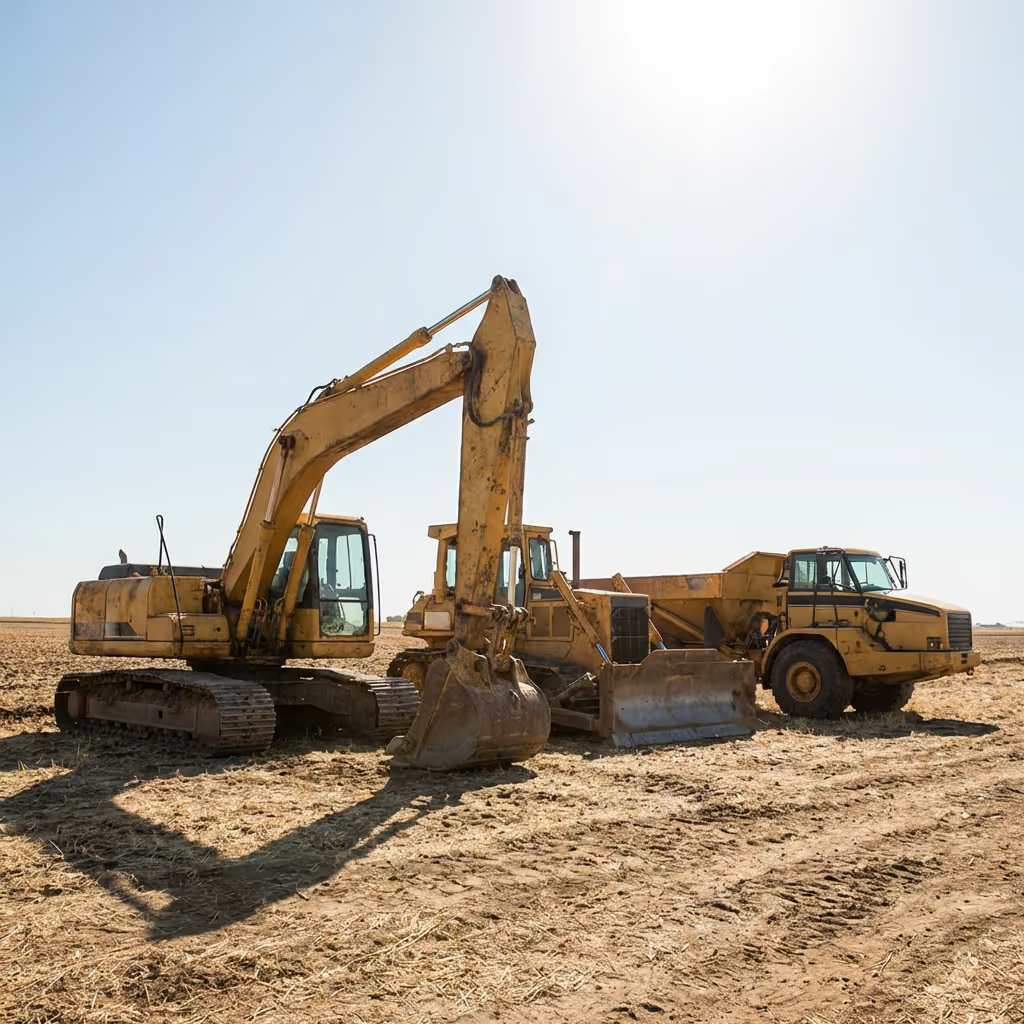






Offered by world-class machinery & equipment appraisers
.avif)
Joe Kattan

Jason Dolph, CAGA

Aron Blue
About AppraiseItNow's Machinery & Equipment Appraisal Services
AppraiseItNow provides fast, fully online or onsite machinery and equipment appraisals for legal, tax, financing, and financial reporting purposes. Our mission is to deliver defensible, USPAP-compliant valuations with exceptional speed, professionalism, and client service.
Our machinery and equipment appraisers serve individuals, business owners, contractors, operators, and organizations that require independent valuations for IRS filings, asset-based lending, insurance coverage and claims, litigation, charitable contributions (IRS Form 8283), estate and gift tax reporting, bankruptcy, and transactional purposes. Many machinery and equipment appraisals can be completed remotely, with onsite inspections coordinated when required by scope, asset size, operating condition, or complexity.
We offer Fair Market Value (FMV), Olderly Liquidation Value (OLV), Forced Liquidation Value (FLV), and Replacement Value appraisals for various intended uses.
What Types of Machinery & Equipment Do We Appraise?
We appraise a wide range of commercial, industrial, and individually owned machinery and equipment, including:
- Heavy construction and earthmoving equipment
- Manufacturing and production machinery
- Medical and diagnostic equipment
- Restaurant and commercial kitchen equipment
- IT hardware, servers, and technology assets
- Forklifts and material handling equipment
- Mining, quarry, and extraction equipment
- Printing, packaging, and processing equipment
- Agricultural and farm equipment
- Cranes, lifting equipment, and rigging
- Attachments, implements, and specialty machinery
- Multi-asset equipment inventories across industries
How much does a Machinery & Equipment appraisal cost?
Appraisal Type
Standard Fee Range
Pricing By Volume
What Drives Cost?
.svg)
5-Star Valuation Services, Loved by Hundreds
Machinery & Equipment valuations for commercial and personal clients
Servicing Commercial & Industrial Businesses
AppraiseItNow serves major businesses and commercial clients, including:
- Banks and lenders
- Construction companies
- Infrastructure contractors
- Inudstrial & manufacturing companies
- Internal finance teams
- CPAs
- Attorneys

Servicing Individuals & Households
AppraiseItNow also serves individual consumers with projects large and small. These clients often include:
- Machinery & Equipment owners or estate inheritors
- Individuals making non-cash charitable donations
- Couples going through marital divorce
- Families dealing with estate planning or post-death estate matters
- Individuals dealing with insurance or other third-party claims
- Individuals going through major financial or other life events
View all Locations




Written USPAP-compliant equipment appraisals for when defensibility matters.
Given the USPAP-compliant nature of AppraiseItNow’s appraisal reports, we prepare our deliverables for major legal, tax, and financial reporting purposes for individual and commercial clients.
Popular uses of our appraisal reports include:
Tax, Estate & Financial Planning
- Gift Tax - IRS Form 709
- Estate Tax - IRS Form 706
- Charitable Donations - filing of IRS Form 8283
- Estate planning, equitable distribution, and probate
Transactions, Lending & Investment
- Asset-backed Lending
- Purchase price allocation & cost segregation
- Mergers & Acquisitions (transactional due diligence)
- Investment analysis & planning
- Financial Reporting
Insurance & Risk Management
Life Events & Special Circumstances
- Divorce
- Social Security reporting or Medicaid Application Filings
- E-2 visa applications
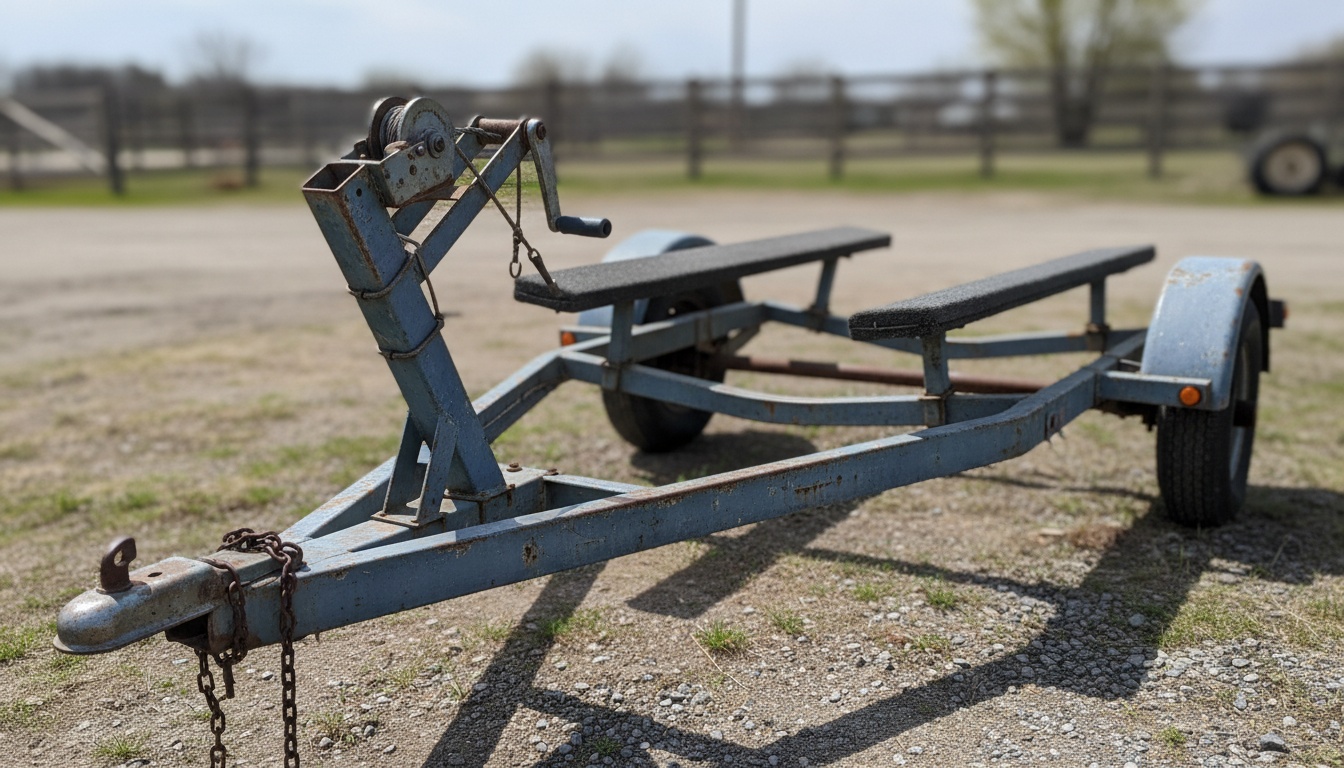
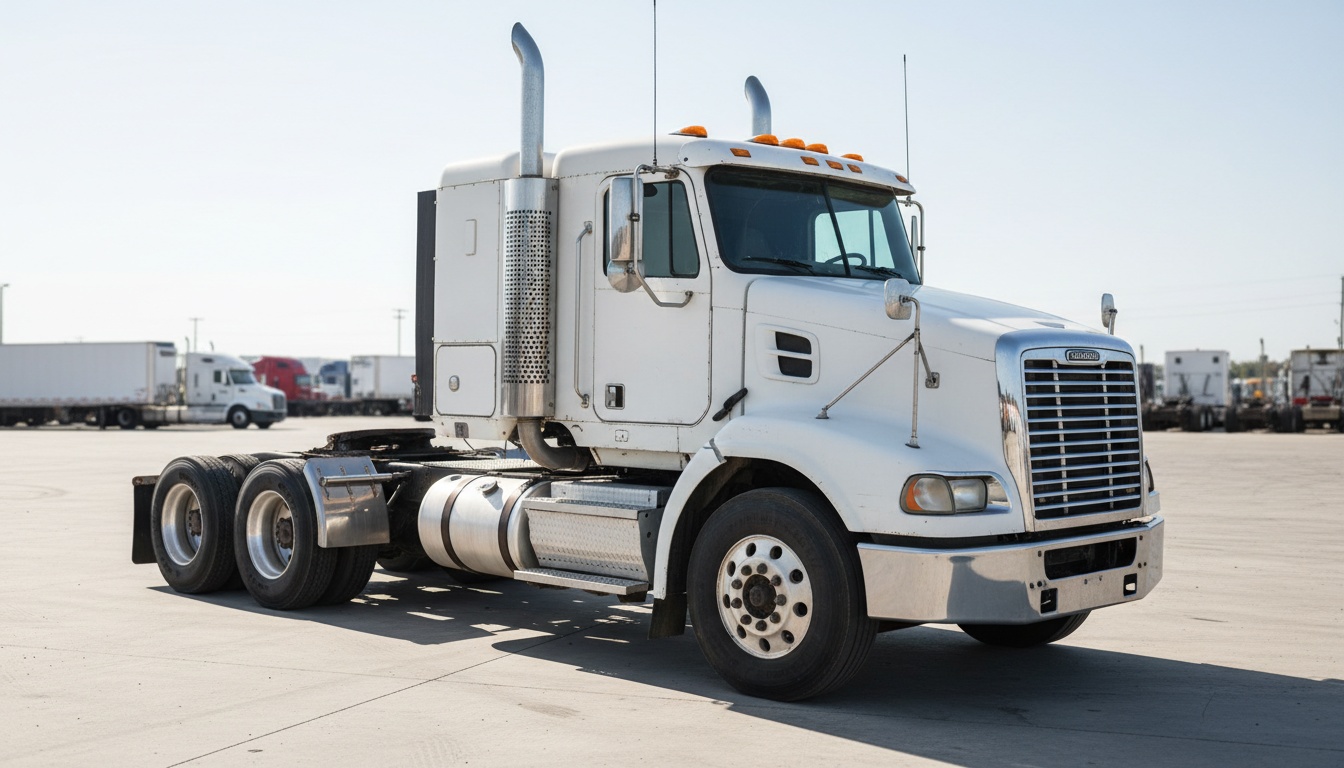
Featured Machinery & Equipment Case Studies

Frequently Asked Questions: Machinery & Equipment Appraisals
What types of machinery and equipment does AppraiseItNow appraise?
We appraise a broad range of machinery and equipment across construction, manufacturing, medical, food service, technology, industrial, mining, and material-handling operations. This includes heavy construction equipment, production and processing machinery, medical and diagnostic equipment, restaurant and commercial kitchen equipment, IT hardware and servers, forklifts, material handlers, and related attachments and implements.
Are your machinery and equipment appraisals USPAP-compliant?
Yes. All AppraiseItNow machinery and equipment appraisals are prepared in full compliance with the Uniform Standards of Professional Appraisal Practice (USPAP) and are designed to withstand third-party review by the IRS, lenders, courts, auditors, and insurers.
What are common reasons someone needs a machinery or equipment appraisal?
Clients commonly request machinery and equipment appraisals for IRS filings, charitable contributions, estate and gift tax reporting, asset-based lending and refinancing, insurance coverage and claims, litigation and dispute resolution, divorce proceedings, bankruptcy, internal financial reporting, and business or asset transactions.
Can you appraise used machinery or equipment with high hours or significant wear?
Yes. We regularly appraise used machinery and equipment with high operating hours or visible wear. Hours of use, condition, maintenance history, market demand, and remaining useful life are all considered as part of the valuation.
Can you appraise complete equipment fleets or machinery inventories?
Yes. We provide aggregated valuations for full equipment fleets and machinery inventories, including multi-location operations and mixed asset sets. Volume-based pricing is available for larger portfolios.
Do you provide online or remote machinery and equipment appraisals?
Yes. Many machinery and equipment appraisals can be completed remotely using asset lists, photos, serial numbers, usage data, and service records. When an onsite inspection is required due to asset size, configuration, or intended use, we coordinate an in-person appraisal with a qualified local appraiser.
How much does a machinery and equipment appraisal cost?
Fees are scope-based and quoted as a fixed price before work begins. Single-item appraisals typically start at $295, more complex or compliance-driven assignments start at $395, and most projects fall within a standard range of $695–$2,200, depending on asset type, quantity, and complexity.
Do you offer discounted pricing for multiple pieces of machinery or equipment?
Yes. We offer volume-based pricing for multi-asset machinery and equipment appraisals, including full fleets and large inventories. All pricing is confirmed in advance.
How long does a machinery and equipment appraisal take?
Most machinery and equipment appraisals are completed within 7–10 business days once all required information is received. Expedited turnaround options may be available for time-sensitive matters.
Who prepares the appraisal report?
Each appraisal is prepared by a credentialed appraiser with experience valuing machinery and equipment, in accordance with USPAP standards.
Do you prepare appraisals for IRS Form 8283 (Noncash Charitable Contributions)?
Yes. AppraiseItNow prepares qualified, USPAP-compliant appraisals that meet IRS requirements for Form 8283 when machinery or equipment is donated. Our reports are structured to support Section B filings and are commonly used by donors, CPAs, and tax advisors.
Do you buy, sell, broker, or finance machinery or equipment?
No. AppraiseItNow is an independent appraisal firm. We do not buy, sell, broker, or finance machinery or equipment, ensuring objective and defensible valuation conclusions.
What information do you need to get started?
Typically, we request an asset list, make and model details, serial numbers, usage data, photos, condition information, service records, and the intended use of the appraisal. Clear documentation helps reduce both cost and turnaround time.
Can AppraiseItNow appraise machinery and equipment located anywhere in the U.S.?
Yes. We provide nationwide coverage and can appraise machinery and equipment located anywhere in the United States.
Will my appraisal be accepted by the IRS, lenders, or courts?
Our reports are prepared specifically to meet third-party scrutiny. While acceptance is ultimately determined by the reviewing authority, AppraiseItNow machinery and equipment appraisals are routinely used for IRS filings, financing, litigation, and other compliance-driven purposes.