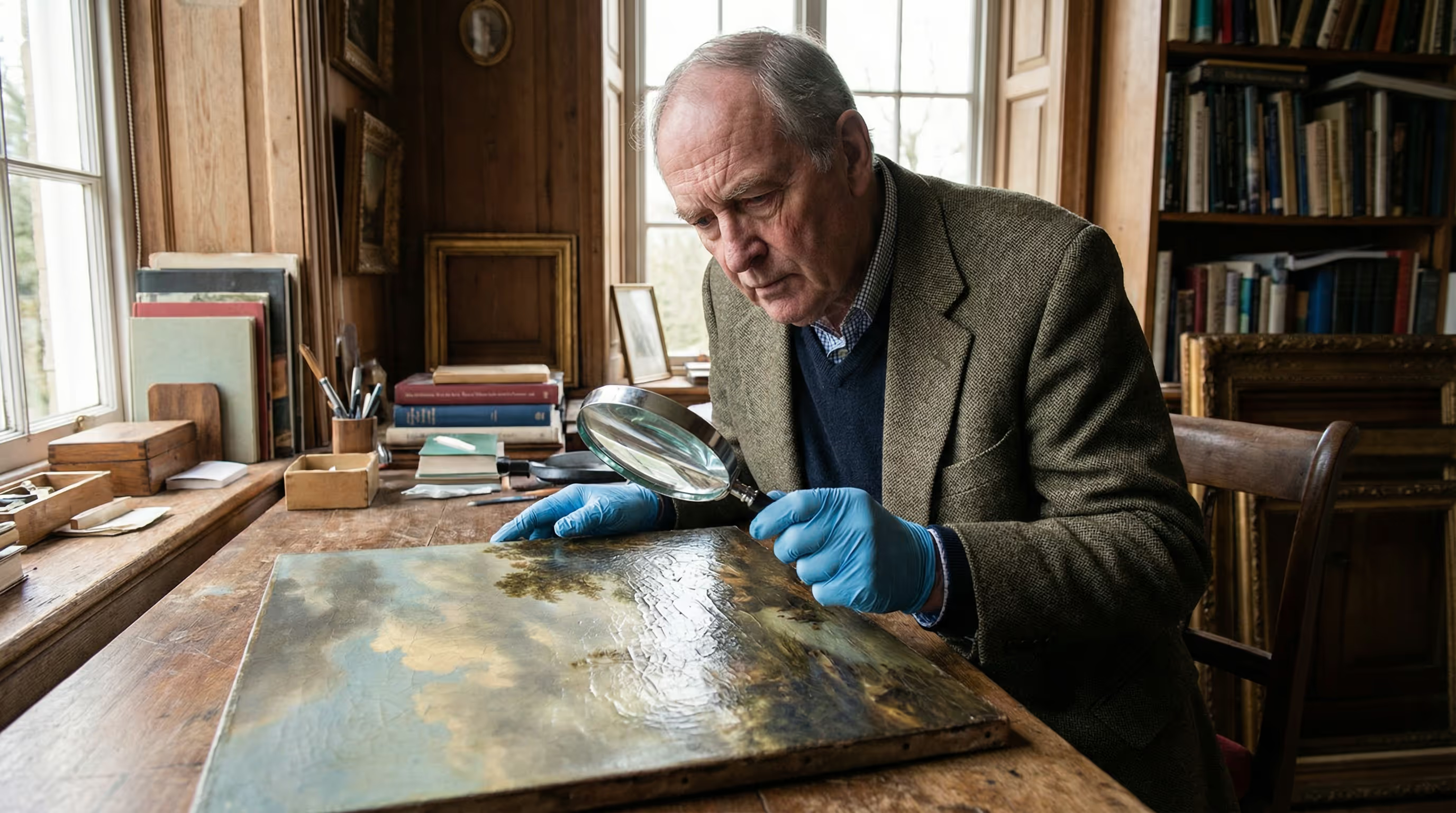
Just received your antique artwork appraisal? You now have a professional valuation in hand, but your journey doesn't end there. The real value of an appraisal comes from what you do next. Whether you're planning to insure, sell, donate, or simply protect your collection, taking the right steps after your appraisal ensures you maximize its benefits and maintain accurate records for years to come.
Most collectors make the mistake of filing away their appraisal report and forgetting about it. However, an appraisal is a living document that requires follow-up actions to remain useful. From updating insurance coverage to planning future reappraisals, these seven essential steps will help you make the most of your investment.
Quick Fact: Appraisals for antique artwork typically remain valid for insurance purposes for 2-3 years, but market values can change significantly during this period, making regular updates crucial.
Your appraisal report contains far more than just a dollar figure. Take time to read through every section carefully, paying special attention to the methodology used, comparable sales data, and condition notes. The appraiser has documented specific details about your artwork's provenance, physical condition, and market positioning that will be valuable for future reference.
Look for any discrepancies or questions you might have about the findings. Professional appraisers welcome follow-up questions, and understanding your report completely will help you make informed decisions about your artwork. Understanding what appraisers look for when evaluating antique artwork can help you better interpret the findings in your report. Note the appraisal's effective date and intended use, as these factors determine how and when you can apply the valuation.
The report should clearly state whether it reflects fair market value, replacement value, or another type of valuation. Each serves different purposes, and knowing which type you have is essential for your next steps.

One of the most critical actions after receiving your appraisal is updating your insurance coverage. Many homeowners discover their standard policy provides inadequate coverage for valuable artwork, often capping payouts at just a few thousand dollars regardless of actual value.
Contact your insurance agent within days of receiving your appraisal to discuss adding a scheduled personal property floater or fine arts policy. These specialized coverages protect your artwork at its appraised value and often include additional benefits like coverage for restoration costs and mysterious disappearance.
Important Note: Standard homeowners insurance typically covers artwork for only $1,000-$2,500 total, regardless of actual value. A scheduled floater removes these limitations and provides comprehensive protection.
Provide your insurance company with a copy of the complete appraisal report, not just the valuation summary. Insurers need detailed documentation to process claims efficiently, and having this information on file prevents delays if you need to file a claim later. Learn more about the role of antiques appraisals in insurance claims to understand how proper documentation protects your investment.
Antique artwork values fluctuate based on market trends, artist popularity, and economic conditions. Establishing a regular reappraisal schedule ensures your documentation stays current and your insurance coverage remains adequate.
For most antique artwork, plan to reappraise every three to five years. However, pieces by artists experiencing significant market changes or artwork in rapidly evolving categories may need more frequent updates. Keep track of auction results and market trends for similar pieces to identify when an earlier reappraisal might be beneficial.
Consider scheduling your next appraisal before your current one expires for insurance purposes. This prevents coverage gaps and ensures continuous protection for your collection. If you're wondering when is the best time to get an antiques appraisal, understanding market cycles and your specific needs will help you determine the optimal timing.

Create a comprehensive file system for your artwork documentation that includes your appraisal report, purchase receipts, provenance records, and high-quality photographs. Store original documents in a fireproof safe or safety deposit box, keeping copies easily accessible for insurance or sale purposes.
Digital backups are equally important. Scan all documents at high resolution and store them in multiple locations, including cloud storage services. Take detailed photographs of your artwork from multiple angles, capturing any signatures, markings, or condition issues noted in your appraisal.
Document TypeStorage MethodBackup LocationOriginal AppraisalFireproof SafeDigital Copy + CloudPurchase RecordsSafety Deposit BoxScanned FilesPhotographsPhysical + DigitalMultiple Cloud ServicesProvenance PapersFireproof SafeDigital Copy + Cloud
This organized approach makes future appraisals more efficient and provides essential documentation if you need to file an insurance claim or prove ownership for any reason. Before your next appraisal, review how to prepare for an antique artwork appraisal to ensure you have all necessary documentation ready.
Your appraisal represents a significant investment in understanding and protecting your antique artwork. By following these seven essential steps, you transform a simple valuation document into a comprehensive protection and management strategy for your collection. Understanding the benefits of professional appraisals for antique artwork will help you appreciate the full value of this process. Remember that AppraiseItNow offers ongoing support for all your appraisal needs, from initial valuations to regular updates that keep your documentation current and your collection properly protected.
Action Tip: Set calendar reminders for insurance reviews and reappraisal scheduling to ensure you never let your coverage or documentation lapse.
Most antique artwork appraisals remain valid for insurance purposes for 2-3 years. However, market values can change significantly during this period, so it's recommended to schedule reappraisals every 3-5 years or when major market shifts occur. Always check with your insurance provider about their specific requirements for appraisal updates.
If your appraisal value differs from expectations, first review the methodology and comparable sales data in your report. Contact your appraiser to discuss any questions about their findings. Remember that appraisals reflect current market conditions, not personal attachment or purchase price. If you believe there's an error, you can seek a second opinion from another qualified appraiser.
No, appraisals are typically not transferable to new owners. They are prepared for a specific owner, purpose, and date. When artwork changes hands, the new owner will need to obtain their own appraisal if they require professional valuation for insurance, estate planning, or other purposes. The original appraisal can serve as helpful documentation of the artwork's history.
Store your complete appraisal report with purchase receipts, provenance records, high-quality photographs from multiple angles, and any restoration documentation. Keep originals in a fireproof safe or safety deposit box, with digital copies stored in cloud services. This comprehensive documentation package will be essential for insurance claims, future appraisals, or if you decide to sell your artwork.