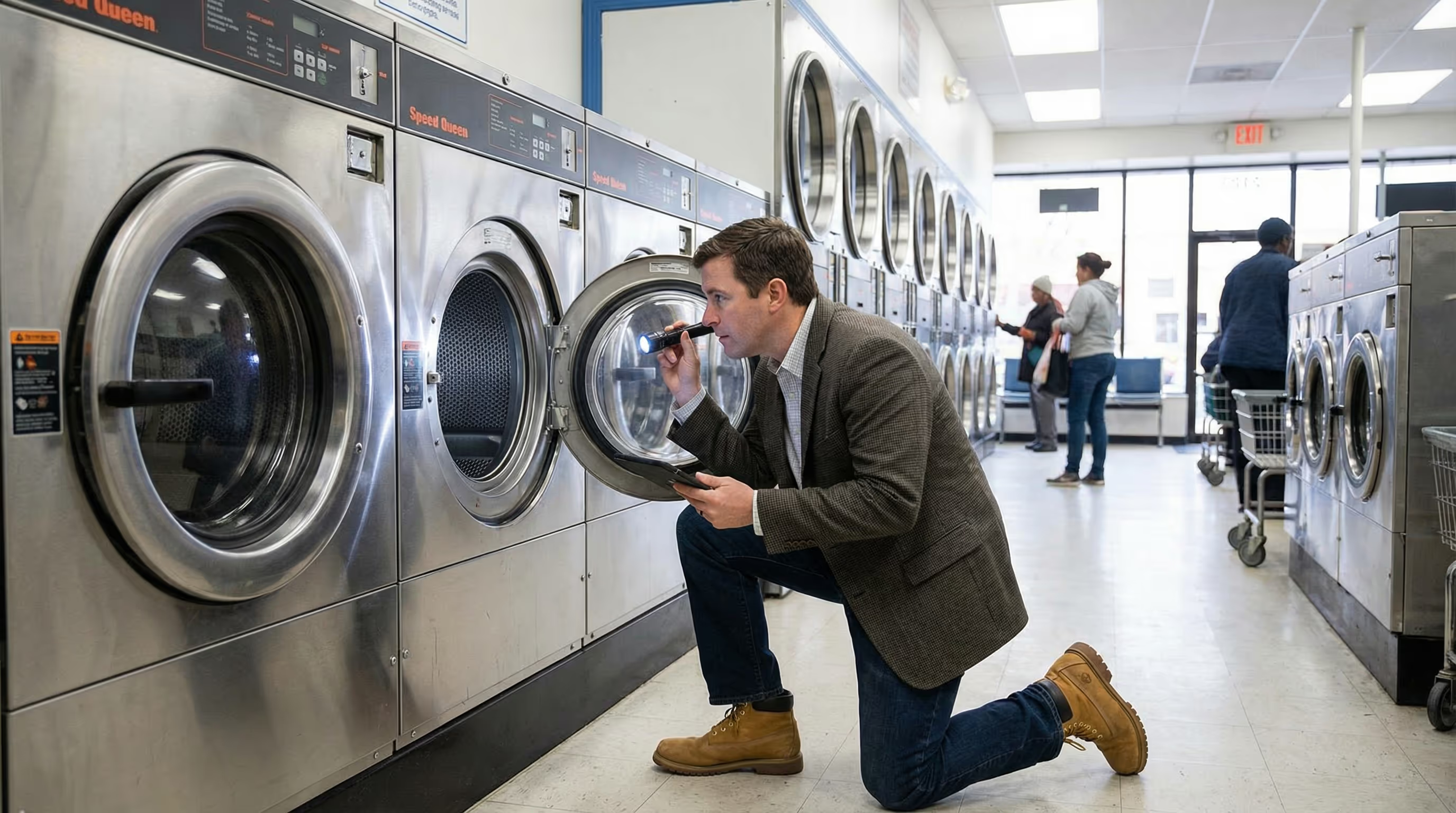
7 Costly Mistakes to Avoid When Getting a Laundry Equipment Appraisal

Last Updated on Sep 10, 2025
Originally Published on Sep 10, 2025
Thank you! Your submission has been received!
Oops! Something went wrong while submitting the form.
Nationwide Service
Onsite or Online
USPAP-Compliant
IRS Qualified
DEFENSIBLE, USPAP-COMPLIANT APPRAISAL REPORTS — ACCEPTED BY 10,000+ ORGANIZATIONS
Commercial Laundry Equipment Appraisal Process

When your insurance claim gets denied because your laundry equipment appraisal wasn't accepted, or when a potential buyer walks away because your valuation seems inflated, you realize how critical getting the appraisal process right really is. These scenarios happen more often than you'd think, and they usually stem from a handful of avoidable mistakes.

The good news is that most appraisal problems come down to poor preparation and choosing the wrong appraiser. Whether you're securing financing for new equipment, updating insurance coverage, or preparing to sell your laundromat, understanding these common pitfalls can save you thousands of dollars and weeks of delays.

Quick Answer: The most expensive mistakes include hiring unqualified appraisers, not defining the appraisal's purpose, providing incomplete equipment information, and treating the appraisal as a one-time event instead of part of ongoing business management.

In this guide, you'll discover the seven most costly mistakes operators make when getting laundry equipment appraised and learn exactly how to avoid them.

Most common appraisal mistakes that cost you money

Before diving into specifics, here are the mistakes that cause the biggest financial headaches for laundry equipment owners:

  • Choosing an appraiser without proper credentials or equipment expertise
  • Failing to define whether you need fair market value, replacement cost, or liquidation value
  • Providing incomplete equipment records and documentation
  • Ignoring the impact of maintenance history and recent upgrades
  • Assuming a quick estimate equals a certified, defensible appraisal
  • Not preparing properly for the inspection process
  • Treating appraisals as one-time events instead of regular business tools

Each of these mistakes can cost you thousands in undervaluation, rejected claims, or failed transactions. Let's explore how to avoid them.

Mistake 1: Hiring an appraiser without the right credentials

Certified Equipment Appraiser Credentials

Many business owners assume any equipment dealer or broker can provide a reliable valuation estimate. This thinking leads to appraisals that get rejected by lenders, insurers, and the IRS when you need them most.

Professional appraisers with credentials like ASA (Accredited Senior Appraiser), ISA, or equipment-specific designations follow USPAP (Uniform Standards of Professional Appraisal Practice) guidelines. These standards ensure your appraisal will hold up under scrutiny from financial institutions, courts, and tax authorities.

When vetting an appraiser, verify they have experience specifically with commercial laundry equipment. Ask to see sample reports and confirm they maintain professional liability insurance. An appraiser who specializes in restaurant equipment might miss critical factors that affect laundry equipment values.

Key Insight: A USPAP-compliant appraisal from a credentialed professional costs more upfront but prevents expensive do-overs when informal estimates get rejected.

Mistake 2: Not defining the purpose and value type needed

Different situations require different types of values, and using the wrong one can derail your entire transaction. Fair market value works for most sales and estate purposes, but insurance companies often need replacement cost new values. Lenders might require orderly liquidation values for collateral purposes.

Value TypeWhat It MeansBest Used ForFair Market ValuePrice between willing buyer and sellerSales, estate, tax reportingReplacement CostCost to replace with similar new equipmentInsurance coverageOrderly LiquidationValue in planned sale with reasonable timeLoan collateral, business wind-down

Before contacting an appraiser, clarify exactly why you need the appraisal. This prevents costly revisions later when you discover the value type doesn't match your intended use. Understanding the different types of equipment appraisals can help you make the right choice from the start.

Mistake 3: Providing incomplete equipment information

Missing serial numbers, purchase dates, or service records can reduce your equipment's appraised value by thousands of dollars. Appraisers base their valuations on comparable sales and market data, but incomplete information forces them to make conservative assumptions.

Gather these documents before your appraisal:
- Complete equipment inventory with make, model, and serial numbers
- Original purchase invoices and installation dates
- Maintenance and service records
- Documentation of any upgrades or retrofits
- Current photos showing equipment condition

A laundromat owner recently discovered their 2019 Huebsch washers were valued 15% higher after providing maintenance records showing regular professional servicing. The documentation proved the equipment was well-maintained, justifying a premium over similar machines with unknown service history. Learn more about how to prepare for a laundry equipment appraisal to ensure you have everything ready.

Mistake 4: Treating appraisals as one-time events

Laundry Equipment Market Value Changes

Equipment values change constantly due to market conditions, technological advances, and wear from heavy commercial use. Relying on a three-year-old appraisal for current insurance coverage or sale negotiations often leads to significant under or over-valuation.

Plan to update your laundry equipment appraisals every three to five years, or sooner if you've made major equipment additions or upgrades. Also consider reappraisals before major business events like refinancing, partnership changes, or insurance policy renewals.

Planning Tip: Schedule appraisals during slower business periods when equipment downtime for inspection won't impact your operations significantly.

Smart operators build appraisal costs into their annual budgets rather than scrambling for valuations when transactions arise. This approach ensures you always have current, defensible values ready when opportunities or challenges appear. Similar to how professional farm equipment appraisers recommend regular valuations, laundry equipment owners benefit from periodic assessments.

Getting your laundry equipment appraised correctly protects your investment and supports your business goals. By avoiding these common mistakes and working with qualified professionals, you ensure accurate valuations that stand up to scrutiny from lenders, insurers, and potential buyers.

At AppraiseItNow, our USPAP-compliant appraisals are accepted by thousands of organizations including the IRS, major insurance companies, and lending institutions. We understand the unique factors that affect commercial laundry equipment values and provide the documentation you need for any business purpose. Whether you're dealing with equipment and machinery appraisal challenges or need guidance on selecting the right appraiser, we're here to help.

FAQ

What is the biggest mistake people make when getting a laundry equipment appraisal?

The biggest mistake is choosing an appraiser without proper credentials or laundry equipment expertise. Many business owners hire general equipment dealers or brokers who lack USPAP compliance and specialized knowledge of commercial laundry equipment. This often results in appraisals that get rejected by lenders, insurers, and the IRS when you need them most.

How do I know if my laundry equipment appraiser is qualified?

Look for appraisers with professional credentials like ASA (Accredited Senior Appraiser), ISA, or equipment-specific designations who follow USPAP guidelines. Verify they have specific experience with commercial laundry equipment, ask to see sample reports, and confirm they maintain professional liability insurance. A qualified appraiser should specialize in machinery and equipment rather than general business valuations.

What information should I provide to get an accurate laundry equipment valuation?

Provide complete equipment inventory with make, model, and serial numbers, original purchase invoices and installation dates, maintenance and service records, documentation of upgrades or retrofits, and current photos showing equipment condition. Missing information forces appraisers to make conservative assumptions that can reduce your equipment's appraised value by thousands of dollars.

How often should I have my laundry equipment reappraised?

Plan to update your laundry equipment appraisals every three to five years, or sooner if you've made major equipment additions or upgrades. Equipment values change constantly due to market conditions, technological advances, and wear from commercial use. Also consider reappraisals before major business events like refinancing, partnership changes, or insurance policy renewals.

Related Appraisals We Offer

Related Articles

BEST-IN-CLASS APPRAISERS, CREDENTIALED BY: