
IRS-qualified antique silver appraisals in North Carolina for donations, estate tax, divorce, and probate. AppraiseItNow appraises sterling flatware, silver hollowware, coin silver, antique silverplate, and decorative silver objects online and onsite across North Carolina, including Charlotte, Raleigh, and Asheville.







By credentialed, best-in-class appraisers
.avif)
Joe Kattan
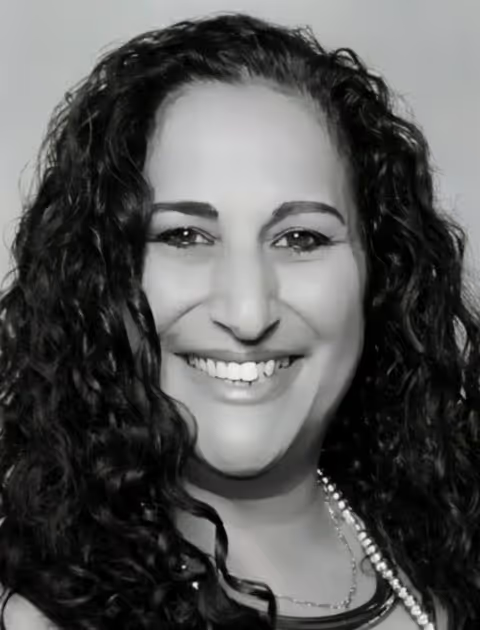
Anne Hay, ISA AM

Jason Dolph, CAGA

Ashley Innes, ISA AM

Aron Blue
About Antique Silver Appraisals in North Carolina
AppraiseItNow provides professional antique silver appraisal services throughout North Carolina, serving individuals, families, attorneys, and financial professionals who need accurate, defensible valuations for a range of purposes including donations, estate tax reporting, divorce proceedings, and probate. Whether you are settling an estate, documenting a charitable contribution for IRS compliance, dividing assets in a divorce, or navigating the probate process, our credentialed appraisers deliver thorough, USPAP-compliant reports that hold up to legal and regulatory scrutiny. Our mission is to deliver defensible, USPAP-compliant valuations with exceptional speed, professionalism, and client service.
AppraiseItNow offers both remote and onsite antique silver appraisals across North Carolina, making it easy to access professional valuations whether your collection is in Charlotte, Raleigh, Asheville, Wilmington, or anywhere else in the state. Our appraisers conduct detailed research into provenance, maker's marks, condition, and comparable market sales to produce reports that meet IRS qualified appraisal standards and satisfy the requirements of courts, financial institutions, and insurance carriers. As part of our personal property appraisal services, we offer Fair Market Value (FMV), Replacement Value, and Actual Cash Value (ACV) appraisals for various intended uses.
What Types of Antique Silver Do We Appraise in North Carolina?
Our appraisers evaluate a wide range of antique silver items, from individual heirloom pieces to large estate collections. Common subtypes we appraise include:
- Sterling silver flatware sets and serving pieces
- Silver holloware including pitchers, bowls, tureens, and tea services
- Coin silver and early American silver pieces
- English and European hallmarked silver
- Silver overlay and silver-mounted decorative objects
- Antique silver jewelry and personal accessories
- Presentation silver including trophies, cups, and commemorative pieces
- Silver candlesticks, candelabras, and ecclesiastical silver
- Antique silver frames, mirrors, and vanity sets
- Novelty silver and small collectible silver objects
North Carolina's antique silver market includes pieces from a broad range of periods and origins, and our appraisers are experienced in identifying maker's marks, assessing condition, and researching ownership history to support accurate valuations. For items regulated as precious metals under North Carolina law, including sterling silver marked at 925 parts per thousand or higher, provenance documentation gathered during the appraisal process can also support compliance with state dealer record-keeping requirements.
Who Does AppraiseItNow Serve in North Carolina?
AppraiseItNow serves a diverse range of clients across North Carolina, including estate attorneys, executors, trustees, divorcing spouses, individual collectors, heirs, nonprofit organizations, and financial advisors who need credible, court-ready antique silver appraisals for legal, tax, and insurance purposes. Whether you are working through a complex estate in the Research Triangle, donating a silver collection to a museum in Charlotte, or resolving a property dispute in the western mountains, our appraisers are equipped to provide the documentation you need.
5-Star Valuation Services, Loved by Hundreds
How much does an Antique Silver appraisal cost?
Appraisal Type
Standard Fee Range
Pricing By Volume
What Drives Cost?
.svg)
Written USPAP-compliant personal property appraisals for when defensibility matters.
Given the USPAP-compliant nature of AppraiseItNow’s appraisal reports, we prepare our deliverables for major legal, tax, and financial reporting purposes for individual and commercial clients.
Popular uses of our appraisal reports include:
Taxes, Estates & Financial Planning
- Gift Tax - IRS Form 709
- Estate Tax - IRS Form 706
- Charitable Donations - IRS Form 8283
- Estate planning, equitable distribution, and probate
- Loan Purposes
Life Events & Special Circumstances
- Divorce
- Social Security reporting or Medicaid Application Filings
- E-2 visa applications
Insurance & Risk Management
- Insurance coverage
- Insurance claims
- Third-party & legal damage claims
Frequently Asked
Questions
No Frequently Asked Questions Found.
Can AppraiseItNow appraise Antique Silver in North Carolina?
Yes, AppraiseItNow provides certified antique silver appraisals throughout North Carolina, serving clients in cities large and small as well as rural areas. Our appraisers are experienced with sterling flatware, hollowware, tea services, and other antique silver items common in North Carolina estates and collections.
What types of Antique Silver does AppraiseItNow appraise in North Carolina?
We appraise a wide range of antique silver, including sterling flatware sets, serving pieces, candlesticks, tea and coffee services, trays, pitchers, and decorative objects. We also appraise coin silver, silverplate with significant antique value, and silver jewelry when it is part of a larger collection or estate.
Are your Antique Silver appraisals USPAP-compliant?
Yes, all of our antique silver appraisals follow the Uniform Standards of Professional Appraisal Practice (USPAP). This ensures your report meets the standards required by the IRS, courts, insurers, and financial institutions.
What are common reasons someone in North Carolina needs a Antique Silver appraisal?
North Carolina residents most often request antique silver appraisals for estate tax reporting, probate proceedings, charitable donation deductions, and divorce asset division. Appraisals are also requested for insurance coverage, estate planning, and fair sale pricing.
Do you provide online or remote Antique Silver appraisals in North Carolina?
Yes, we offer remote appraisals throughout North Carolina using photographs and documentation you submit through our secure online process. This is a convenient option for most antique silver items and delivers the same USPAP-compliant report as an in-person appraisal.
How much does a Antique Silver appraisal cost in North Carolina?
Our antique silver appraisal fees in North Carolina are structured by scope and collection size:
- Standard: $195
- Advanced: $295
- Range: $395 to $2,200
- Volume pricing: 1 item at $195 to $495, 10 items at $695 to $1,200, and 50 to 100 or more items at $1,600 to $3,500 or more
The right tier depends on the number of pieces, complexity, and intended use of the appraisal.
How long does a Antique Silver appraisal take?
Most remote antique silver appraisals in North Carolina are completed within 7 to 10 business days. Onsite appraisals or larger collections typically take 2 to 3 weeks from the time we receive all necessary information and access.
Who prepares the appraisal report?
Your report is prepared by a qualified appraiser with expertise in antique silver and decorative arts. All appraisers working through AppraiseItNow follow USPAP guidelines and have no financial interest in the items being appraised, ensuring an objective and credible valuation.
Are there any North Carolina-specific regulations for Antique Silver appraisals?
North Carolina does not require a state license to appraise antique silver or other personal property, unlike real estate appraisers who are regulated under Chapter 93E. However, dealers who buy antique silver at shows must obtain special occasion permits and maintain detailed transaction records under Chapter 66, Article 45, and those records can be useful in verifying provenance during an appraisal.
Do you prepare appraisals for IRS Form 8283 (Noncash Charitable Contributions)?
Yes, we prepare qualified appraisals that support IRS Form 8283 for donated antique silver. If your claimed deduction exceeds $5,000 in fair market value, a qualified appraisal is required, and our reports include all necessary components such as item descriptions, photographs, valuation methodology, comparable sales, and a signed appraiser certification.
Do you buy, sell, or broker Antique Silver?
No, AppraiseItNow does not buy, sell, or broker antique silver. We provide independent appraisals only, which protects the objectivity of your report and ensures it will be accepted by the IRS, courts, and insurers.
What information do you need to get started?
To begin your antique silver appraisal, we need clear photographs of each piece, any known maker's marks or hallmarks, a description of the items, and the intended purpose of the appraisal. Provenance documents, prior appraisals, or purchase records are helpful but not required to get started.
Will my appraisal be accepted by the IRS, insurers, or courts in North Carolina?
Our USPAP-compliant appraisal reports are prepared to meet the standards required by the IRS, North Carolina probate courts, insurance companies, and other institutions. We provide the documentation, methodology, and certifications that these parties expect for donations, estate taxes, divorce proceedings, and probate matters.
How does North Carolina law affect antique silver dealer transactions and appraisals?
Under Chapter 66, Article 45, dealers buying antique silver at North Carolina antique shows must obtain a special occasion permit, pass a background check, and maintain detailed records including item descriptions, seller identification, purchase price, and a 7-day hold before resale. These transaction logs can help appraisers verify provenance and ownership history, though they do not directly determine appraised value, which is always based on market standards.
What information do North Carolina precious metals dealers record for antique silver transactions?
North Carolina law requires dealers to log seller details such as name, address, phone number, driver's license number or two alternate forms of ID, along with item descriptions, purchase price, date, and signatures from both parties. Antique silver covered by these rules is defined as items with at least 925 parts per thousand silver content or marked "sterling," excluding coins. These records can support an appraiser's provenance research during estate or probate work.
How does North Carolina's property tax standard apply to antique silver valuations?
North Carolina assesses personal property including antique silver at "true value in money" under G.S. 105-283 and 105-284, using methods such as comparable sales, replacement cost, and adjustments for age, condition, obsolescence, and economic utility. This approach differs from simply calculating melt value, meaning pieces with outdated styles or limited utility may be assessed lower than their silver content alone would suggest. County Schedules of Values are updated during reappraisal cycles to reflect current market conditions.
What value types are used for antique silver appraisals in North Carolina?
The appropriate value type depends on the purpose of your appraisal. Fair Market Value is used for donations, estate taxes, and probate; Replacement Value is used for insurance coverage; and Actual Cash Value reflects depreciation and is used in certain insurance or legal contexts. We identify and apply the correct value type based on your specific need.
What are common mistakes in antique silver appraisals for North Carolina probate or estate taxes?
Common errors include incomplete ownership documentation, failure to reference dealer transaction logs available under Chapter 66, and relying on price guides rather than current market data and USPAP-compliant research. These mistakes can lead to IRS challenges, estate disputes, or valuations that either shortchange heirs or trigger unnecessary tax liability. A thorough appraisal addresses provenance, condition, comparable sales, and proper methodology to avoid these pitfalls.
APPRAISEITNOW APPRAISERS ARE BEST-IN-CLASS & CREDENTIALED BY LEADING APPRAISAL ORGANIZATIONS LIKE THE ISA, ASA, & MORE.




