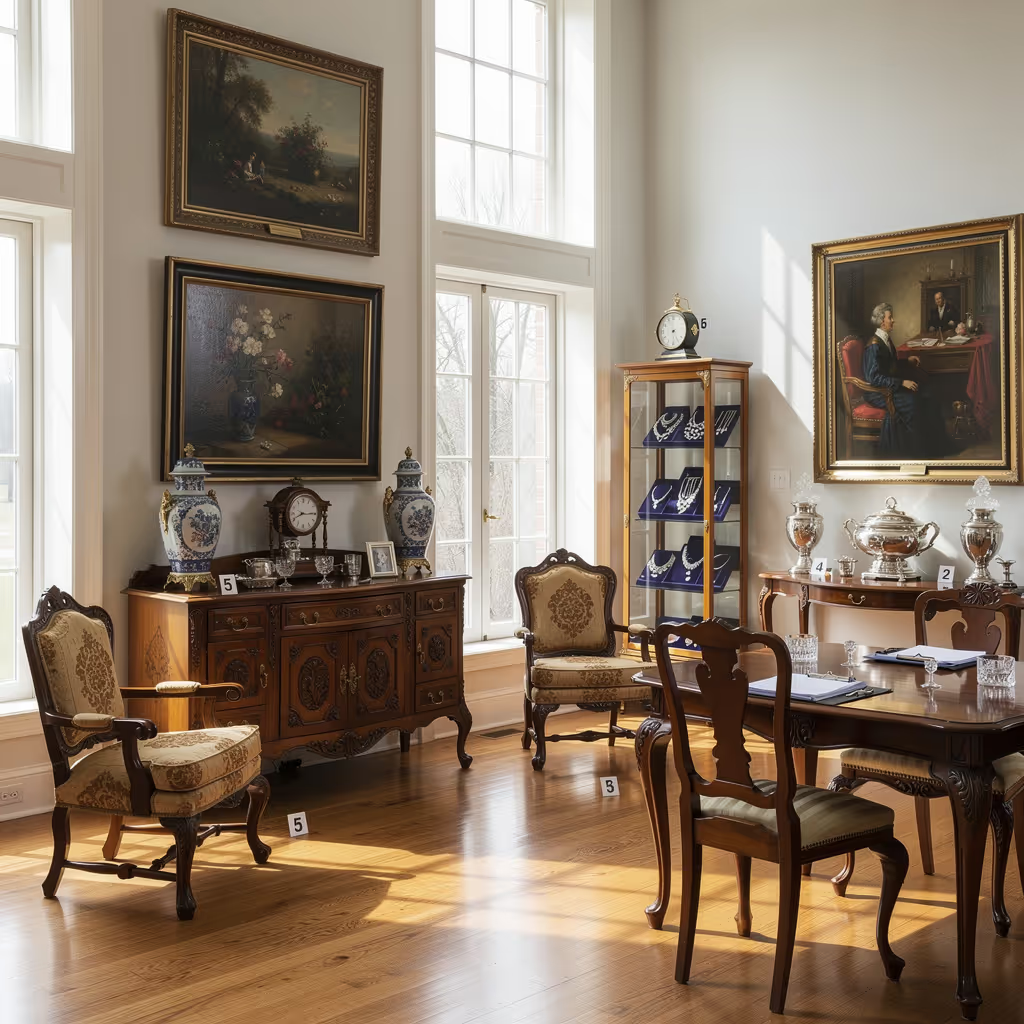
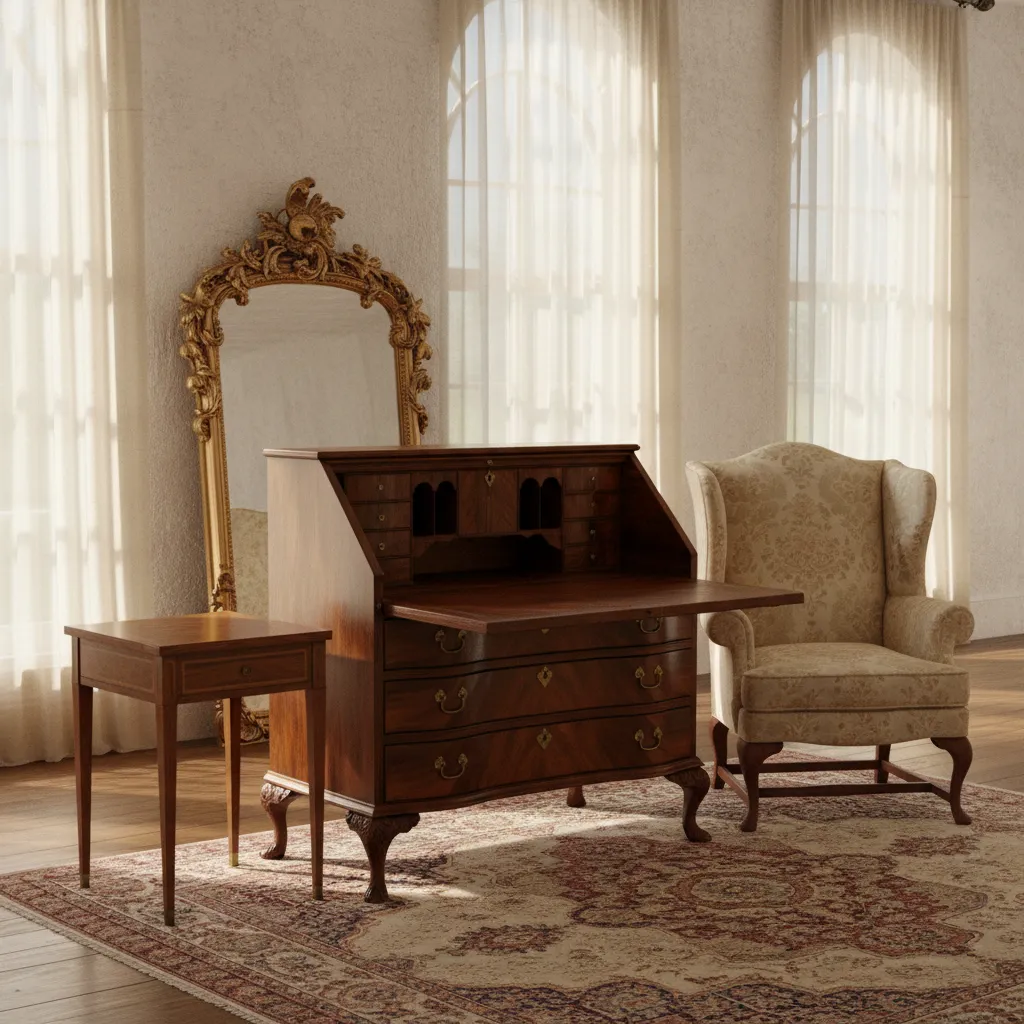
IRS-qualified antique furniture appraisals in Iowa for donations, estate tax, divorce, and probate. AppraiseItNow appraises Victorian furniture, colonial pieces, antique wardrobes, vintage dining sets, and period chairs online and onsite across Iowa, including Des Moines, Cedar Rapids, and Davenport.


AppraiseItNow provides professional antique furniture appraisal services throughout Iowa, supporting clients who need certified valuations for donations, estate tax, divorce, and probate proceedings. Whether you are settling an estate, dividing marital assets, claiming a charitable deduction, or navigating probate court, a credentialed appraisal ensures your antique furniture is accurately valued and fully documented to meet IRS and legal requirements. Our personal property appraisal specialists follow USPAP standards and IRS guidelines, providing the signed certifications, detailed item descriptions, market data analysis, and comparable sales documentation required for legally defensible reports. Our mission is to deliver defensible, USPAP-compliant valuations with exceptional speed, professionalism, and client service.
AppraiseItNow serves Iowa clients through both remote online appraisals and onsite inspections, giving you flexibility regardless of where your antique furniture is located, whether in Des Moines, Cedar Rapids, Iowa City, Sioux City, or a rural community across the state. Remote appraisals are conducted using high-resolution photographs and detailed item documentation, while onsite appraisals allow our specialists to perform physical inspections under proper lighting conditions with full measurement and condition documentation. We offer Fair Market Value (FMV), Replacement Value, and Actual Cash Value (ACV) appraisals for various intended uses.
Our appraisers evaluate a wide range of antique furniture styles, periods, and construction types commonly found in Iowa homes, estates, and collections, including:
Iowa estates and farmsteads frequently contain multi-generational furniture collections that span several periods and regional styles. Our appraisers have the specialized knowledge to authenticate construction methods, identify period joinery techniques, assess condition and restoration work, and research provenance, ensuring that every piece receives an accurate, well-supported valuation.
AppraiseItNow serves Iowa individuals, families, attorneys, estate administrators, financial advisors, and nonprofit organizations who need certified antique furniture appraisals for tax filings, legal proceedings, insurance coverage, or asset distribution. From single-piece valuations to comprehensive estate inventories, we provide the professional documentation and credentialed expertise that Iowa clients and their advisors require.
Given the USPAP-compliant nature of AppraiseItNow’s appraisal reports, we prepare our deliverables for major legal, tax, and financial reporting purposes for individual and commercial clients.
Popular uses of our appraisal reports include:
No Frequently Asked Questions Found.
Yes, AppraiseItNow provides certified antique furniture appraisals throughout Iowa, covering both remote and onsite assignments. Our appraisers are experienced with the full range of purposes Iowa clients need, including donations, estate tax, divorce, and probate.
We appraise a wide variety of antique furniture, including period pieces, regional American styles, Victorian and Colonial Revival furniture, farmhouse and primitive pieces, and formal dining and bedroom sets. Whether you have a single heirloom or a large estate collection, we can handle the assignment.
Yes, all of our antique furniture appraisals follow Uniform Standards of Professional Appraisal Practice (USPAP) guidelines. This ensures your report meets the standards required by the IRS, courts, insurers, and financial institutions in Iowa.
Iowa clients most often request antique furniture appraisals for charitable donation deductions, estate tax filings, divorce asset division, and probate proceedings. Insurance coverage and damage claims are also common reasons to obtain a current, documented valuation.
Yes, we offer remote appraisals for antique furniture throughout Iowa. You submit photographs and item details, and our appraisers complete a thorough USPAP-compliant report without requiring an in-person visit in most cases.
Our antique furniture appraisal fees in Iowa are structured by scope and complexity:
Contact us to discuss which tier fits your specific needs.
Most remote antique furniture appraisals in Iowa are completed within 7 to 10 days. Onsite assignments or larger collections typically take 2 to 3 weeks.
Your report is prepared by a credentialed personal property appraiser with expertise in antique furniture. All appraisers working through AppraiseItNow follow USPAP standards and maintain the independence required for tax, legal, and insurance purposes.
Iowa has codified specific requirements for insurance appraisals, including rules effective for policies issued or renewed after January 1, 2026. These rules require licensed, disinterested appraisers and set strict timelines for disputes involving actual cash value or amount of loss. Our appraisers are familiar with Iowa's regulatory framework and ensure reports align with both state requirements and USPAP standards.
Yes, we prepare qualified appraisals that meet IRS requirements for Form 8283, which is required for antique furniture donations valued over $5,000. Our reports include appraiser credentials, detailed item descriptions, photographs, valuation methodology, comparable sales data, and a signed certification statement.
No, AppraiseItNow does not buy, sell, or broker antique furniture. We provide independent appraisals only, which preserves the objectivity and impartiality required by USPAP and the IRS.
To begin your antique furniture appraisal in Iowa, we typically need clear photographs of each piece, dimensions, any known provenance or ownership history, documentation of prior restorations or damage, and the intended purpose of the appraisal. The more detail you can provide, the more accurate and defensible your report will be.
Yes, our USPAP-compliant reports are prepared to meet the standards required by the IRS, Iowa courts, insurance carriers, and financial institutions. We document methodology, comparable market data, and appraiser qualifications to ensure your report holds up under scrutiny.
Iowa requires that all property insurance policies issued or renewed after January 1, 2026, follow a statutory appraisal timeline for disputes over actual cash value or amount of loss. Each party selects a licensed appraiser within 20 calendar days of a written demand, appraisers have 15 days to agree on an umpire, and both appraisers submit separate valuations within 45 days of umpire selection. The umpire then issues a written, itemized award within another 45 days.
Yes, Iowa requires each party to select a licensed appraiser from the state-approved list within 20 days of a written appraisal demand. The appraiser must provide a written attestation confirming they are competent and disinterested, and selections should align with Iowa's AQB criteria and USPAP standards for personal property expertise.
Fair market value is the standard for Iowa estate and probate proceedings, representing what a piece would sell for between a willing buyer and seller in the open market. Replacement value is used for insurance and reflects retail replacement cost, while donation value for tax purposes falls somewhere in between. Using the correct value type for your specific purpose is essential to avoid tax penalties or disputes among heirs.
Antique furniture appraisals generally remain valid for 1 to 2 years depending on purpose, but updating every 3 to 5 years is a good practice to reflect market changes. You should also update sooner if a piece has been restored, damaged, or if Iowa auction market activity has shifted comparable sales significantly.
The most common mistakes include failing to document ownership history, exhibition records, and authentication certificates, all of which are essential for IRS compliance. Appraisers who overlook period-specific construction details, materials, and stylistic analysis risk producing inaccurate valuations that can trigger penalties or fraud scrutiny. In Iowa, a defensible tax appraisal requires thorough workfiles, current market data, and full appraiser independence.