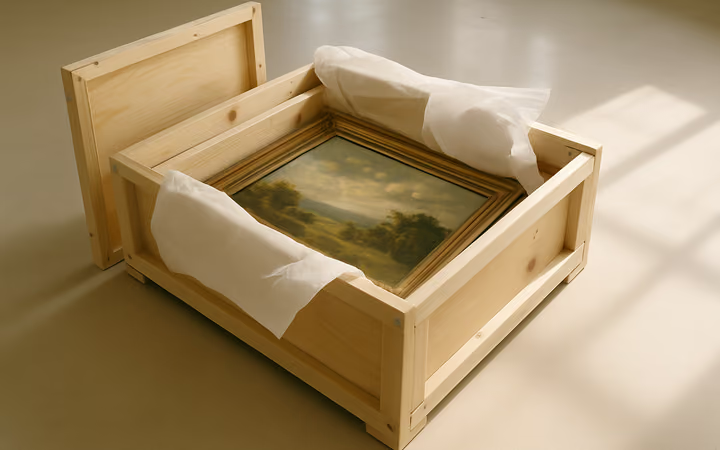








IRS-qualified antique artwork appraisals in Minnesota for donations, estate tax, insurance, and divorce. AppraiseItNow appraises oil paintings, sculptures, prints, decorative arts, and folk art online and onsite across Minnesota, including Minneapolis, Saint Paul, and Duluth.


AppraiseItNow provides specialized antique artwork appraisal services throughout Minnesota, delivering USPAP-compliant valuations for a wide range of purposes including charitable donations, estate tax filings, insurance coverage, and divorce proceedings. Minnesota estates frequently surface unexpected high-value pieces, from 19th-century oil paintings to Asian antiques and folk art, making professional appraisal essential for accurate reporting and legal compliance. Whether you are an heir navigating probate, a donor claiming a deduction for artwork valued over $5,000, or an attorney managing a complex estate, our IRS-qualified appraisers produce reports that meet the documentation standards required by the IRS, insurers, and courts. Our mission is to deliver defensible, USPAP-compliant valuations with exceptional speed, professionalism, and client service.
Many antique artwork appraisals in Minnesota can be completed remotely using high-resolution photographs and provenance documentation, while onsite inspections are coordinated across the Twin Cities, greater Minnesota, and regional centers when condition assessment, scale, or attribution complexity requires direct examination. As a specialized component of fine art and decorative art appraisals, our antique artwork services address the unique valuation challenges posed by period attribution, provenance research, and shifting collector markets. We offer Fair Market Value (FMV) and Replacement Value appraisals for various intended uses.
Minnesota collections reflect the state's rich cultural history, with estate appraisals regularly uncovering European paintings, Scandinavian folk art, American primitives, and decorative objects spanning multiple centuries. Our appraisers evaluate antique artwork across a broad range of media and traditions, including:
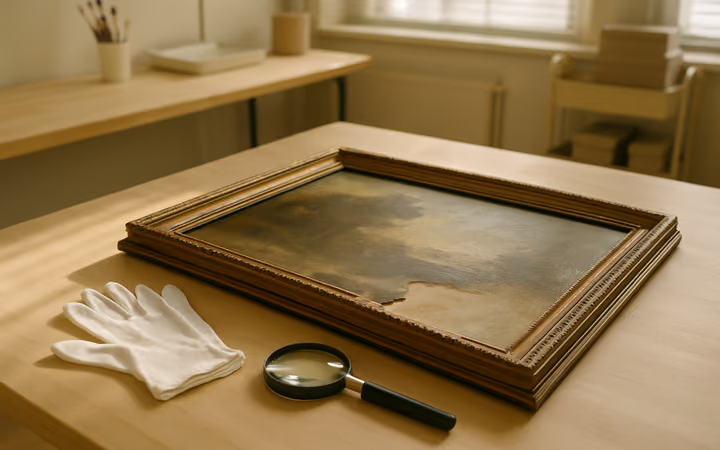
Minnesota appraisers pay particular attention to provenance documentation, condition assessment, and auction comparable research, drawing on secondary market data to support FMV determinations for IRS and estate purposes. Onsite appraisals in the Twin Cities and across greater Minnesota include precise measurements, high-resolution photography, and full condition reporting to produce defensible, court-ready valuations.
AppraiseItNow serves individual collectors, heirs, donors, estate attorneys, CPAs, trust officers, and auction specialists throughout Minnesota who require credible, IRS-qualified antique artwork appraisals for donations, estate tax filings, insurance, and legal proceedings.
Given the USPAP-compliant nature of AppraiseItNow’s appraisal reports, we prepare our deliverables for major legal, tax, and financial reporting purposes for individual and commercial clients.
Popular uses of our appraisal reports include:
No Frequently Asked Questions Found.
Yes, AppraiseItNow provides professional antique artwork appraisals throughout Minnesota, including the Twin Cities metro and surrounding areas. Our appraisers are experienced with the full range of antique art categories and deliver USPAP-compliant reports for any purpose you need.
We appraise a wide variety of antique artwork, including oil paintings, watercolors, prints, drawings, sculptures, decorative art, porcelain, Asian antiques, and folk art. Whether you have a single inherited piece or a large estate collection, we have the expertise to value it accurately.
Yes, all of our antique artwork appraisals follow the Uniform Standards of Professional Appraisal Practice (USPAP). This ensures your report meets the requirements of the IRS, insurance companies, courts, and other institutions.
Minnesota clients most often request antique artwork appraisals for charitable donations, estate tax filings, insurance coverage, and divorce proceedings. Each purpose requires a specific value type and report format, and our appraisers tailor every report accordingly.
Yes, AppraiseItNow offers remote appraisals for antique artwork across Minnesota. You submit photos, provenance documents, and item details, and our appraisers complete a fully USPAP-compliant report without requiring an in-person visit.
Our antique artwork appraisal fees are structured as follows:
The right tier depends on the complexity of the item and the intended use of the appraisal.
Simple antique artwork appraisals are typically completed in 5 to 7 days. Advanced assignments, such as large collections or complex estate matters, generally take 2 to 3 weeks.
All reports are prepared by qualified appraisers with specialized knowledge in antique artwork. Our appraisers follow USPAP standards and have experience producing reports accepted by the IRS, insurance carriers, and legal professionals.
Minnesota Chapter 82B primarily governs real estate appraisals, not art appraisals, so antique artwork appraisers are not required to hold a state license. However, USPAP compliance is still required, and appraisers must disclose any prior appraisals on the same piece within the past three years, conflicts of interest, and key assumptions used in the valuation.
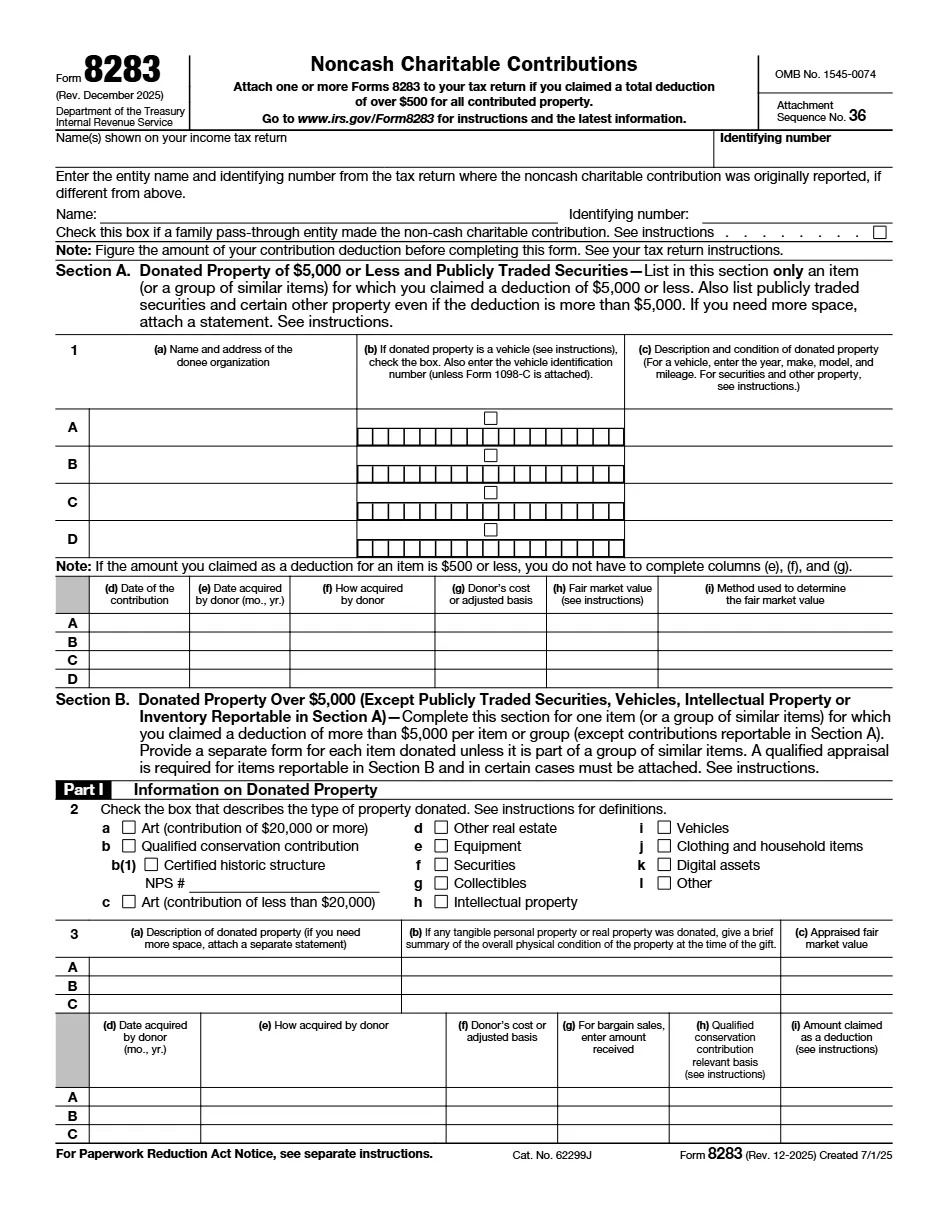
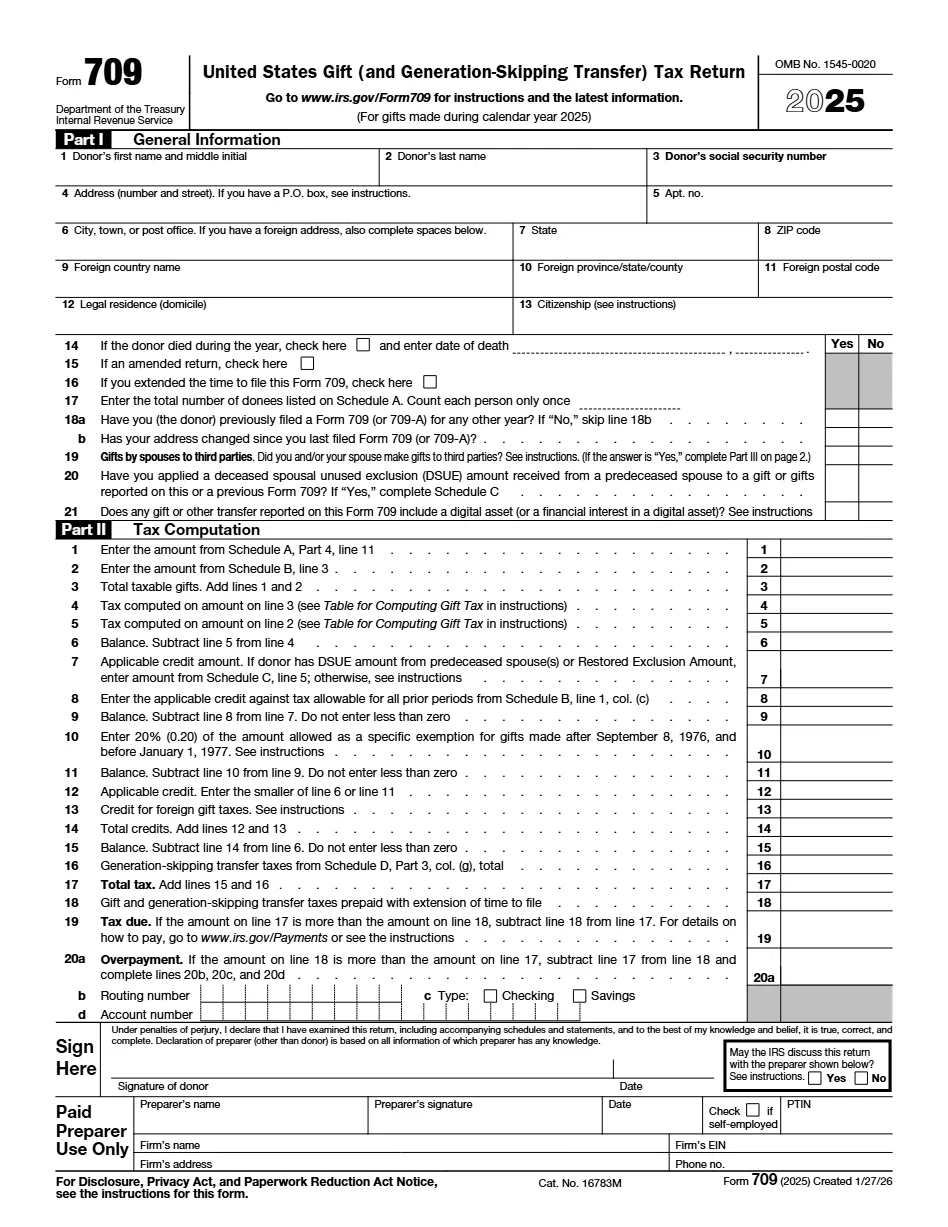
Yes, we prepare appraisals specifically designed to support IRS Form 8283 for donated antique artwork. For items valued over $5,000, the IRS requires a qualified appraisal with a full description, provenance, high-resolution photos, and comparable sales data, all of which our reports include.
No, AppraiseItNow is strictly an appraisal firm. We do not buy, sell, or broker antique artwork, which ensures our valuations remain fully independent and impartial.
To begin your antique artwork appraisal, it helps to provide high-resolution photographs, known provenance or ownership history, any prior appraisals, exhibition records, and the intended purpose of the appraisal. The more documentation you can share, the more accurate and defensible your report will be.
Our USPAP-compliant reports are prepared to meet the standards required by the IRS, insurance companies, and Minnesota courts. We document comparable sales, provenance, condition, and market context to ensure your appraisal holds up under scrutiny.
Unlike real estate appraisals governed by Minnesota Chapter 82B, antique artwork appraisals do not require a state license but must still follow USPAP. Appraisers are required to disclose prior appraisals on the same piece within three years, any conflicts of interest, and all assumptions used, mirroring the transparency standards applied to licensed real estate appraisers.
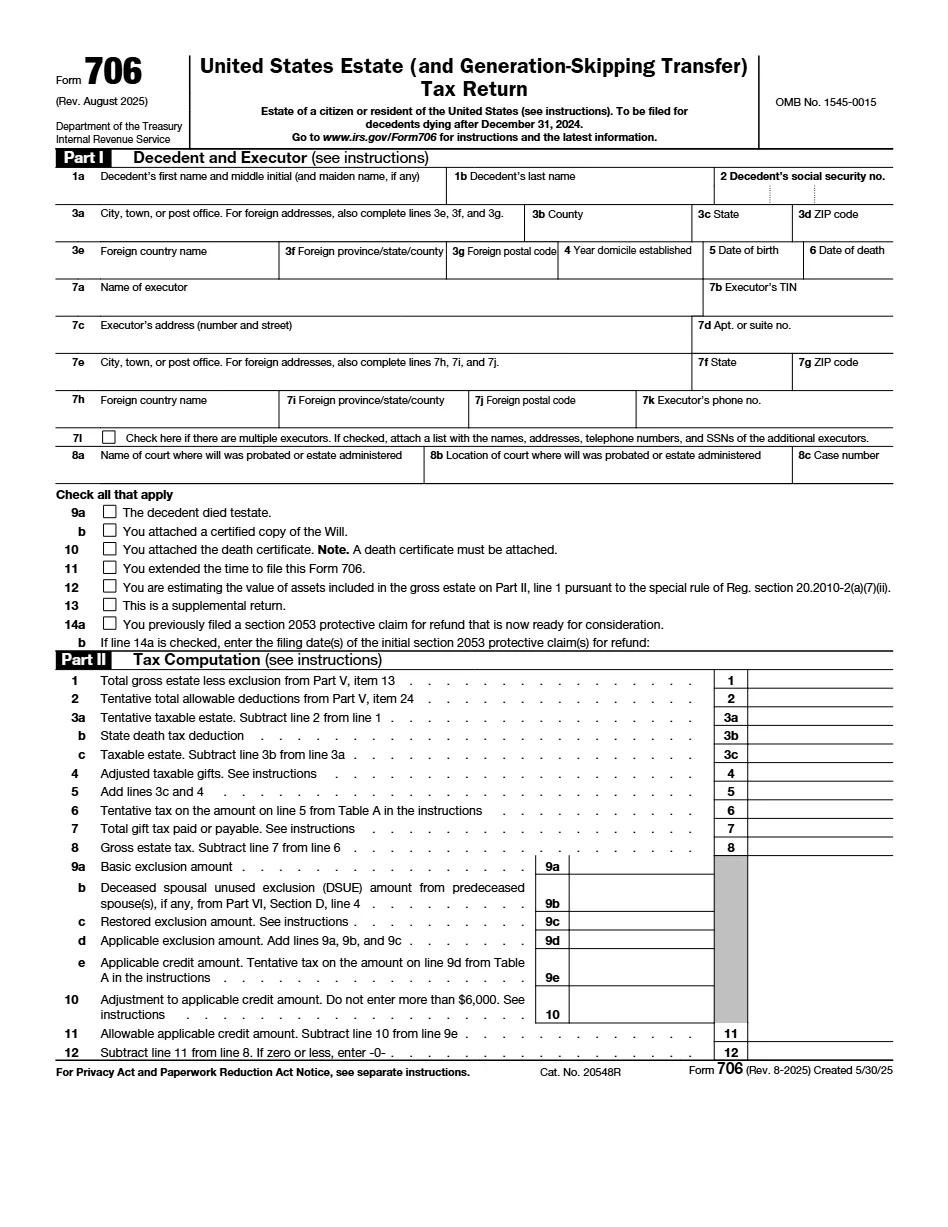
A professional appraisal is required when the fair market value of inherited antique artwork exceeds $5,000 for estate tax purposes. Reports must include auction comparables, provenance, and high-resolution photos per IRS Publication 5497, and items valued over $50,000 may be subject to additional review by the IRS Art Advisory Panel.
Appraisers collect ownership history, exhibition records, and authenticity documentation, then integrate that information into a USPAP-compliant report. High-resolution photographs meeting IRS Publication 5497 standards are captured alongside condition assessments to support a defensible fair market value determination.
The most common mistakes include underestimating the value of overlooked items like paintings or porcelain, failing to provide full provenance, and using inappropriate comparables without proper market context. Neglecting condition assessments or ignoring current economic factors can also result in a valuation that does not align with auction or retail realities.
The Twin Cities estate market frequently surfaces high-value items through estate sales, and appraisers rely on secondary auction comparables rather than retail pricing to establish fair market value. Regional demand for paintings and Asian antiques, along with current market trends and artist standing, all factor into accurate valuations for Minneapolis and St. Paul area clients.
The IRS requires a USPAP-compliant appraisal report that includes a full description of the artwork, provenance, acquisition history, authenticity proof, high-resolution photos, and comparable sales data. Items valued over $50,000 may be reviewed by the IRS Art Advisory Panel, making thorough documentation especially important.