












USPAP-compliant total loss appraisals establishing actual cash value to challenge insurer settlements. AppraiseItNow provides independent vehicle valuations using verified comparables and loss-date ACV analysis, giving you the documentation needed to secure a fair payout.


When an insurer declares your car a total loss, the settlement offer they present is based on their internal estimate of your vehicle's actual cash value as of the date of loss. That figure is often lower than what the market actually supports, particularly for low-mileage vehicles, special editions, or cars with documented maintenance histories. AppraiseItNow provides independent, USPAP-compliant total loss appraisals for passenger cars, giving policyholders a credentialed, defensible valuation they can use to invoke the appraisal clause in their policy or negotiate directly with their insurer. Our vehicle appraisal services cover all makes, models, and configurations nationwide.
We deliver appraisals both online and through onsite inspections across the United States. Whether you need to formally dispute a settlement through your policy's appraisal clause or simply want an independent benchmark before accepting an offer, our total loss valuation services are structured to support that process from start to finish. Our mission is to deliver defensible, USPAP-compliant valuations with exceptional speed, professionalism, and client service.
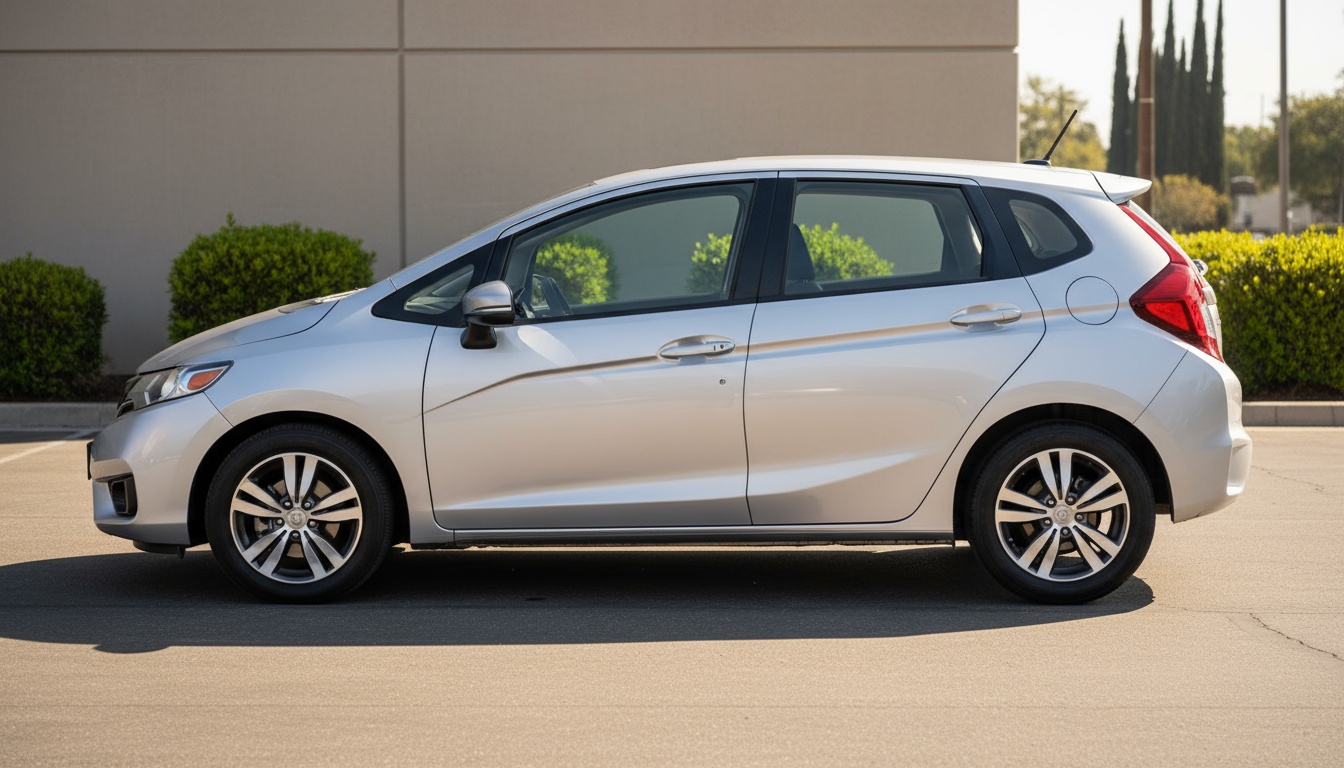
AppraiseItNow appraises a wide range of passenger vehicles when a total loss declaration is in dispute or under review.
Our appraisers hold credentials through recognized professional organizations including ISA, ASA, AAA, and AMEA, with hands-on experience in automotive valuation and total loss disputes.
A car total loss appraisal determines the actual cash value of your vehicle as of the date of loss, using verified market comparables, VIN decoding, and condition analysis to produce an independent, USPAP-compliant report. The goal is to give you a defensible, data-backed valuation you can use to challenge or negotiate an insurer's settlement offer when your car has been declared a total loss.
You typically need one when your insurer has declared your car a total loss and you believe their actual cash value offer is too low. Most auto insurance policies include an appraisal clause that allows you to invoke an independent appraisal process when you and the insurer cannot agree on value, and this appraisal is the formal step that triggers that process.
Appraisers handling total loss disputes should be credentialed through recognized organizations such as ISA, ASA, or AAA, and should demonstrate specific experience with auto valuation and total loss methodology. USPAP compliance is essential, as is independence from the insurer, to ensure the report holds up in a dispute or legal proceeding.
Appraisers establish actual cash value as of the loss date by analyzing local comparable sales matched for make, model, trim, mileage, and condition, with transparent adjustments for any differences. VIN-decoded features, pre-loss mechanical condition, maintenance history, and regional market trends all factor into the final opinion of value.
Yes, all AppraiseItNow appraisals are fully USPAP-compliant. Each report includes a stated valuation date, documented methodology, appraiser credentials, and a non-contingent fee declaration, meeting the standards required for insurance disputes and legal proceedings.
Turnaround is typically 3 to 5 days, depending on the complexity of the vehicle and the volume of assets being appraised. Providing complete documentation upfront, including photos, VIN, and any repair estimates, helps keep the process on schedule.
Fees for total loss car appraisals fall under the advanced appraisal category, starting at $295 for a single vehicle, with a typical range of $295 to $495 depending on complexity. Factors that affect cost include the condition analysis required, documentation quality, and any specialty or modified vehicle considerations. All fees are quoted as a fixed price before work begins. Visit our auto appraisal page for more detail.
Yes, AppraiseItNow provides car appraisals nationwide. Our appraisers work across all 50 states, so your location does not limit your ability to get a credentialed, USPAP-compliant total loss appraisal.
AppraiseItNow appraisals are prepared to qualified appraisal standards, including a stated valuation date, documented methodology, appraiser credentials, and a non-contingent fee declaration. While no appraisal firm can guarantee acceptance in every context, following these standards significantly reduces the risk of challenge and positions your report well for use in appraisal clause proceedings or legal disputes.
Total loss rules differ across the country. Roughly half of states use a Total Loss Formula, where the sum of repair costs and salvage value meets or exceeds the vehicle's actual cash value, while other states apply a fixed percentage threshold of ACV, typically ranging from 60 to 100 percent. Insurers may also declare a total loss based on internal criteria, so understanding your state's specific rule matters when evaluating your options.
Insurers typically use proprietary valuation tools that compare your vehicle's make, model, age, mileage, and condition against market data, but these tools do not always reflect local comparable sales accurately. An independent appraisal uses verified sales data and transparent adjustments to produce a value you can use to challenge the insurer's figure through the policy's appraisal clause.
The key inputs include pre-loss condition, VIN-decoded trim level and factory options, mileage-matched local comparable sales rather than listings, and adjustments for regional demand. Maintenance history, unique features, and market conditions as of the loss date all refine the final actual cash value opinion.
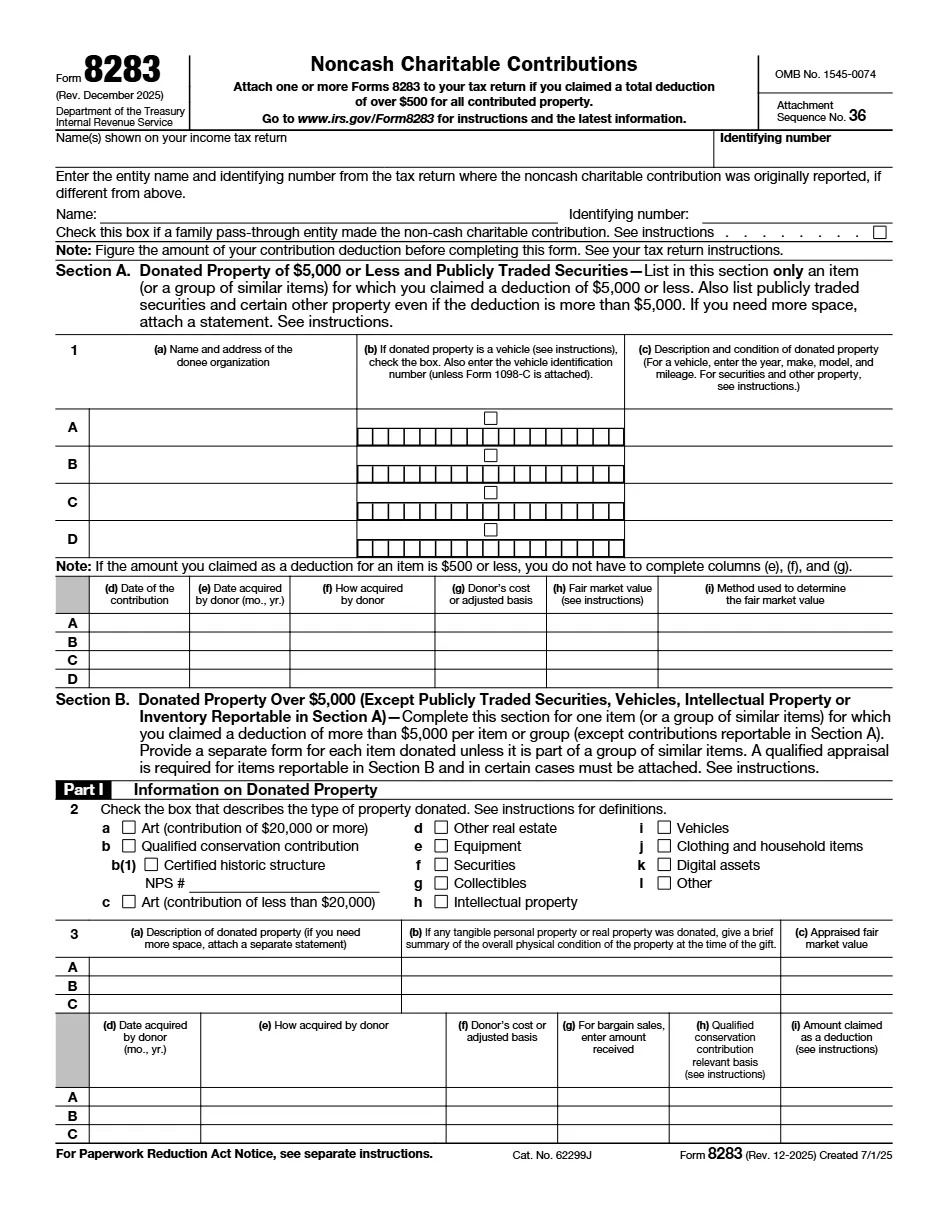
No IRS rules or thresholds apply directly to total loss car appraisals, since these appraisals address insurance settlements rather than tax events. If you are separately exploring a casualty loss deduction, that follows distinct IRS guidelines, but the total loss appraisal itself is focused on establishing actual cash value for your insurance dispute.
Helpful materials include repair estimates, pre-loss and post-loss photos, maintenance records, your insurance policy, and any correspondence with the insurer about the loss. Clear documentation of the vehicle's condition and history allows the appraiser to build a stronger, more defensible report.
You should invoke the appraisal clause in writing to your insurer before accepting any settlement payment, clearly stating that you are invoking the clause and naming your independent appraiser. Most policies set a time limit for invoking this right, often tied to the policy period or a specific deadline after the loss, so acting promptly after negotiations stall is important.