Charitable Donation appraisals in Pennsylvania for personal property, equipment and machinery, fine art, business interests, boats and watercraft, automobiles and vehicles, and inventory. AppraiseItNow provides credentialed, USPAP-compliant Charitable Donation appraisals online and onsite across Pennsylvania, including Philadelphia, Pittsburgh, and Allentown.
.png)


No Frequently Asked Questions Found.
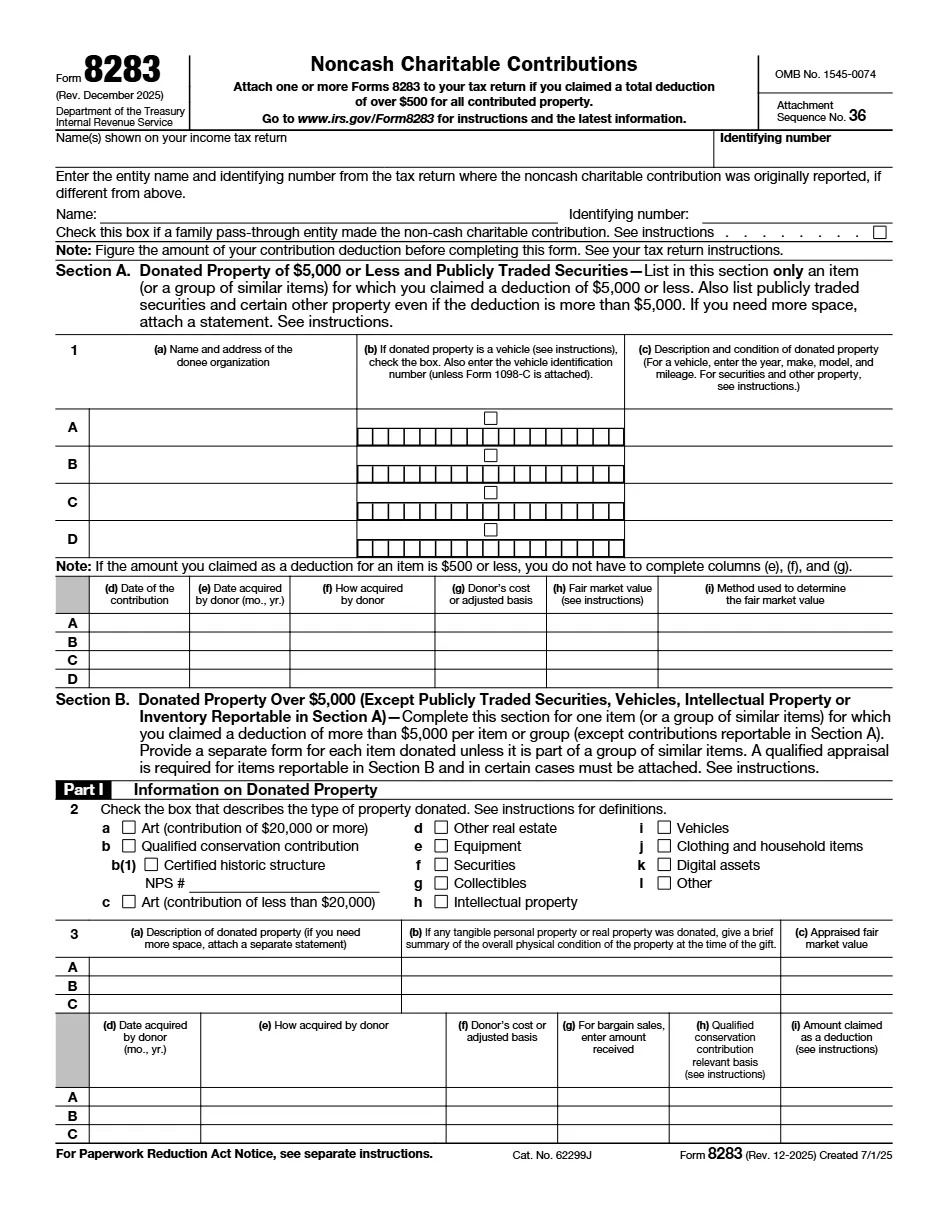
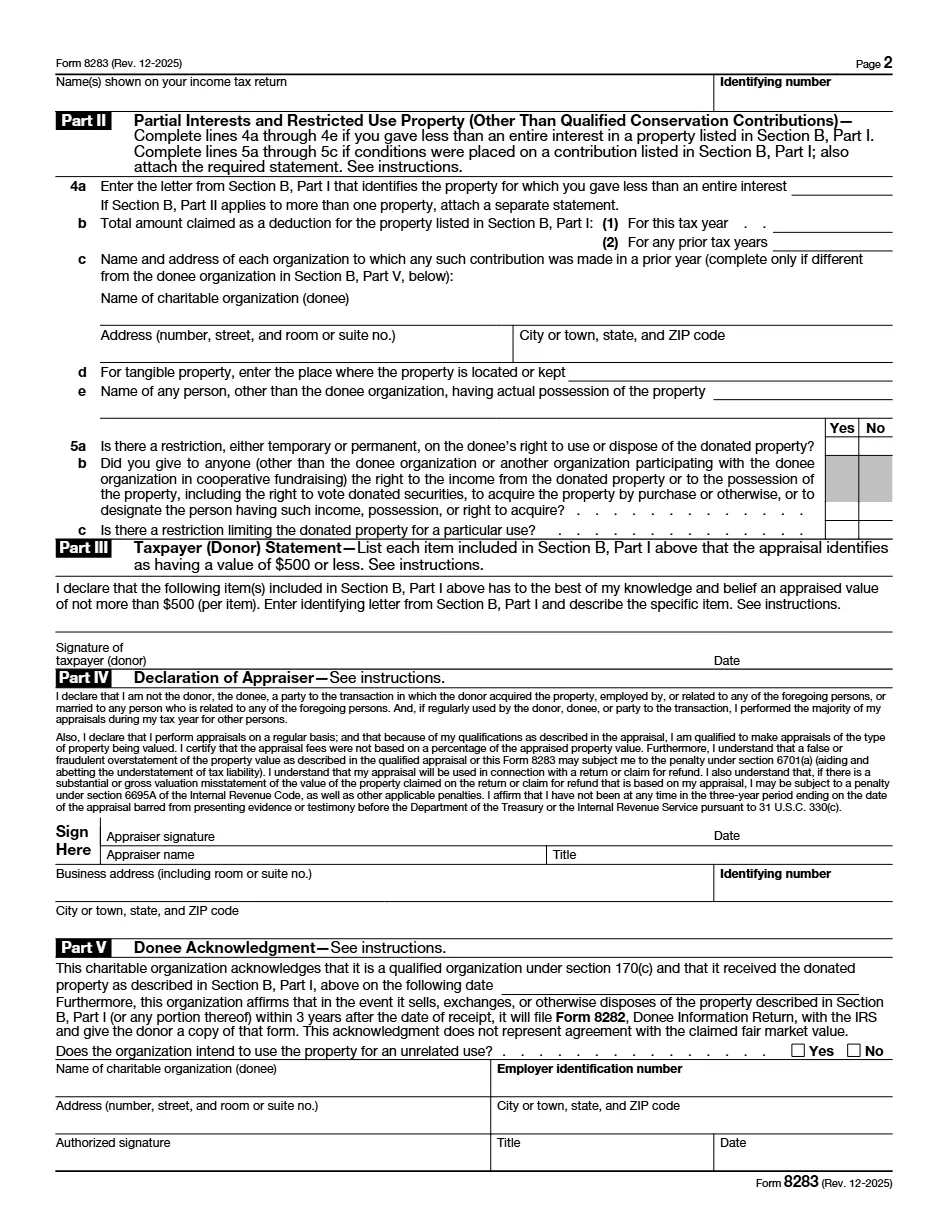
AppraiseItNow provides qualified charitable donation appraisals for Pennsylvania donors contributing non-cash property to qualifying organizations. The IRS requires a qualified appraisal for non-cash contributions exceeding $5,000, with IRS Form 8283 Section B completed and signed by both the appraiser and the donee organization. Pennsylvania donors benefit from additional planning considerations, including the state's inheritance tax structure, which can make charitable gifts of appreciated assets particularly advantageous. Our mission is to deliver defensible, USPAP-compliant valuations with exceptional speed, professionalism, and client service.
AppraiseItNow serves clients throughout Pennsylvania via both remote and onsite appraisal options, making it easy to get a compliant valuation regardless of your location. Our appraisal services in Pennsylvania cover urban centers like Philadelphia and Pittsburgh as well as rural and agricultural communities across the state.
AppraiseItNow covers all major asset classes commonly requiring a qualified appraisal for charitable donation purposes in Pennsylvania, including:
AppraiseItNow serves individual donors, estate planners, business owners, collectors, and nonprofit advisors throughout Pennsylvania who need IRS-compliant appraisals to substantiate non-cash charitable contribution deductions. Clients range from Philadelphia-area art collectors and Pittsburgh manufacturers donating equipment to rural Pennsylvania families gifting business interests or personal property to qualifying organizations.
Yes, AppraiseItNow provides charitable donation appraisals throughout Pennsylvania, covering a wide range of asset types for donors seeking IRS-compliant valuations. Whether you are donating to a local nonprofit, museum, or land trust, our appraisers are equipped to support your filing needs.
We appraise a broad range of assets for charitable donation purposes, including artwork, antiques, collectibles, jewelry, vehicles, business interests, equipment, and inventory. Each appraisal is tailored to the specific asset and the documentation requirements of your donation.
Yes, all of our appraisals follow the Uniform Standards of Professional Appraisal Practice, which is the standard required by the IRS for qualified appraisals supporting noncash charitable deductions. USPAP compliance ensures your report will hold up to scrutiny from the IRS or any reviewing authority.
Pennsylvania's inheritance tax structure, which taxes family transfers at rates between 4.5% and 15% but exempts charitable gifts entirely, makes precise appraisals especially valuable for estate planning. Donors who give high-value assets to charity can substantiate the fair market value of those gifts and reduce their overall estate tax liability in ways that go beyond the federal income tax deduction alone.
Yes, many of our appraisals can be completed remotely using photographs, documentation, and supporting records you provide. For certain asset types, an in-person inspection may be recommended, but our team will walk you through the best approach for your specific situation.
Fees depend on the asset type and the scope of the appraisal. Visit our pricing page for ranges or contact us directly.
Turnaround times vary by asset type:
Our reports are prepared by qualified appraisers with relevant expertise in the asset category being valued. Each appraiser meets the IRS definition of a qualified appraiser, meaning they hold the appropriate credentials, have no prohibited relationship to the donor or donee, and sign the completed report as required on IRS Form 8283.
Pennsylvania does not impose state-level appraisal requirements for charitable donations, so federal IRS rules govern entirely. However, the state's inheritance tax exemption for charitable gifts makes thorough, well-documented appraisals particularly worthwhile for Pennsylvania donors engaged in estate planning.
To begin, it helps to have a description of the asset, any available purchase records or prior appraisals, photographs if applicable, and the intended recipient charity's information. The more detail you can share upfront, the faster we can scope the engagement and get your appraisal underway.
Yes, our appraisals are prepared to meet IRS qualified appraisal standards, which is the requirement for claiming noncash charitable deductions over $5,000 on your federal return. Pennsylvania donors use the same federal forms and standards, so a properly prepared report from our team will support your IRS Form 8283 filing.
Pennsylvania's 0% inheritance tax rate on charitable gifts, compared to rates of 4.5% to 15% on transfers to family members, creates a meaningful financial incentive to document donated assets carefully. A precise appraisal substantiates the fair market value of the gift and supports both the federal income tax deduction and the state-level estate planning benefit, making accuracy especially important for Pennsylvania donors.
The appraisal must value the property based on its fair market value as restricted by the conservation easement, not its unrestricted potential value. This approach, required under federal Treasury regulations, is particularly relevant for agricultural and rural gifts to Pennsylvania land trusts, and no additional state rules apply beyond the federal IRS standards.
Section A of IRS Form 8283 covers noncash donations valued between $500 and $5,000, requiring only a description of the asset without a formal appraisal. Section B applies to non-publicly traded property valued above $5,000 and requires a qualified appraisal, the appraiser's signature, and completion by the receiving charity. These thresholds apply uniformly across all states, including Pennsylvania.
Not necessarily. The IRS requires that a qualified appraisal be prepared no earlier than 60 days before the donation date, but it can be completed after the donation as long as it is finished by the due date of your tax return, including any extensions. Pennsylvania donors should still aim for timely preparation to ensure the valuation accurately reflects conditions at the time of the gift.
No. The IRS prohibits self-appraisals when the appraiser is also the donor, regardless of professional credentials or licensing. Court cases such as Mohamed v. Commissioner have confirmed that deductions can be denied under these circumstances, and Pennsylvania licensing does not override the federal independence requirement.
For artwork or collectibles valued at $20,000 or more, you must attach a copy of the qualified appraisal to your tax return along with a completed IRS Form 8283 Section B. This requirement applies regardless of whether the IRS Art Advisory Panel reviews the piece, which is only triggered for items valued at $50,000 or more during an audit.
No. A post-filing appraisal cannot retroactively cure a deficient original filing. The qualified appraisal and properly completed IRS Form 8283 must be in place at the time you file, and courts have consistently upheld this requirement, meaning Pennsylvania donors face the same strict compliance standards as donors anywhere in the country.