
Probate appraisals in New Mexico for personal property, equipment and machinery, fine art, boats and watercraft, and automobiles and vehicles. AppraiseItNow provides credentialed, USPAP-compliant probate appraisals online and onsite across New Mexico, including Albuquerque, Santa Fe, and Las Cruces.






Credentialed, best-in-class appraisers across assets
.avif)
Joe Kattan

Anne Hay, ISA AM

Jason Dolph, CAGA

Ashley Innes, ISA AM

Justin Ramirez, ASA, ABV, CFA

Marnie Erkelens, CAGA

Raymond Ghelardi, ASA

Aron Blue
Frequently Asked
Questions
No Frequently Asked Questions Found.
About Probate Appraisals in New Mexico
AppraiseItNow provides certified probate appraisal services throughout New Mexico, helping executors and personal representatives meet the state's three-month inventory deadline under the Uniform Probate Code (Chapter 45 NMSA). For larger estates, appraisals support IRS Form 706 filings when gross estate values exceed the federal threshold. Even for non-taxable estates, New Mexico courts require defensible valuations to administer assets and protect heirs from future capital gains exposure. Our mission is to deliver defensible, USPAP-compliant valuations with exceptional speed, professionalism, and client service.
Both remote and onsite appraisal options are available, so clients across the state can get started quickly regardless of asset location. Our appraisers in New Mexico are experienced with the documentation standards required by probate courts and the IRS.
What Does AppraiseItNow Appraise for Probate in New Mexico?
We cover the full range of assets commonly found in New Mexico estates, including:
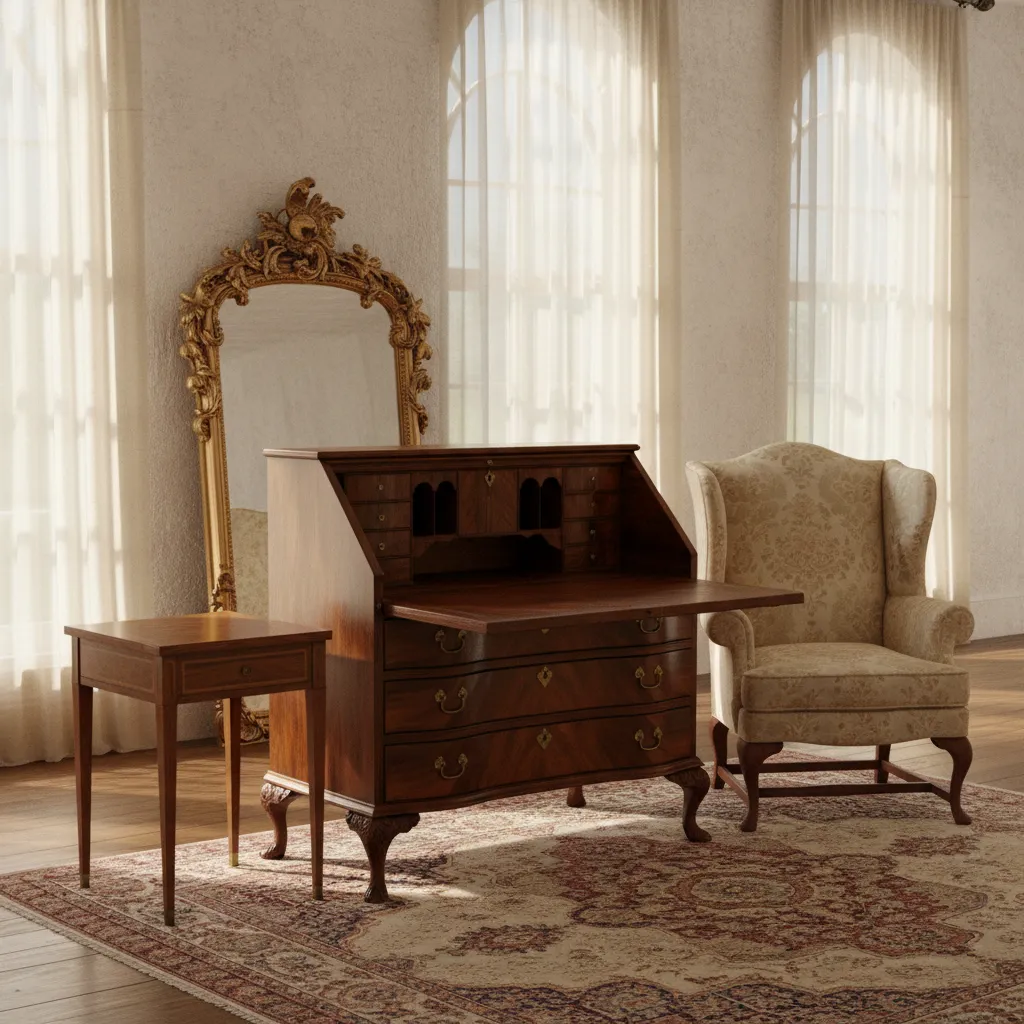
- Personal Property, including jewelry, antiques, furniture, coins, collectibles, and household goods
- Equipment & Machinery, including medical equipment, restaurant equipment, manufacturing machinery, and technology assets
- Fine Art, including paintings, prints, sculpture, photography, and mixed media
- Boats & Watercraft, including sailboats, powerboats, yachts, jet skis, and personal watercraft
- Automobiles & Vehicles, including cars, trucks, motorcycles, RVs, trailers, and classic vehicles
Who Does AppraiseItNow Serve in New Mexico for Probate?
We work with executors, personal representatives, probate attorneys, and heirs across New Mexico who need accurate, court-ready valuations for estate administration, asset distribution, and tax compliance.
5-Star Valuation Services, Loved by Hundreds
Does AppraiseItNow handle probate appraisals in New Mexico?
Yes, AppraiseItNow provides probate appraisals throughout New Mexico. Our certified appraisers are experienced with the state's inventory requirements and court standards for estate proceedings.
What types of assets can be appraised for a New Mexico probate estate?
We appraise a wide range of personal property and assets commonly found in New Mexico estates, including vehicles, equipment, artwork, collectibles, jewelry, antiques, and business interests. Our appraisers are equipped to handle both common household contents and more specialized or high-value items.
Are your probate appraisals USPAP compliant?
Yes, all of our appraisals follow the Uniform Standards of Professional Appraisal Practice (USPAP). This ensures the reports meet the professional and legal standards required by New Mexico courts, the IRS, and other reviewing parties.
Why would someone in New Mexico specifically need a probate appraisal?
New Mexico law requires personal representatives to file an estate inventory with appraised values within 90 days of appointment, and any property sold through probate must meet a 90% of appraised value minimum to receive court approval. These requirements make a credible, well-documented appraisal essential for protecting heirs, satisfying creditors, and keeping the estate process on track.
Can I get a probate appraisal done remotely if I'm in New Mexico?
Yes, many probate appraisals can be completed remotely using photographs, documentation, and other submitted materials. For assets that require in-person inspection, we can coordinate on-site visits across New Mexico as well.
How is pricing determined for a probate appraisal in New Mexico?
Fees depend on the asset type and scope of the assignment. Visit our pricing page for ranges or contact us.
How long does a probate appraisal typically take to complete?
Turnaround times vary by asset type:
- Vehicles: 3 to 5 days
- Personal property and equipment: 7 to 10 days
- Artwork: 5 to 7 days for simple projects, 2 to 3 weeks for complex assignments
- Business valuations: 2 to 4 weeks
- Inventory: 2 to 4 weeks
Who actually prepares the appraisal report?
Reports are prepared by credentialed appraisers with relevant expertise in the asset category being valued. Each appraiser follows USPAP guidelines and produces a signed report suitable for submission to New Mexico probate courts or the IRS.
Are there specific New Mexico rules that affect how probate appraisals must be conducted?
Yes, under NM Stat § 45-3-706 and § 45-3-707, personal representatives must file an inventory with appraised values within three months of appointment, and appraisers must be qualified, disinterested, and their contact information included in the filing. New Mexico also requires that any appraiser used for assets with fluctuating values hold appropriate credentials, and all appraisals must comply with USPAP under NMSA § 61-30-16.
What information do I need to provide to get started?
You will need to share a description of the assets to be appraised, the date of death for establishing valuation date, any existing documentation such as purchase records or prior appraisals, and the contact information for the personal representative or attorney handling the estate. The more detail you can provide upfront, the faster we can scope the assignment.
Will a probate appraisal from AppraiseItNow be accepted by New Mexico courts and the IRS?
Yes, our appraisals are prepared to meet the standards required by New Mexico probate courts and the IRS. For estates that require IRS Form 706, our valuations are documented to support federal estate tax filings as well.
What is the 90% appraisal value rule in New Mexico probate, and how does it affect estate property sales?
New Mexico law requires that probate property sell for at least 90% of its appraised value before a court will approve the sale, protecting heirs and creditors from below-market transactions. This rule makes the accuracy of the probate appraisal especially important, since the listing price and any offers will be evaluated against it during the court approval process.
How soon after being appointed must a personal representative obtain an appraisal in New Mexico?
Under the Uniform Probate Code as adopted in New Mexico, the personal representative must prepare and file an estate inventory, including appraised values for assets subject to reasonable doubt, within three months of appointment. This deadline applies to both informal and formal probate proceedings.
Can a probate property be listed for sale during New Mexico's three-month creditor claim period?
Yes, property can be listed and even sold during the creditor claim period, but proceeds cannot be distributed until that period expires and all claims are resolved. Getting an appraisal early in the process allows the personal representative to move forward with listing without unnecessary delays.
If the estate includes property located outside New Mexico, are separate appraisals needed for those assets?
New Mexico probate inventory requirements include out-of-state assets owned solely by the decedent, with date-of-death values listed under NM Stat § 45-3-706. However, ancillary probate filings in other states typically require separate appraisals that comply with each jurisdiction's own rules, so additional valuations are usually necessary for those assets.
How does a probate appraisal help heirs reduce capital gains taxes, and when does IRS Form 706 come into play for New Mexico estates?
A probate appraisal establishes the stepped-up basis at the decedent's date of death, which reduces the taxable gain heirs face when they later sell inherited assets. IRS Form 706 is required for estates exceeding the federal exemption threshold, which was $13.61 million in 2024 and is expected to adjust in coming years, and the probate appraisal provides the documented fair market values needed for that filing.
Does the type of probate filed in New Mexico, informal versus formal, change the appraisal requirements?
The appraisal timeline and standards remain the same regardless of whether informal or formal probate is filed. Both require the estate inventory and any necessary appraisals within three months of the personal representative's appointment, and both must meet the 90% of appraised value standard for property sales.
APPRAISEITNOW APPRAISERS ARE BEST-IN-CLASS & CREDENTIALED BY LEADING APPRAISAL ORGANIZATIONS LIKE THE ISA, ASA, & MORE.




