What triggers a qualified appraisal for a New Hampshire donor?
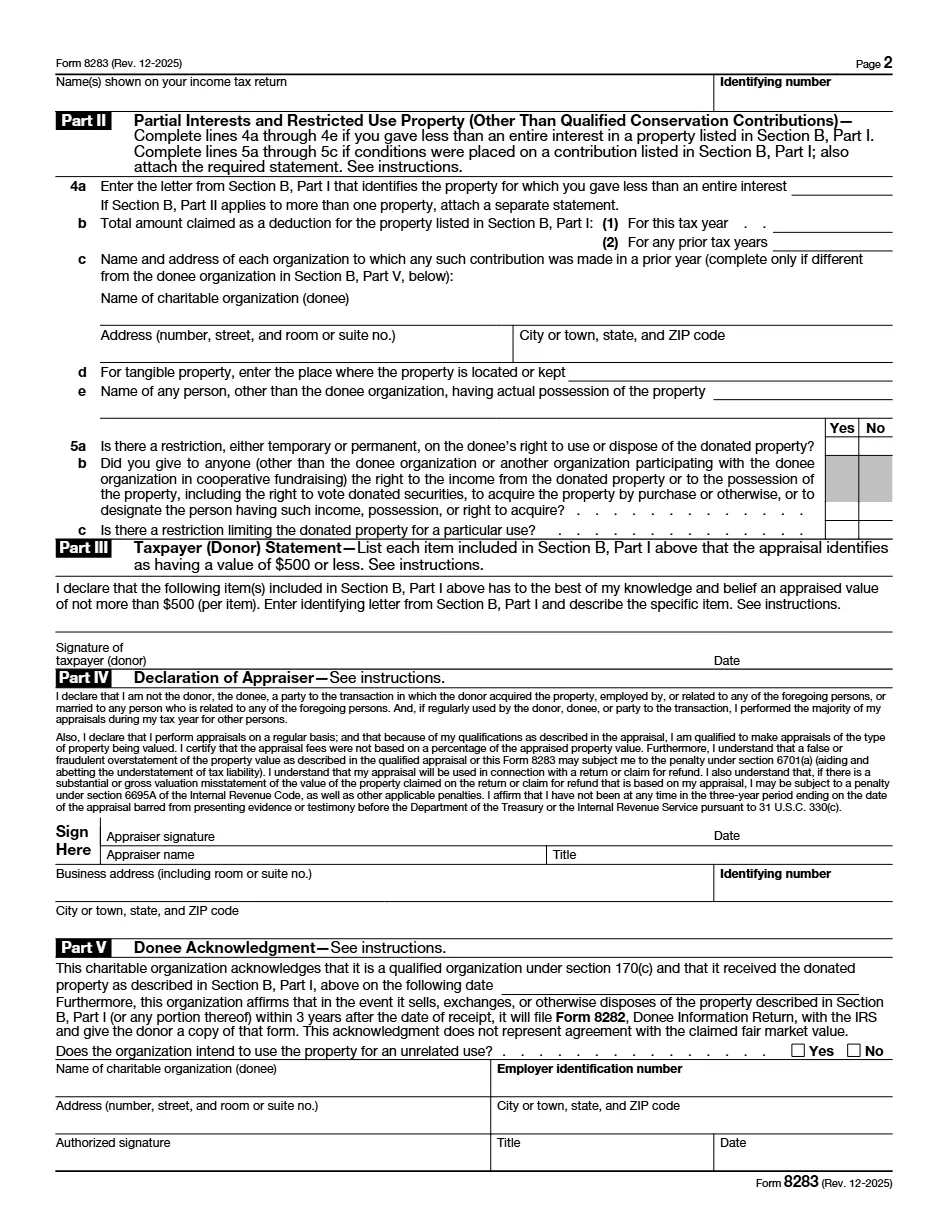
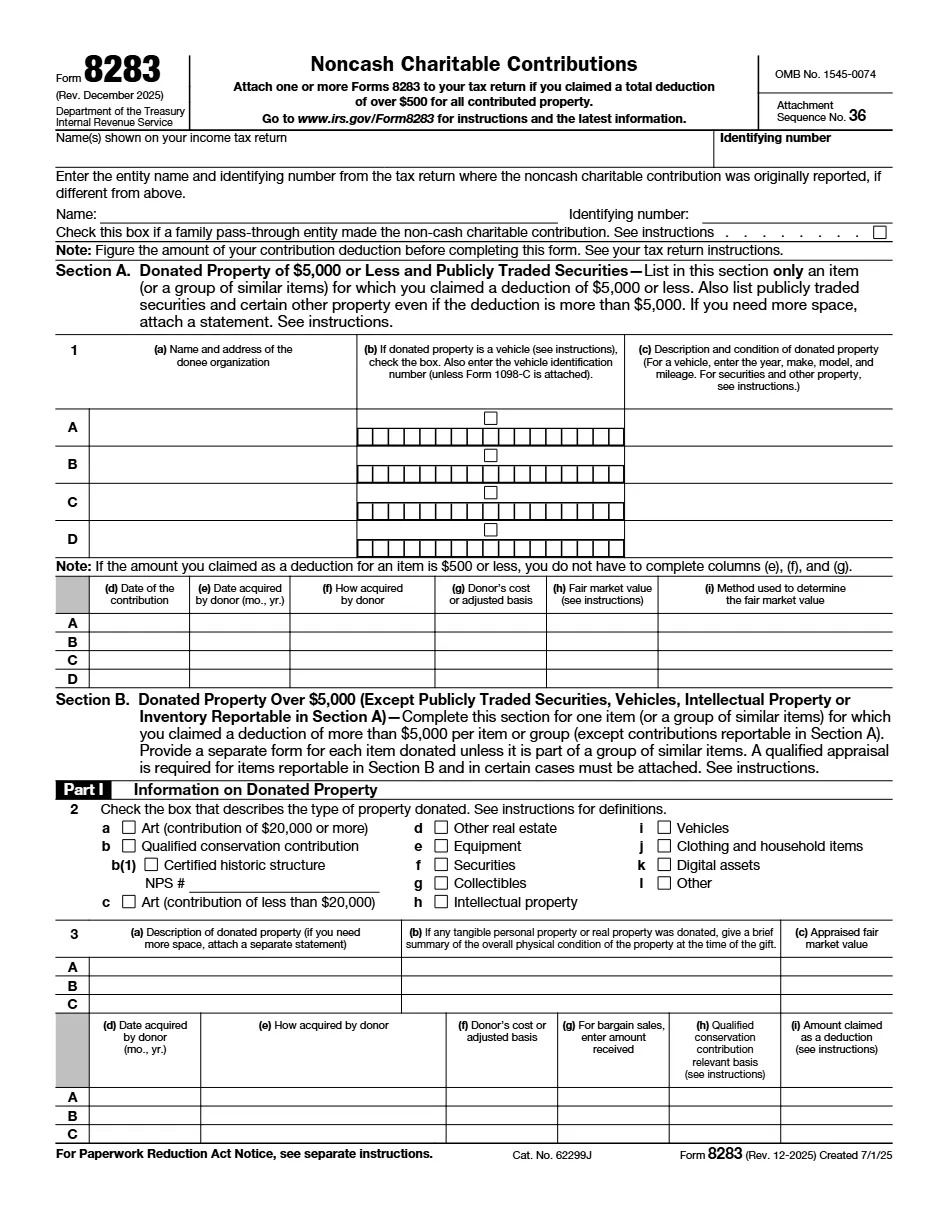
A claimed deduction above $5,000 for an item or group of similar items, under IRS rules that New Hampshire does not supplement. Section B of Form 8283 must be completed, and art claimed above $20,000 requires the appraisal itself attached to the return, per IRS Publication 561.
Does New Hampshire probate require appraisals before estate property is donated?
Not automatically. The executor files the Inventory of Fiduciary form with fair market values within 90 days of appointment under RSA 554:1, but no appraiser is required unless the probate judge appoints one because of the property's nature or the estate's size. A donation from the estate claimed above $5,000 still needs its own qualified appraisal for the deduction.
Are there New Hampshire deadlines for donation appraisals?
No state deadline exists; federal timing controls. Some New Hampshire charities do set internal policies, such as requiring the independent appraisal within 30 days of the gift, so it pays to check the donee's gift acceptance rules alongside the IRS requirements.
Can estimated values satisfy a New Hampshire probate inventory?
Yes. The Judicial Branch's inventory instructions say the amounts need not be exact and can be corrected later through an amended inventory or accounting. A charitable deduction runs on the opposite rule: once the claimed value of donated property passes $5,000, only a qualified appraisal supports it, and an estimate that satisfied the probate court will not survive IRS review.
Do New Hampshire's local officials ever see a donation appraisal?
No. The only officials who appraise personal property in New Hampshire are the local selectmen, who value taxable property at market value under RSA 75:1 for municipal assessment. Charitable gifts sit entirely outside that system: the appraisal supports Form 8283 filed with the federal return, and no selectman, assessor, or state office receives a copy.

.png)







.jpeg)