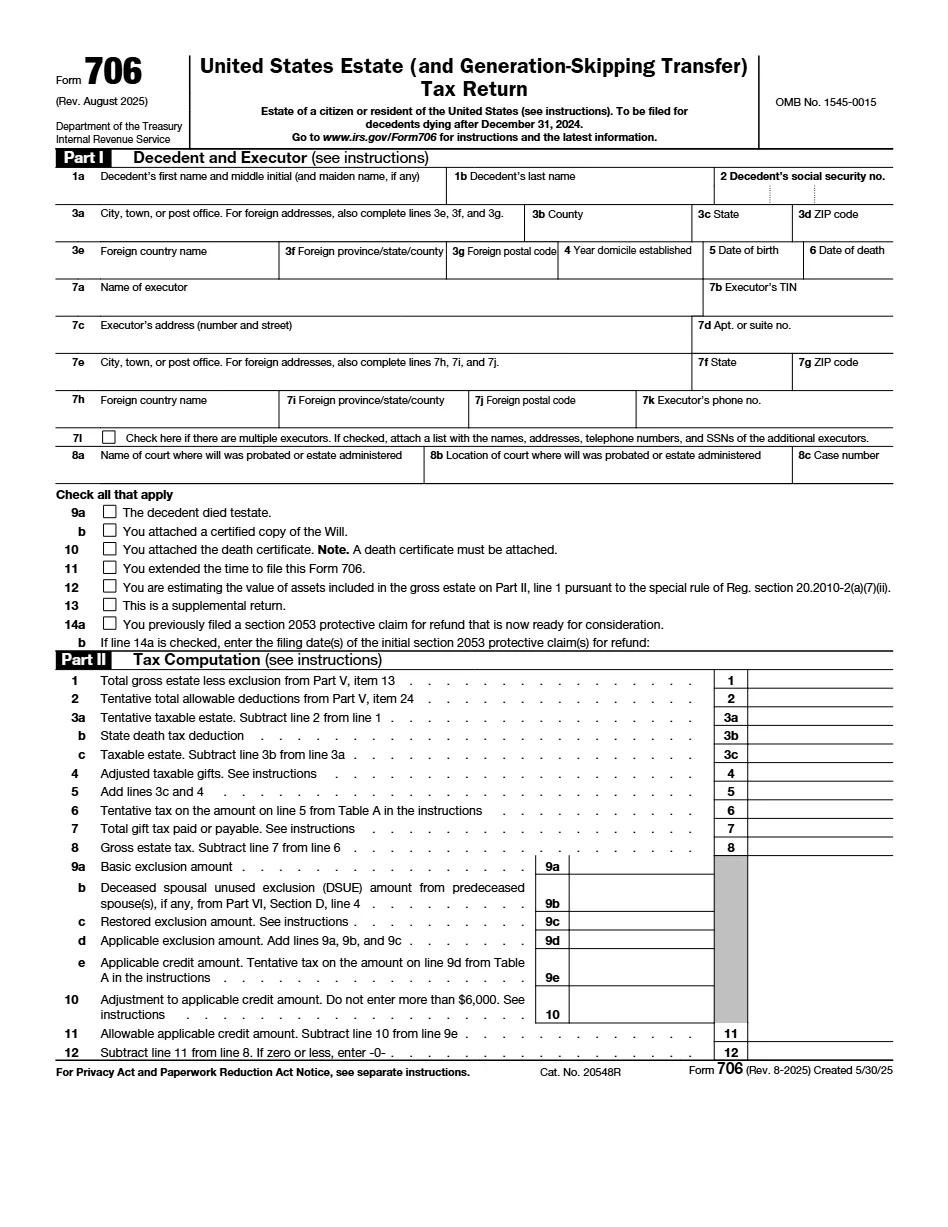
IRS Form 706 Appraisal

Thank you! Your submission has been received!
Oops! Something went wrong while submitting the form.

⚡‍Get an instant response

Thank you! Your submission has been received!
Oops! Something went wrong while submitting the form.
IRS Form 706 Appraisal Cartoon Image from AppraiseItNow
Nationwide Service
Onsite or Online
USPAP-Compliant
IRS Qualified
DEFENSIBLE, USPAP-COMPLIANT APPRAISAL REPORTS — ACCEPTED BY 10,000+ ORGANIZATIONS

5-Star Valuation Services, Loved by Hundreds

My wife and I purchased a property that included a double-wide mobile home, which we decided to donate to a local charitable organization that provides housing for low-income families. This type of donation required a formal appraisal to qualify for an IRS tax deduction, so we reached out to Appraise It Now. From the start, they were able to clearly answer all of our questions about both the appraisal process and the tax deduction requirements. We provided photos and additional details, and within 10 days we received a thorough, well-prepared report that included all the necessary IRS forms. I’m giving Appraise It Now a five-star review because communication was excellent throughout the entire process. Everyone I spoke with was helpful, friendly, and professional, and emails were always answered quickly. We were completely satisfied with the experience. Thank you!

I was skeptical at first, but the company exceeded all of my expectations. The team responded quickly to every question, and the service was excellent. They’re now my go to source for my collection. I’ve used them twice already, and I plan to use them several more times.

AppraiseItNow did an excellent job appraising our unique art collection. Joe was always prompt and responsive, and he and his team delivered a thorough, well-supported appraisal in just a couple of weeks, even during the holiday season. I was genuinely impressed. Thank you for the great work!

10 Stars!! Joe was a pleasure to work with. Answered all my questions with incredible patience. Payment was swift and they got started immediately and the turn around time was much sooner than I expected. (I was on a time crunch and they got it done for me incredibly fast!) And the best part was the appraisal was even more than what I was expecting. And everything I need was sent to my email. Fantastic experience, would recommend to anyone needing an appraisal!

We recently used AppraiseItNow for one of our clients and couldn’t be happier with the experience. The customer service was excellent, and Joe was quick to respond to all of our questions. He provided everything we needed promptly and made the process smooth from start to finish. Thank you!

I was in dire need of an appraisal for my father's mobile home, which he needed for Medicaid approval. I couldn’t find anyone to do it for a long time, but then I found this company online and decided to give them a try. I’m so glad I did. They were wonderful to work with. I sent the pictures, and within just a few days I received the appraisal. They are absolutely worth the money.

Defensible appraisals for any legal or tax need.

Our mission is to deliver defensible, expert appraisals with unparalleled speed, professionalism, and client service.

Rather than relying on a single lead appraiser or fixed team, we maintain an extensive network of credentialed specialists, each with deep expertise in particular asset types and valuation purposes. This enables us to match every engagement with the right expert while delivering exceptionally fast turnaround times, even under the most demanding deadlines.

When you require a defensible appraisal you can trust, AppraiseItNow delivers.

Easy & Fast Online Appraisal Process

Our custom technology makes our process seamless and easy - from getting a quote quickly to submitting your asset details.
Our unique model allows us to meet super tight deadlines for tax filings, court dates, internal company project timelines.

Industry-Leading Appraisal Speed

AppraiseItNow responds to requests super fast and uses the best automation and tech to deliver projects quickly.

Our unique business model means that we always have a credentialed appraiser available to work on your project, and we can meet obscure and short deadlines for tax filings, court submissions, internal projects, and more. Even if that means preparing your appraisal within 24 hours!

Any Asset Covered

AppraiseItNow works with independent appraisers who specialize in a wide range of asset types.

This means that we can appraise any type of item including furniture, artwork, jewelry, business inventory, machinery & equipment, cars, boats, and more!

Servicing Enterprises & Individuals

AppraiseItNow is a professional, USPAP-compliant valuation provider that supports institutions and individuals alike. We can move quickly to meet tight deadlines, while also sustaining top-tier professionalism through our intake and delivery processes.

Our company services anyone from an individual with a single couch to an enterprise needing contents of multiple offices or warehouses appraised.

Defensible for Any Purpose

AppraiseItNow prepares defensible, USPAP-compliant online appraisals for any major legal, tax, or financial purpose. Clients typically contact us for charitable contributions, estate tax filings and settlements, insurance purposes, M&A due diligence, and financial reporting purposes.  

Appraisals for IRS Form 706, Anywhere in the US

Wisconsin
Wyoming
West Virginia
Washington
Vermont
Virginia
Utah
Tennessee
Texas
South Dakota
South Carolina
Rhode Island
Oregon
Pennsylvania
Oklahoma
Ohio
North Dakota
North Carolina
New Jersey
New York
New Mexico
New Hampshire
Nevada
Mississippi
Nebraska
Missouri
Montana
Minnesota
Michigan
Massachusetts
Kentucky
Maryland
Maine
Louisiana
Kansas
Indiana
Iowa
Idaho
Illinois
District of Columbia
Hawaii
Georgia
Florida
Delaware
Connecticut
Alabama
Colorado
Alaska
California
Arizona
Arkansas
View all Locations

What is IRS Form 706?

IRS Form 706 serves as a critical financial document used to report the total value of a deceased individual's estate and determine potential estate tax liabilities. This comprehensive tax return provides a detailed accounting of an individual's assets and financial holdings at the time of their death, enabling the federal government to assess tax obligations.

The form captures a comprehensive range of assets, including both tangible and intangible property such as real estate, financial investments, business interests, cash holdings, and personal property. Its primary function is to calculate the gross estate value and identify any potential estate tax that may be owed based on the current federal exemption threshold.

Typically, the executor or personal representative of the deceased's estate is responsible for completing and filing Form 706. The filing becomes mandatory when the total estate value surpasses the current federal exemption limit, which can fluctuate annually based on current tax legislation.

The form itself is structured into multiple critical sections, each designed to provide a comprehensive financial overview. These include detailed reporting of gross estate value, allowable deductions such as outstanding debts and funeral expenses, precise tax computations, and documentation of any previous payments or available credits.

Importantly, Form 706 must be filed within nine months of the date of death, though extensions can be requested for filing purposes. While not every estate requires this filing, careful and accurate completion is essential to ensure proper tax compliance and avoid potential legal complications for estate beneficiaries.

Why do I need an appraisal for IRS Form 706?

When navigating the intricate landscape of estate taxes, accurately determining the value of a deceased person's assets is a fundamental requirement. IRS Form 706 mandates a comprehensive assessment of estate assets that exceed specific value thresholds. The appraisal process serves multiple critical purposes that extend beyond simple tax compliance.

Establishing a precise fair market value is paramount. The IRS requires an objective, professional evaluation of each asset at its value on the date of the decedent's death. This valuation becomes the cornerstone for calculating potential estate tax liabilities, ensuring transparency and accuracy in the reporting process.

Tax calculations demand meticulous attention to detail. Even slight variations in asset valuation can significantly impact the estate's tax burden. Undervaluing assets may trigger unexpected tax penalties, while overvaluation can unnecessarily strain the estate's financial resources. A comprehensive, professional appraisal minimizes these risks by providing a defensible and accurate assessment.

Legal protection is another crucial consideration. A professionally conducted appraisal creates a documented record that can preempt potential disputes among heirs, beneficiaries, or creditors. Should an IRS audit occur, this documentation serves as authoritative evidence, potentially shielding the estate from costly legal challenges.

Charitable contributions require equally rigorous valuation. When estates include philanthropic bequests, precise appraisals substantiate these donations for both IRS requirements and receiving organizations. This careful documentation can optimize tax considerations and ensure the donor's intentions are fully realized.

Asset distribution becomes more transparent with accurate valuations. An objective assessment provides a clear framework for equitable distribution among beneficiaries, reducing the potential for interpersonal conflicts during an already challenging time.

State-level regulations add another layer of complexity. Many states impose additional appraisal requirements that extend beyond federal mandates. Engaging professionals with comprehensive knowledge of both federal and state regulations ensures complete compliance across all jurisdictions.

Complex assets demand specialized expertise. Properties, businesses, unique collections, and other intricate holdings require nuanced evaluation. Qualified appraisers bring the necessary technical knowledge to accurately assess these specialized assets, providing a comprehensive and reliable valuation.

Ultimately, a professional appraisal for IRS Form 706 is more than a bureaucratic requirement. It represents a critical tool for responsible estate management, protecting the financial interests of both the estate and its beneficiaries while ensuring full compliance with regulatory standards.

What Makes IRS Form 706 Essential for Estate Settlements?

IRS Form 706 is a critical document in the estate settlement process, particularly for estates exceeding specific value thresholds. This comprehensive tax return plays a multifaceted role in managing and documenting an individual's final financial legacy.

Key Functions of IRS Form 706

  • Federal Estate Tax Determination: Calculates tax liability based on the fair market value of all transferred assets
  • Asset Valuation Documentation: Provides a formal record of the deceased's financial holdings
  • Legal Compliance: Ensures proper reporting and potential tax obligations

Critical Aspects of Estate Tax Reporting

Accurate asset valuation is paramount when completing Form 706. The form requires detailed documentation of:

  1. Real estate holdings
  2. Investment portfolios
  3. Personal property of significant value
  4. Financial accounts and liquid assets

Filing Considerations

Timeline and Compliance

Executors must navigate strict filing requirements:

  • Standard filing deadline is nine months after the decedent's death
  • Late submissions can result in substantial penalties and interest charges
  • Potential extensions may be available under specific circumstances

Potential Consequences of Inaccurate Reporting

Improper completion of Form 706 can lead to:

  • IRS audits
  • Significant financial penalties
  • Potential legal complications for estate executors

Strategic Estate Planning Implications

Beyond tax compliance, Form 706 serves as a strategic tool for estate planning. By providing a comprehensive snapshot of an estate's value, individuals and their advisors can:

  • Identify potential tax planning opportunities
  • Understand the full scope of asset distribution
  • Minimize potential conflicts among beneficiaries

Ultimately, IRS Form 706 is more than a tax document—it's a crucial instrument for ensuring transparent, legally compliant estate settlement that honors the deceased's final financial wishes.

Why Professional Appraisals Matter in Estate Tax Reporting

Professional Appraisals: Critical for Accurate Estate Tax Reporting

When filing IRS Form 706, professional appraisals are more than a procedural requirement—they're a strategic necessity for comprehensive estate tax reporting. Here's why professional appraisals are crucial:

Key Benefits of Professional Estate Appraisals

  • Precise Asset Valuation

    Professional appraisers deliver unbiased, accurate asset valuations that directly impact estate tax liability. Imprecise valuations can trigger costly penalties and potential legal complications.

  • Regulatory Compliance

    Qualified appraisers understand complex IRS guidelines, ensuring valuations meet strict fair market value standards. This expertise protects the estate from potential audit risks and procedural challenges.

  • Enhanced Credibility

    Professionally documented appraisals provide transparent, defensible asset valuations that build trust among beneficiaries, executors, and tax authorities.

  • Strategic Planning Support

    Comprehensive appraisals offer critical insights for informed decision-making about asset distribution, preservation, and long-term financial strategy.

  • Risk Mitigation

    Certified appraisals significantly reduce the potential for value disputes, streamlining the estate settlement process and minimizing potential legal conflicts.

Understanding the Appraisal's Role

Professional appraisals for IRS Form 706 are not just administrative formalities. They represent a critical mechanism for maintaining estate integrity, ensuring accurate tax reporting, and protecting the financial interests of all stakeholders.

Which Assets Require Careful Valuation?

Understanding Asset Valuation for IRS Form 706

When preparing IRS Form 706, accurate asset valuation is critical for ensuring compliance and minimizing potential tax liabilities. Certain assets require meticulous assessment due to their complexity and potential tax implications.

Key Asset Categories Requiring Careful Valuation

Real Estate
  • Represents a significant portion of estate value
  • Requires comprehensive appraisal considering:
    • Current market conditions
    • Comparable property sales
    • Unique property attributes
  • Specialized appraisals needed for unique properties like vacation homes or commercial real estate
Business Interests
  • Valuation of closely held businesses involves complex considerations
  • Critical evaluation factors include:
    • Earnings potential
    • Marketability
    • Overall financial health
  • Appraisal methods may include:
    • Income approach
    • Market approach
Stocks and Securities
  • Publicly traded stocks typically easier to value
  • Privately held securities require more nuanced approach
  • Additional considerations:
    • Liquidity assessment
    • Recent financial performance
    • Potential valuation discounts for minority interests
Personal Property
  • Challenging valuation categories include:
    • Art
    • Antiques
    • Jewelry
    • Collectibles
  • Valuation factors:
    • Item provenance
    • Condition
    • Current market demand
  • Specialized appraisers recommended for high-value items
Intellectual Property
  • Includes patents, trademarks, and copyrights
  • Valuation depends on:
    • Potential revenue generation
    • Legal protections
    • Market demand
  • Requires expertise in intellectual property law and valuation techniques

Engaging qualified appraisers with specialized expertise is essential to provide comprehensive and defensible valuations, ensuring full compliance with IRS regulations and protecting the estate's financial interests.

How Do You Select the Right Appraiser for Your Estate?

Key Factors in Selecting an Estate Appraiser for IRS Form 706

Choosing the right appraiser for your estate is a critical step in fulfilling IRS Form 706 requirements. This process demands careful consideration to ensure an accurate and fair market value assessment of the decedent's assets.

Essential Qualifications to Consider

  1. Professional Credentials
    • Seek a licensed appraiser with recognized professional credentials
    • Verify memberships in reputable organizations such as:
      • Appraisal Institute
      • American Society of Appraisers
    • Confirm specialized experience in estate appraisals
  2. Market and Geographic Expertise
    • Prioritize appraisers with comprehensive local market knowledge
    • Ensure familiarity with specific asset types in the estate
    • Request portfolio demonstrating local area expertise
  3. IRS Compliance Proficiency
    • Verify deep understanding of Form 706 appraisal guidelines
    • Confirm ability to prepare documentation meeting IRS standards
    • Assess knowledge of acceptable valuation methodologies
  4. Professional Reputation
    • Research professional background thoroughly
    • Check client testimonials and industry references
    • Evaluate track record of accuracy and ethical practice
  5. Communication Capabilities
    • Assess clarity of professional communication
    • Ensure responsiveness to inquiries
    • Verify ability to explain complex valuation processes

Critical Considerations

Selecting an appraiser requires a holistic approach. Beyond technical expertise, look for a professional who demonstrates integrity, attention to detail, and a comprehensive understanding of estate valuation complexities.

The right appraiser will provide more than just a number—they'll offer a thorough, defensible valuation that supports smooth estate settlement and compliance with IRS regulations.

Navigating the Estate Appraisal Process Step by Step

Step-by-Step Guide to Estate Appraisal for IRS Form 706

Navigating the estate appraisal process requires careful attention to detail and a systematic approach. This comprehensive guide will walk you through the essential steps to ensure accurate asset valuation and IRS compliance.

Step 1: Comprehensive Documentation Collection

  • Gather all financial and legal documents related to the decedent's assets
  • Collect critical paperwork including:
    • Property deeds
    • Bank statements
    • Investment account records
    • Business ownership documentation
  • Ensure records are complete and organized

Step 2: Asset Appraisal Identification

  • Identify assets requiring professional appraisal, such as:
    • Real estate
    • Business interests
    • Stocks and bonds
    • Valuable personal property
  • Recognize unique valuation requirements for different asset types
  • Understand potential complexities in asset valuation

Step 3: Selecting Qualified Appraisers

  • Choose appraisers with specific expertise in estate valuations
  • Verify professional credentials and certifications
  • Ensure compliance with professional standards like USPAP
  • Select professionals with:
    • Local market knowledge
    • Specialized asset expertise
    • Proven track record in estate appraisals

Step 4: Detailed Appraisal Process

  • Conduct thorough on-site asset inspections
  • Perform comprehensive market research
  • Assess asset conditions and market values
  • Key evaluation methods include:
    • Comparative market analysis
    • Physical asset condition assessment
    • Current market trend analysis

Step 5: Comprehensive Appraisal Reporting

  • Develop detailed appraisal reports for each asset
  • Include essential report components:
    • Appraiser qualifications
    • Valuation methodology
    • Detailed asset descriptions
    • Final market valuations
  • Ensure reports meet IRS documentation standards

Step 6: Final Review and Submission

  • Meticulously review all appraisal reports
  • Verify accuracy of asset valuations
  • Prepare IRS Form 706 with precise documentation
  • Submit before estate filing deadline
  • Maintain copies of all documentation for potential future reference

Careful navigation of these steps ensures a comprehensive and compliant estate appraisal process, minimizing potential complications and facilitating smooth estate settlement.

Overcoming Challenges in Complex Estate Valuations

When dealing with complex estate valuations for IRS Form 706, various challenges can arise that require careful strategic navigation. Understanding and addressing these challenges is crucial for a smooth appraisal process.

Key Challenges in Estate Valuations

Complex Asset Assessment

One significant challenge involves assessing unique or illiquid assets, which include:

  • Artwork
  • Collectibles
  • Specialized real estate

Determining the fair market value of these assets can be highly subjective, requiring specialized expertise and comprehensive market knowledge. An experienced appraiser can provide critical insights through:

  • Analyzing comparable sales
  • Evaluating current market conditions
  • Applying specialized valuation techniques

Evolving Tax Regulations

Navigating changing tax laws presents another significant challenge. The IRS frequently updates its guidelines, which can substantially complicate the appraisal process. Key considerations include:

  • Staying current with regulatory changes
  • Understanding potential compliance implications
  • Engaging professionals with deep tax law expertise

Emotional and Interpersonal Dynamics

Estate valuations often involve complex emotional landscapes. Families may experience:

  • Strong emotional attachments to specific assets
  • Potential disputes over valuation
  • Conflicts between personal sentiment and legal requirements

Effective communication and professional mediation become essential in resolving potential conflicts while maintaining family relationships.

Documentation and Compliance

Comprehensive and accurate documentation is critical for IRS Form 706 submissions. Potential risks include:

  • Incomplete information leading to processing delays
  • Potential complications in estate settlement
  • Increased scrutiny from tax authorities

Strategic Approach to Overcoming Challenges

By proactively addressing these challenges with qualified professionals, estate executors can achieve:

  • Accurate and defensible asset valuations
  • Smooth IRS Form 706 submission process
  • Comprehensive estate distribution strategy

Successful navigation of these complexities requires a combination of expertise, patience, and strategic planning.

Mastering Documentation for IRS Compliance

Navigating the complexities of IRS Form 706 requires meticulous documentation and a strategic approach to estate valuation. Understanding the essential requirements is crucial for accurate reporting and ensuring compliance during the estate settlement process.

Critical Documentation Requirements

Comprehensive documentation serves as the foundation for successful IRS Form 706 filing. Estate representatives must focus on creating a detailed and precise record of the decedent's assets.

Asset Identification and Verification

  • Comprehensive Asset Inventory
    • Real estate properties
    • Financial accounts
    • Business interests
    • Personal property
    • Investment holdings

Essential Documentation Elements

  1. Proof of Ownership
    • Original deeds
    • Account statements
    • Vehicle titles
    • Business registration documents
  2. Valuation Evidence
    • Professional appraisals
    • Market value documentation
    • Date of death valuation reports

Detailed Asset Documentation

Each asset requires precise documentation including:

  • Exact asset description
  • Physical location
  • Condition assessment
  • Precise market value at date of death

Compliance Considerations

Estate executors must be prepared for potential IRS scrutiny by maintaining:

  • Organized and comprehensive records
  • Clear valuation methodologies
  • Consistent documentation standards

Key Compliance Strategies

  1. Verify all documentation for accuracy
  2. Obtain professional valuations when necessary
  3. Understand both federal and state tax requirements
  4. Maintain detailed and organized records

Thorough preparation and meticulous documentation are essential for navigating the complexities of IRS Form 706 and ensuring a smooth estate settlement process.

Understanding Valuation Methodologies

Valuation methodologies are critical in determining the fair market value of assets for IRS Form 706, which is essential for estate tax purposes. Understanding these methodologies empowers executors and estate planners to comply with regulatory requirements and strategically manage potential tax liabilities.

Income Approach

The income approach focuses on calculating the present value of future cash flows generated by an asset. Key characteristics include:

  • Particularly applicable for income-producing properties and businesses
  • Estimates future income potential
  • Discounts projected cash flows to present value using appropriate discount rates
  • Considers both income generation and associated investment risks

Market Approach

The market approach evaluates an asset by comparing it to similar recently sold assets in the marketplace. Core principles include:

  • Analyzes current market sales data
  • Derives value based on comparable asset transactions
  • Relies on the principle of substitution
  • Reflects real-time market conditions and comparable asset values

Cost Approach

The cost approach determines asset value by calculating the expense of constructing a duplicate or replacement asset, adjusted for depreciation. Important considerations include:

  • Ideal for unique or newly constructed properties
  • Provides a tangible reconstruction cost estimate
  • Useful when limited market comparison data exists
  • Reflects current replacement expenses

Methodology Selection Factors

Selecting the most appropriate valuation methodology requires careful evaluation of multiple factors:

  1. Asset type and characteristics
  2. Available market data
  3. Current economic conditions
  4. Specific estate circumstances

By comprehensively understanding these valuation approaches, individuals can effectively navigate the complex landscape of asset valuation for IRS Form 706, ensuring regulatory compliance and strategic tax planning.

Key Factors That Impact Property Value

When determining the value of a property for IRS Form 706, several critical elements must be meticulously evaluated. Understanding these factors ensures a comprehensive and accurate assessment that meets federal estate tax return requirements.

Primary Factors Influencing Property Valuation

  1. Location
    • Geographical positioning critically impacts property value
    • Key considerations include:
      • Proximity to essential amenities
      • School district quality
      • Neighborhood desirability
    • Prime locations typically command higher market premiums due to increased demand
  2. Property Condition
    • Physical state represents a fundamental valuation criterion
    • Appraisers evaluate:
      • Construction quality
      • Maintenance history
      • Presence of structural issues
    • Well-maintained and renovated properties consistently achieve higher market values
  3. Market Trends
    • Economic climate significantly influences property valuations
    • Assessment strategies include:
      • Analyzing recent local sales
      • Identifying market direction
      • Understanding current real estate dynamics
  4. Comparable Sales
    • Critical methodology for establishing property value
    • Process involves:
      • Examining recent transactions of similar properties
      • Adjusting for distinctive features
      • Comparing size, age, and amenities
  5. Property Features
    • Unique characteristics can substantially enhance property worth
    • Value-adding elements include:
      • Updated interior spaces
      • Energy-efficient systems
      • Attractive outdoor areas
  6. Zoning and Regulations
    • Local governmental guidelines impact property valuation
    • Considerations include:
      • Land use restrictions
      • Potential development limitations
      • Future property potential

By comprehensively understanding and analyzing these key factors, property owners can navigate the appraisal process with confidence, ensuring precise and defensible valuations for IRS Form 706.

Strategic Estate Planning Through Precise Appraisals

Effective estate planning is crucial for managing and transferring wealth efficiently. Filing IRS Form 706, the United States Estate (and Generation-Skipping Transfer) Tax Return, requires precise asset appraisals to accurately report a deceased person's estate value and potential tax obligations.

Key Strategic Purposes of Precise Estate Appraisals

  1. Valuation Accuracy

    Obtain a comprehensive fair market value assessment of estate assets, which is essential for accurate Form 706 reporting. Precise valuations help prevent potential IRS penalties and minimize tax disputes.

  2. Equitable Distribution

    Ensure assets are allocated fairly among heirs and beneficiaries by understanding each asset's true market value. This approach prevents potential conflicts arising from perceived inequitable distribution.

  3. Strategic Tax Planning

    Gain clear insights into potential tax liabilities by understanding the estate's comprehensive valuation. This knowledge enables estate planners to:

    • Identify potential tax implications
    • Utilize available exemptions and deductions
    • Develop proactive tax mitigation strategies
  4. Philanthropic Considerations

    Leverage accurate appraisals to make informed decisions about charitable donations, potentially maximizing benefits for both the estate and selected charitable organizations.

  5. Comprehensive Financial Planning

    Use appraisal insights to inform long-term financial strategies, including:

    • Investment planning
    • Risk assessment
    • Future wealth preservation

Conclusion

A meticulous appraisal for IRS Form 706 is fundamental to strategic estate planning. It provides a robust framework for effective wealth transfer, ensuring regulatory compliance and offering comprehensive financial clarity for all stakeholders.

Your Top Questions About Form 706 Appraisals Answered

Understanding IRS Form 706 Appraisals

When preparing an estate tax return using IRS Form 706, accurate property valuations are critical. This comprehensive process helps determine the gross estate value and ensures proper tax reporting.

What is an IRS Form 706 Appraisal?

An IRS Form 706 appraisal is a professional valuation that estimates the fair market value of a deceased individual's assets at the time of their passing. This comprehensive assessment typically includes:

  • Real estate properties
  • Business interests
  • Investment portfolios
  • Personal property and valuable assets

Importance of Accurate Appraisals

The IRS requires precise reporting of all assets in the gross estate at their fair market value. Accurate appraisals are crucial because they:

  1. Ensure compliance with tax regulations
  2. Determine accurate estate tax liability
  3. Prevent potential penalties or legal complications

Appraisal Considerations

Multiple factors impact the valuation process:

  • Qualified Professionals: Only licensed appraisers with specialized estate valuation experience should conduct these assessments
  • Valuation Factors: Appraisers carefully analyze:
    • Property location
    • Current condition
    • Asset age
    • Market demand
    • Comparable sales

Appraisal Process Details

Key aspects of the Form 706 appraisal process include:

  • Timeline: Completion can range from a few days to several weeks, depending on asset complexity
  • Required Documentation: Crucial documents for a comprehensive valuation include:
    • Purchase agreements
    • Tax statements
    • Maintenance records
    • Proof of ownership

A thorough understanding of these appraisal requirements helps executors navigate the estate tax reporting process more effectively and minimize potential complications with the IRS.

Ensuring Accuracy and Peace of Mind in Estate Valuations

Navigating estate taxes requires precision, especially when completing IRS Form 706, which demands an accurate valuation of a deceased person's estate. Precise valuation is not just a legal requirement but a critical step that can significantly impact heirs and beneficiaries financially.

The Importance of Professional Estate Appraisals

A professional appraisal provides a reliable estimate of an estate's fair market value, encompassing real estate, personal property, investments, and other assets. Engaging a qualified appraiser familiar with IRS regulations ensures a comprehensive and defensible assessment.

Critical Considerations for IRS Form 706 Appraisals

  • Appraiser Qualifications

    Select appraisers accredited by recognized industry organizations who demonstrate deep expertise in estate valuation and IRS guidelines.

  • Comprehensive Asset Assessment

    A robust appraisal analyzes both tangible and intangible assets, including real estate, business interests, investments, and personal property to ensure complete coverage.

  • Detailed Documentation

    Comprehensive appraisal reports should provide clear, transparent documentation that justifies valuations, facilitating IRS submission and building trust with beneficiaries.

  • Timing Considerations

    Estate valuations are typically required as of the date of death. Prompt and accurate appraisals are essential to prevent complications during estate settlement.

Strategic Approach to Estate Valuation

A meticulous and professional approach to estate valuations ensures legal compliance, minimizes potential disputes, and provides peace of mind during a challenging time. By prioritizing accuracy and comprehensive assessment, families can navigate the complexities of IRS Form 706 with confidence.

APPRAISEITNOW APPRAISERS ARE BEST-IN-CLASS & CREDENTIALED BY LEADING APPRAISAL ORGANIZATIONS LIKE THE ISA, ASA, & MORE.