Charitable Donation Appraisals in Connecticut
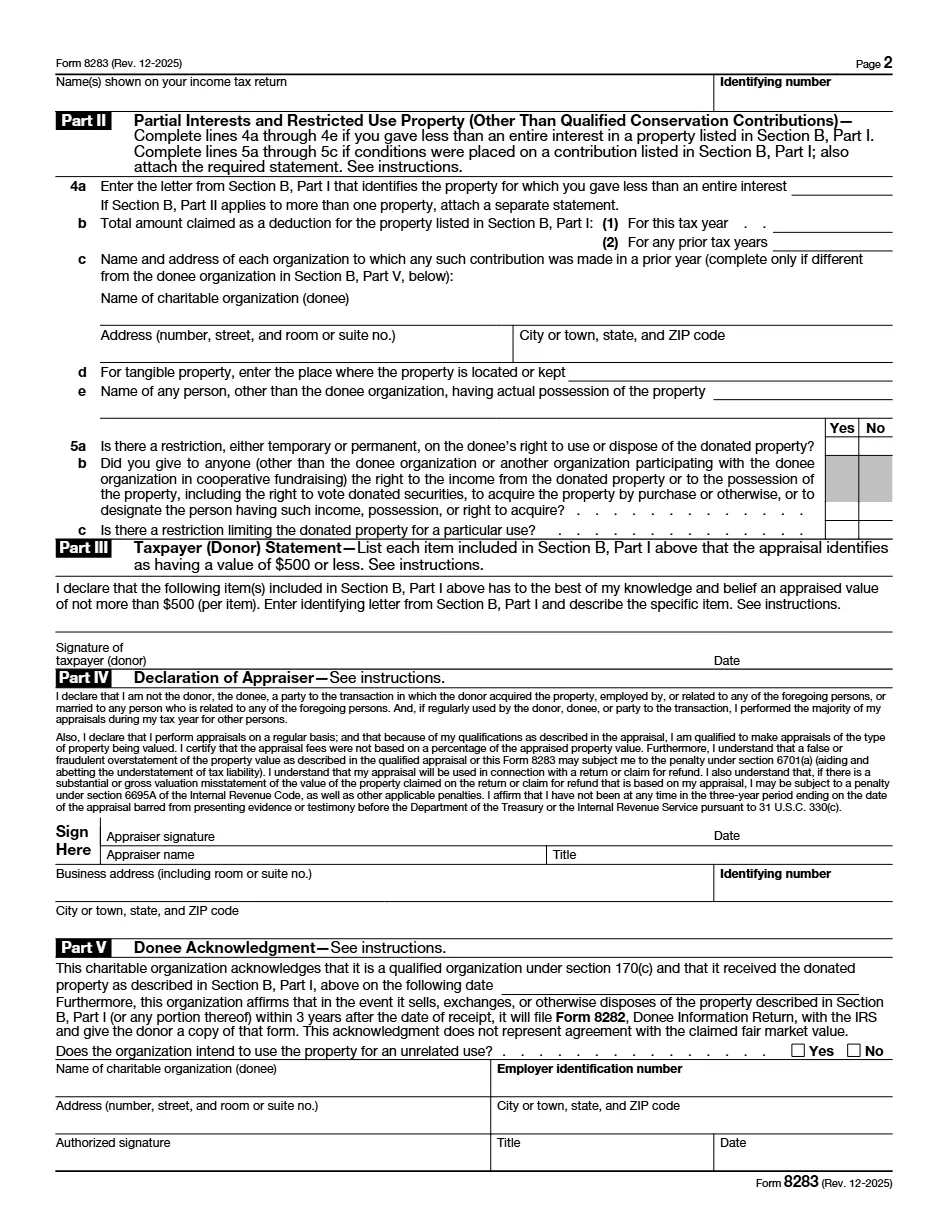
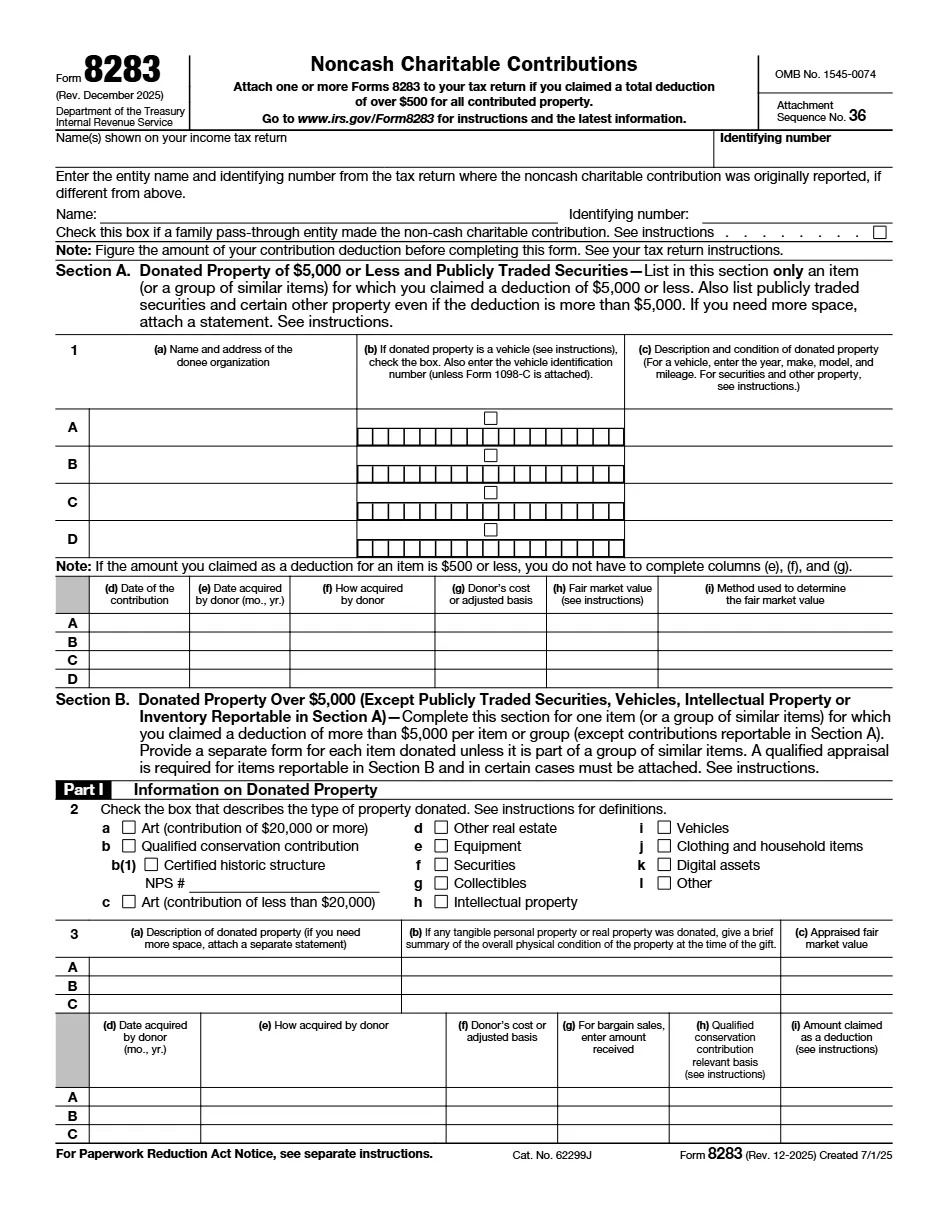
AppraiseItNow provides qualified charitable donation appraisals for Connecticut donors who need to substantiate non-cash contributions to qualifying organizations. The IRS requires a qualified appraisal for non-cash donations exceeding $5,000, with IRS Form 8283 Section B completed and signed by both the appraiser and the donee organization. Connecticut donors contributing artwork, antiques, or other high-value assets must ensure their appraisal is completed no earlier than 60 days before the donation and no later than the tax return due date.
AppraiseItNow offers both online and onsite appraisal options, making it easy for donors across the state to get the documentation they need. Our appraisal services in Connecticut cover every major asset class and are delivered by credentialed appraisers holding ISA, ASA, AAA, and AMEA designations.
What Does AppraiseItNow Appraise for Charitable Donation in Connecticut?
AppraiseItNow covers all major asset classes commonly donated to qualifying organizations in Connecticut, including:
- Personal Property, including jewelry, antiques, furniture, coins, collectibles, and household goods
- Equipment & Machinery, including medical equipment, restaurant equipment, manufacturing machinery, and technology assets
- Fine Art, including paintings, prints, sculpture, photography, and mixed media
- Business Interests, including LLCs, S-corps, partnerships, fractional interests, and privately held stock
- Boats & Watercraft, including sailboats, powerboats, yachts, jet skis, and personal watercraft
- Automobiles & Vehicles, including cars, trucks, motorcycles, RVs, trailers, and classic vehicles
- Inventory, including retail inventory, wholesale stock, raw materials, and finished goods
Who Does AppraiseItNow Serve in Connecticut for Charitable Donation?
AppraiseItNow serves individual donors, business owners, estate administrators, and nonprofit advisors throughout Connecticut who need IRS-compliant appraisals to support charitable contribution deductions. This includes collectors donating fine art or antiques, business owners contributing equipment or inventory, and high-net-worth individuals in financial hubs like Stamford and Hartford making significant non-cash gifts.
IRS Requirements Connecticut Donors Should Know
Proper documentation is critical for protecting your charitable deduction. Key thresholds and requirements include:
- Donations over $500 require IRS Form 8283 Section A to be filed with your return
- Donations over $5,000 require a qualified appraisal and IRS Form 8283 Section B signed by the appraiser and donee
- Artwork or property valued over $20,000 may be subject to IRS Art Advisory Panel review
- Donations exceeding $500,000 require the full appraisal report attached to the tax return
- The appraisal must be completed no earlier than 60 days before the donation date
Errors in completing IRS Form 8283, including missing appraiser tax identification numbers or incorrect basis fields, are a leading cause of deduction denials. Working with a qualified appraiser helps Connecticut donors avoid these costly mistakes.
Why Connecticut Donors Choose AppraiseItNow
Connecticut's concentration of high-income households, active arts communities, and established manufacturing and marine industries means that non-cash charitable donations are common and often involve complex or high-value assets. AppraiseItNow delivers fast turnaround, USPAP-compliant reports, and appraiser credentials that satisfy IRS qualified appraiser standards. Whether you are donating a yacht on the Connecticut shoreline, manufacturing equipment from a Stratford facility, or a fine art collection from a Greenwich estate, our appraisers provide the defensible valuations you need.

.png)







.jpeg)