
Damage Claim appraisals in California for personal property, equipment and machinery, fine art, boats and watercraft, automobiles and vehicles, and inventory. AppraiseItNow provides credentialed, USPAP-compliant Damage Claim appraisals online and onsite across California, including Los Angeles, San Francisco, and San Diego.
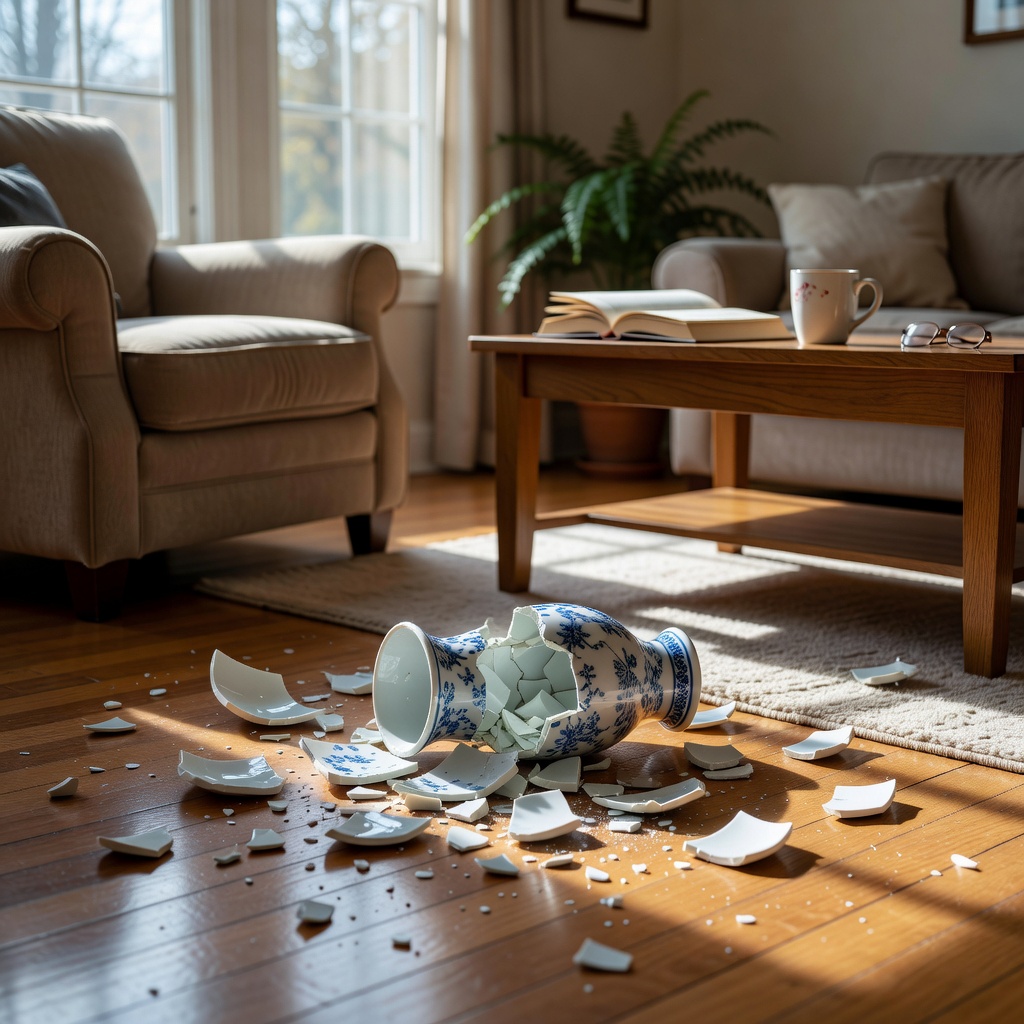






Credentialed, best-in-class appraisers across assets
.avif)
Joe Kattan

Anne Hay, ISA AM

Jason Dolph, CAGA

Ashley Innes, ISA AM

Justin Ramirez, ASA, ABV, CFA

Marnie Erkelens, CAGA

Raymond Ghelardi, ASA

Aron Blue
Frequently Asked
Questions
No Frequently Asked Questions Found.
About Damage Claim Appraisals in California
California property owners and businesses frequently face insurance disputes where the insured and insurer disagree on the value of a loss, making a qualified appraisal essential for resolving the claim. Under California Insurance Code §2071, either party in a property damage dispute can demand appraisal to determine the amount of loss, and a USPAP-compliant valuation from a credentialed appraiser supports that process. AppraiseItNow provides damage claim appraisals covering a wide range of personal and business assets damaged by fire, water, theft, or other covered perils. Our mission is to deliver defensible, USPAP-compliant valuations with exceptional speed, professionalism, and client service.
AppraiseItNow offers both remote and onsite appraisal options, allowing clients across the state to receive professional valuations without delay. Our appraisers in California are experienced with the high rebuilding costs, wildfire losses, and insurance litigation rates that make accurate damage valuations especially critical in this state.
What Does AppraiseItNow Appraise for Damage Claims in California?
AppraiseItNow covers all major asset classes commonly involved in California damage claim situations, including:
- Personal Property, including jewelry, antiques, furniture, coins, collectibles, and household goods
- Equipment & Machinery, including medical equipment, restaurant equipment, manufacturing machinery, and technology assets
- Fine Art, including paintings, prints, sculpture, photography, and mixed media
- Boats & Watercraft, including sailboats, powerboats, yachts, jet skis, and personal watercraft
- Automobiles & Vehicles, including cars, trucks, motorcycles, RVs, trailers, and classic vehicles
- Inventory, including retail inventory, wholesale stock, raw materials, and finished goods
Who Does AppraiseItNow Serve in California for Damage Claims?
AppraiseItNow serves individual policyholders, business owners, insurance carriers, and legal professionals throughout California who need credentialed, defensible valuations to support insurance settlements, dispute resolution, or casualty loss documentation. Clients range from homeowners dealing with wildfire or water damage losses to commercial operators with damaged equipment, inventory, or fleet vehicles.
5-Star Valuation Services, Loved by Hundreds
Can AppraiseItNow handle damage claim appraisals in California?
Yes, AppraiseItNow provides damage claim appraisals throughout California for individuals, businesses, and legal teams. Our appraisers are familiar with California's insurance regulations and documentation requirements for property loss claims.
What kinds of assets can be appraised for a damage claim in California?
We appraise a wide range of assets for damage claims, including vehicles, personal property, equipment, artwork, business assets, and inventory. Each appraisal is tailored to document the pre-loss value or extent of damage for the specific asset type involved.
Are your damage claim appraisals USPAP compliant?
Yes, all appraisals from AppraiseItNow follow the Uniform Standards of Professional Appraisal Practice (USPAP). This ensures your report meets the professional and ethical standards expected by insurers, attorneys, and courts in California.
Why would someone in California specifically need a damage claim appraisal?
California's high exposure to wildfires, earthquakes, and flooding means property damage claims are common and often complex. A credible, independent appraisal helps establish accurate loss values and supports your position when disputes arise with insurers under California Insurance Code §2071.
Can damage claim appraisals in California be completed remotely?
Yes, many damage claim appraisals can be handled remotely using photos, video walkthroughs, and digital documentation. For assets requiring physical inspection, we coordinate on-site visits throughout California.
How is pricing determined for a damage claim appraisal?
Fees depend on the asset type and scope. Visit our pricing page for ranges or contact us.
How long does a damage claim appraisal typically take?
Turnaround times vary by asset type:
- Vehicles: 3 to 5 days
- Personal property and equipment: 7 to 10 days
- Artwork: 5 to 7 days for simple projects, 2 to 3 weeks for complex assignments
- Business valuations: 2 to 4 weeks
- Inventory: 2 to 4 weeks
Who actually prepares the appraisal report?
Reports are prepared by credentialed appraisers with relevant expertise in the asset type being evaluated. AppraiseItNow matches each assignment to a qualified professional whose background aligns with the specific claim.
Are there California-specific rules that affect how damage claim appraisals work?
Yes, California Insurance Code §2071 governs property damage appraisals for fire insurance policies and sets specific requirements for appraiser qualifications, the selection of an umpire, and the issuance of a single itemized award. Appraisers are limited to determining the amount of loss and cannot make coverage or causation decisions, which are reserved for courts.
What information do I need to provide to get started?
You will need to provide a description of the damaged asset, any available photos or inspection reports, prior valuations or purchase records, and relevant insurance policy details. The more documentation you can share upfront, the more efficiently we can complete the appraisal.
Will a damage claim appraisal from AppraiseItNow be accepted by insurers and courts in California?
Our appraisals are prepared to meet the standards expected by California insurers, legal counsel, and courts. USPAP-compliant reports with clear methodology and supporting documentation are widely accepted in claim disputes and litigation throughout the state.
What is the deadline for challenging a damage claim appraisal award in California?
Under California Insurance Code §2071, any petition to vacate or modify an appraisal award must be filed in court within 100 days of the award's issuance. After that window closes, the award becomes final and enforceable with no extensions available under the statute.
Can a California damage claim appraiser weigh in on whether a loss is actually covered by the policy?
No, appraisers under California Insurance Code §2071 are limited to determining the amount of loss, including actual cash value and itemized damages. Questions of causation, coverage, and liability are reserved for courts unless both parties mutually agree otherwise.
How should a California appraiser handle items that turn out to be undamaged or that never existed?
Appraisers are expected to inspect all claimed items and assign a zero value to anything found to be undamaged or non-existent, such as a claimed fourth story on a three-story building. The award should explain those zeroed-out items clearly to support any potential court review.
Does California require insurers to share claim documents with policyholders during the appraisal process?
Yes, California Insurance Code §2071 requires insurers to notify claimants of their right to request claim-related documents, including repair estimates, scopes of loss, third-party findings, and all valuation calculations. This transparency requirement applies during the claim evaluation process, including before a formal appraisal begins.
Are the rules different for damage claims filed after a government-declared disaster in California?
Yes, during a government-declared disaster under the Government Code, either party may request appraisal under California Insurance Code §2071, but neither side can compel the other to participate. This differs from the standard process, where appraisal can be demanded by written request from either the insured or the insurer.
What qualifications are required for appraisers selected under California Insurance Code §2071?
The statute requires that each party select a competent and disinterested appraiser within 20 days of a written demand, and those two appraisers then choose a qualified umpire within 15 days or by court order. No specific licenses or certifications beyond competence and impartiality are mandated by the statute itself.
APPRAISEITNOW APPRAISERS ARE BEST-IN-CLASS & CREDENTIALED BY LEADING APPRAISAL ORGANIZATIONS LIKE THE ISA, ASA, & MORE.




