Introduction
Owning a valuable piece of artwork can be a great joy, but it also comes with the responsibility of protecting it in case of a catastrophe. Obtaining an art appraisal and understanding the insurance options available are important steps in maintaining the value of your collection. This blog post will answer frequently asked questions about art appraisals and insurance, and offer practical advice for protecting your artwork.
What are the benefits of obtaining an art appraisal for insurance purposes?
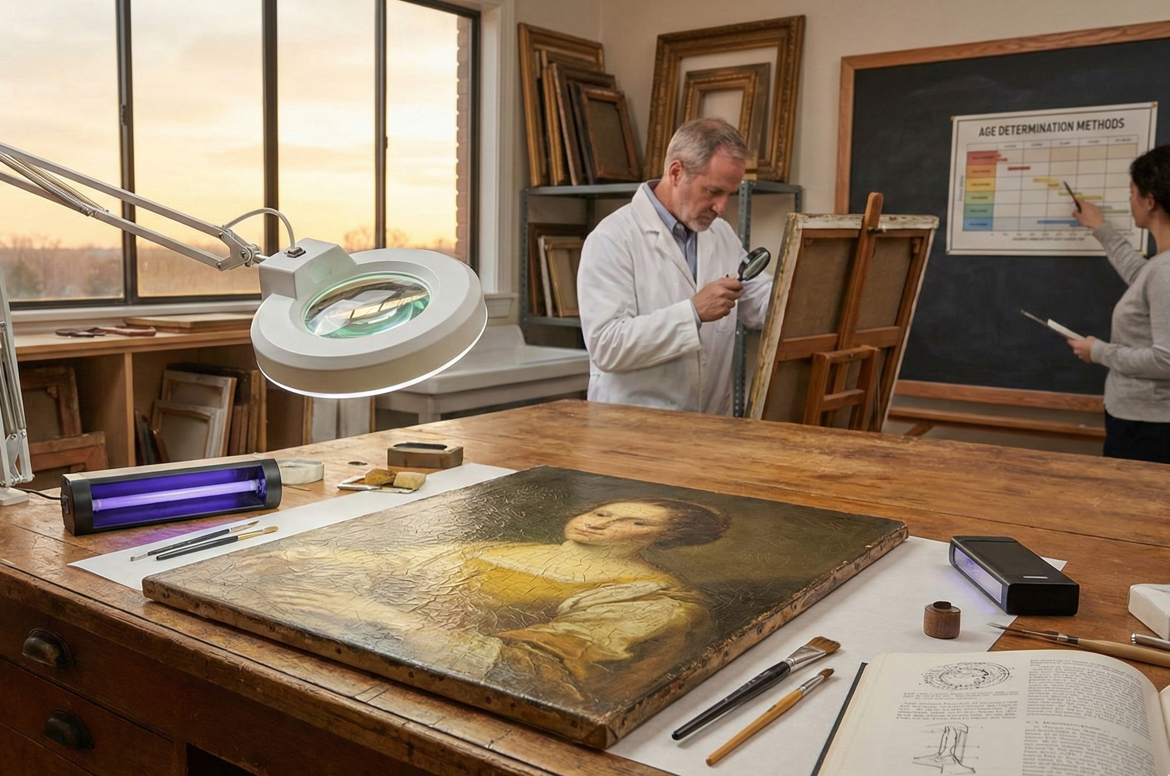
When it comes to protecting your valuable art collection, obtaining an art appraisal prior to insuring it is essential. An art appraisal is a professional opinion that estimates the fair market value of your art pieces, and is a key component of any insurance valuation. An art appraiser is a qualified professional who has the knowledge and expertise to assess the condition, age, and market value of your artwork. An art appraisal can help you make an informed decision about how much and what type of insurance coverage you need for your collection. The appraisal report will specify the market value of each work in your collection, an important detail your insurance provider will need to assess the value of the pieces. Having an art appraisal also helps you keep track of the value of your art collection over time. Additionally, the appraisal document will provide additional details about the artwork, which can prove invaluable in the event of theft, destruction, or any other type of loss. Knowing the value of your artwork and having the correct insurance policy in place will help ensure that your artwork is protected in the event of unexpected circumstances.
How often should I update the appraised value of my art collection?
The appraised value of your art collection should be updated at least once every 2 to 3 years. It’s important to keep your collection up-to-date, as the market and values of art can change significantly during that time. Keeping an eye on auctions, sales prices, and other information, can help you stay informed of potential changes in your collection’s value. Knowing the approximate appraised value of your art collection can also help you ensure it’s adequately insured in case of theft or damage. To get a reliable appraisal, it’s recommended you work with a professional appraiser who is experienced in art and the current art market.
What is the best way to insure my art collection?
The best way to insure your art collection depends on its size, value, and the amount of risk you are comfortable taking. For a small collection, or artwork that has a low per-item value, you may be able to get away with including the artwork in the coverage on your standard homeowner’s insurance policy. For more valuable art, however, you’ll want to look into getting a separate rider for your policy that specifically covers artwork. Some insurance companies will even offer specialized policies that are tailored to cover artwork and other valuable collections. If you have a large, valuable collection of artwork, it’s important to consider hiring an appraiser to evaluate the items and provide an appraisal of their current market value to ensure that you are adequately protected in the event of any loss.
Does art insurance cover damages caused by natural disasters?
When it comes to damages caused by natural disasters, art insurance policies vary. Most policies will cover losses due to fire, flooding, and other natural disasters. However, it's important to keep in mind that there are certain exclusions that insurance companies often won’t cover. For instance, some policies don’t cover earthquake or other catastrophic events because the property damage can be extensive. In any case, it’s important to know what is and isn’t covered by your art insurance policy. Make sure to read the fine print carefully and ask your insurance provider any questions you may have. That way, you can be sure your artwork is protected in case of a natural disaster.
What types of documents should I have to prove the value of my art pieces?
It is important to document the value of your valuable art collection for insurance purposes. To do so, you should have a written appraisal from a professional appraiser, preferably one who is accredited and experienced in the field. Additionally, you should document any receipts, invoices, and other sales records for the art pieces. If you are ever unlucky enough to have your art damaged or stolen, this documentation will be essential for filing a claim. Be sure to store these documents in a secure place—digitally as well as physically—and back up any digital documents in multiple places. Additionally, take photos or videos of the pieces to document their condition, and keep track of any upgrades, repairs, or maintenance that you may have done. Finally, if you are purchasing or selling art pieces, get a certificate of authenticity. All of this documentation will help you properly value and protect your art collection in the event of a claim.
Are there certain types of artwork that are more highly valued for insurance purposes?
Yes, there are certain types of artwork that are considered more valuable for insurance purposes. These include lithographs, etchings, and serigraphs signed by a famous artist, original works of art created by a famous artist, sculptures, paintings, antique furniture, and rare items or collections. It is important to remember that when it comes to assessing the value of artwork for insurance purposes the condition of the art is very important. Art that is in excellent condition will be much more highly valued for insurance purposes than art that has been damaged. The conservation and maintenance of the artwork is also an important factor in determining the insurance value.
Are there any special considerations I should take into account about appraising artwork for insurance purposes?
Yes, there are some special considerations you should take into account when appraising artwork for insurance purposes. First, make sure you are working with a qualified appraiser who is knowledgeable and certified in appraising artwork. You will want to make sure the appraiser has an in-depth understanding of the market for the artwork you own, as well as the proper techniques for appraising the work. Additionally, when using an appraiser, you will want to be certain they are up-to-date on their professional certifications and credentials, and understand the nuances of appraising artwork for insurance purposes. In addition, the insurance value of artwork can vary greatly from the fair market value. When appraising artwork for insurance purposes, it is important to determine its precise value for the specific time period you need coverage for. Keep in mind that the insurance value will be based on the cost of an exact or nearly exact replacement of the artwork. Finally, it is important to remember that insurance values and appraised values can change depending on market factors and the artwork's condition, so it is important to keep records and regularly update the insurance value.
What kind of insurance coverage is available for art collections?
When it comes to protecting your art collection, insurance coverage is essential. There are various options available for art owners seeking insurance coverage. A retail store policy is ideal for individual works of art or a small collection. This type of policy will cover the value of the art in the event of theft or destruction, and can be adjusted as art values fluctuate. A commercial art policy is a more comprehensive policy that covers artwork in transit and in storage. This type of policy is ideal for collectors who own a large number of art works. Commercial art policies also offer coverage for lost or damaged artwork, and can provide legal insurance in the event that a work is damaged or stolen. For galleries and museums, an institutional policy is the best way to go. This policy covers things like employees stealing art, lawsuits from disgruntled customers, and art that has been lost in transit. No matter which option you choose, it’s important to make sure that the insurance covers the full value of your art collection. With the right insurance coverage in place, you can be sure that your art collection is fully protected.
What is the difference between casual and scheduled insurance coverage for an art collection?
Casual and scheduled insurance coverage are different types of insurance policies for an art collection. Casual coverage is usually a general policy that provides insurance coverage for an array of items (such as furniture, Jewelry, antiques, and artwork). Scheduled coverage is a more specific policy that provides more comprehensive coverage for a particular item or collection. Under scheduled insurance, you can list each individual item that needs to be insured. This can be a great way to ensure comprehensive coverage of a particular collection. It also allows you to specify the value of each item, whereas casual coverage typically offers a lump sum for all items listed. The downside to scheduled coverage is that it may require higher premiums since you are covering a specific item or collection. Also, it is important to keep up with the maintenance and value of the items to ensure that you are properly covered. Ultimately, when deciding between casual and scheduled insurance coverage for an art collection, it is important to consider the size and value of the collection, as well as your budget. Depending on your needs, one type of insurance coverage may be more ideal than the other.
Are there any tax deductions available when you insure artwork?
Yes, there may be tax deductions available when you insure artwork. If you are using the artwork in a trade or business, you may be able to deduct the cost of premiums for the insurance from your taxes. Additionally, if you have acquired artwork for investment purposes, the premiums may be deducted as an investment expense. Depending on your specific situation, other deductions may also be applicable, so you should refer to the IRS regulations. As always, be sure to consult with a tax professional to determine what deductions you are eligible for.
Conclusion
It is essential to be informed and proactive when maintaining the value of your art collection. AppraiseItNow can help you assess the value of your artwork with accurate and reliable appraisals, so that you can make informed decisions when it comes to insurance and protecting your collection. Make sure to contact us for more information.