Introduction
antique firearms can be incredibly valuable and have a deep historical significance. In order to get the best appraisal of an antique gun, it is critical to understand the various points of examination for an appraiser. This blog post will discuss what to look for when appraising an antique gun, including types of firearms, evaluating condition, inspecting safety features, and more.
Types of Antique Firearms
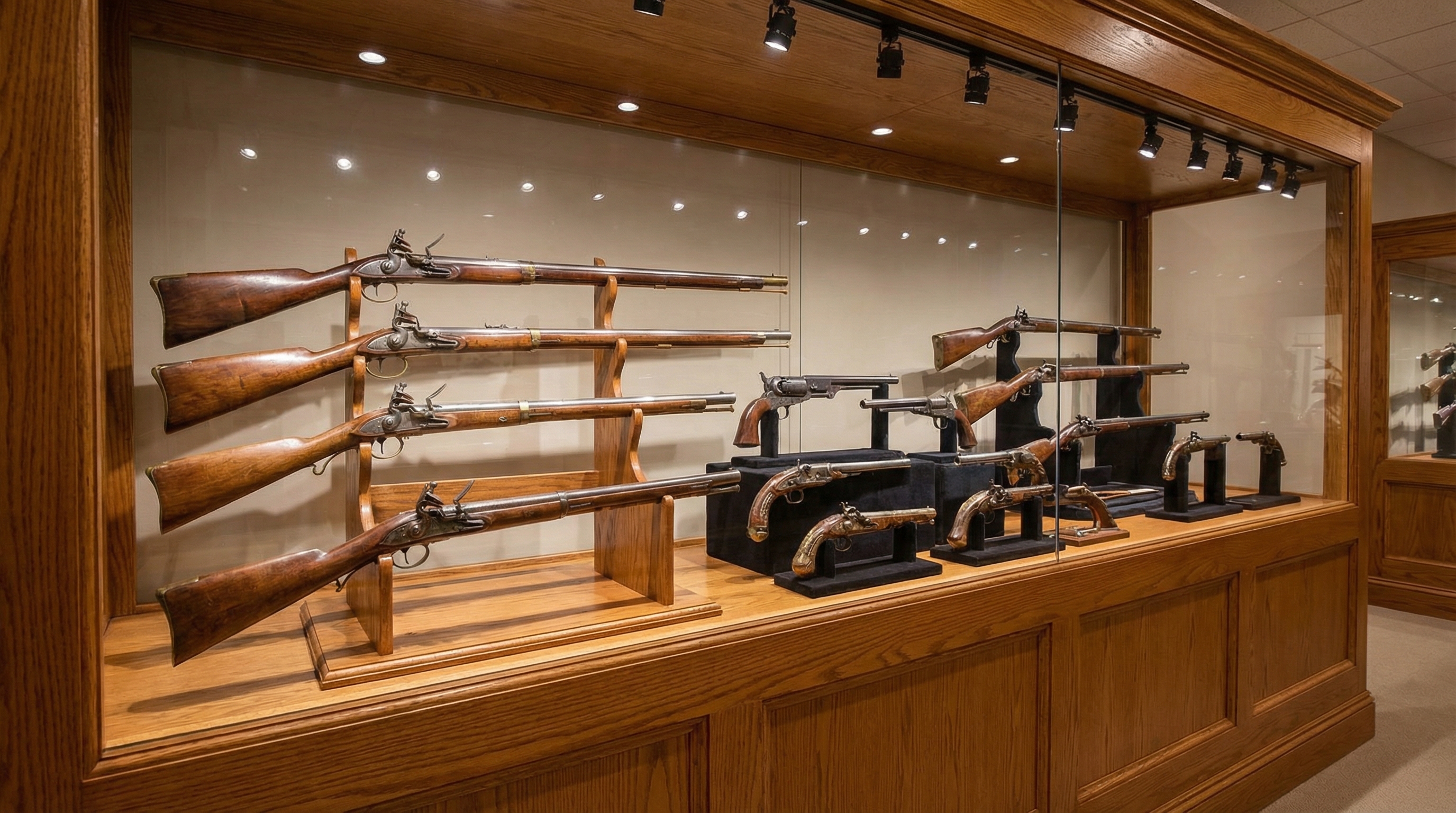
and How to Value Them Antique guns are an important part of any firearm collection. Appraising them is essential in determining their value and making sure that they are properly protected. With so many different kinds of antique firearms, it can be tricky to determine their value. Antique firearms that have been kept in excellent condition may have a higher value than those that show damage or signs of wear. Generally, antique guns are divided into two types: pre-1898 black powder firearms, and modern firearms from 1898 and later. Pre-1898 firearms may be muzzle loaders, such as muskets and shotguns, or cap and ball revolvers. Modern firearms are typically cartridge operated or semi-automatic weapons. In many cases, a qualified gunsmith or appraiser can provide an estimate on the value of an antique gun. They can also help to determine its condition, which can impact the value. Additionally, they can also help to identify any unique characteristics that could add to the value of the firearm. For more valuable antiques, it may be worth getting a written appraisal. This is the best way to guarantee the true value of the gun and provide piece of mind that the antique is being properly valued.
Evaluating the Condition of the Firearm
When appraising an antique gun, it's important to determine the condition. To get an accurate appraisal, the appraiser needs to evaluate the age and condition of the gun's components. Start by carefully inspecting the gun's barrel, chamber, stock, and action. Make sure all the metal components are in good condition with no major signs of rust, corrosion, or pitting. Examine the gun's wood components for any signs of cracks, splits, or warping. Check for any signs of repair work and make sure any engravings remain legible. Also ensure all the necessary parts are moved through a normal cycle of operation. Lastly, verify that all safety mechanisms are functioning properly to protect the gun's user. With these points in mind, appraisers will be able to accurately determine the condition of the antique gun.
Inspecting Safety Features of the Gun
When considering the safety features of an antique gun, there are a few key points that should be addressed. First, the mechanism of the gun should be carefully inspected to ensure all working parts are properly lubricated and functioning correctly. Additionally, inspect if the gun is loaded and if the chamber has any ammunition in it. After judging the functionality of the gun, consider its external aesthetics. What is the condition of the wood and metal that encases the gun? Does the gun have any rust and corrosion that could effect its functionality or safety? Lastly, if considering a handgun, the overall grip should be inspected to ensure there are no deep scratches or cracks in the material that could impair the trigger finger from safely navigating its way around the frame. Taking these safety factors into consideration can help determine the value of an antique gun.
Researching Historical Background of the Gun
When researching the history of an antique gun, it can often provide useful information for its appraising process. Owners or potential buyers can learn a lot about the gun’s history as well as its current condition. Documentation of the gun’s make, model, and serial number can help to validate its authenticity and desirability. Additionally, researching sources such as ledgers, photos, manufacturing records, catalogs, and other related materials provides insight as to the gun’s original intent, its prior owners, and other similar examples in the gun world. Utilizing all the materials available to research an antique gun can give an appraiser or buyer a better understanding of the gun’s history and overall value.
Verifying Gun Markings and Serial Number
Verifying a gun’s markings and serial number is a crucial step in determining an antique gun’s value. During the appraisal process, one should look for the manufacturer’s name, the model, the serial number and the caliber of the gun. It’s important to note that curious age, materials, and condition can potentially alter the value of the gun. The serial number, or stamp, can often be looked up online to trace the gun’s history. To properly determine the gun’s value, the condition of the firearm must be judged. Issues such as rust, deterioration or repairs should be carefully considered before forming an opinion on its monetary worth. Original gun parts should be used when evaluating the gun’s value. Factors such as matching metal and other material parts vary, so a thorough assessment of what type of parts are present is required. Collectors will be willing to pay more for guns that contain original parts as opposed to those with replacements. When assessing an antique firearm’s value, take the time to scrutinize and verify markings and serial numbers. Doing so will give you a better understanding of its history and can help to determine an accurate estimation of its value.
Assessing the Value of the Antique Gun
– What Should I Look For? When assessing the value of an antique gun, there are several things to take into consideration. Firstly, identify the type and manufacturer of the item in order to get an approximate value. Age and condition play a huge role in determining the price. Look for rust spots, signs of wear, and scratches in all the right places. Further, materials such as type of wood used in the stock, type of metal on the barrel, and other details can offer valuable insight into the price of an antique gun. It's also important to know what other antique guns of the same make and model are selling for. Do some research on sites such as eBay, Gunstar, and Bonhams. Or, find a local appraiser who can provide you with a more accurate evaluation. Finally, for an authentic antiques appraisal, you should look for a professional appraiser who specializes in antique guns. An appraiser can help ensure you're getting an accurate assessment of the value of your item. A professional will have the experience needed to properly evaluate the condition, age, and rarity of your antique item.
Analyzing Cartridge Quality and Firing Characteristics
When appraising an antique gun it is important to analyze cartridge quality and firing characteristics. Inspecting a gun's firing mechanism helps reveals issues with internal parts, as well as the overall safety of the weapon. Additionally, evaluating the cartridge helps uncover whether it is still serviceable or whether it needs to be replaced due to wear and tear. When checking a gun's cartridge and firing mechanism, several factors are crucial. First, a visual inspection should be done of the chamber and other components to check for overall condition. Second, functional tests such as dry firing and cycling a few rounds should be performed to ensure the cartridge is ejecting and feeding properly. Potential issues such as barrel obstructions, excessive wear, breakage, or improper cartridge loading can be easily identified. Lastly, accuracy tests should be completed to check if the gun is still capable of accuracy in its current condition. Many antique guns, when properly cared for, can retain their use as well as value. Analyzing cartridge quality and firing characteristics helps determine whether or not a weapon is safe to use and reliable. Ultimately, these checks are an essential part of appraising an antique gun.
Checking Holster and Stock Wear and Tear
When it comes to antique gun appraisal, the holster and stock are key elements to consider. Wear and tear on both can provide information about the gun’s history and age. Original holsters and stocks are a sign of authenticity, so any replacements should be noted. Look for signs of dry rot and structural weakening that could allude to use or abuse from the past. Faded stitching, frayed or worn edges, and exposed hardware can also indicate an older gun. Sometimes holsters are selling separately, and if so, check the interior and exterior for signs of wear, as well as any embossing or stamping. Pay extra attention to the design, shape, and pattern. Even the most insignificant details can help determine the gun’s origin and authenticity.
Analyzing Any Modifications or Aftermarket Parts
When assessing the value of an antique gun, a professional appraiser needs to consider any modifications or aftermarket parts. Modifications generally lower the value of an antique gun as it means that the piece is no longer original and authentic. A professional appraiser can tell you whether the piece has been modified or not. They can also determine the value of any aftermarket parts. Furthermore, if the aftermarket parts are higher quality than the originals, this could even increase the value. Appraisers trained in antique guns will be able to spot any modifications or aftermarket parts and can provide you with an accurate appraisal value. It's important to remember that it is best to use an appraiser who specializes in antique firearms, as they will be able to evaluate the piece in more detail and provide you with a comprehensive assessment.
Authenticating the Gun's Provenance
- What Does This Mean and Why is it Important? Authenticating the gun's provenance is an important factor that any appraiser should look into to determine the value of an antique gun. Provenance is the history of ownership of a specific item, and it can serve as proof of its authenticity. It can help to verify that the gun has not been tampered with, damaged, or inherited from a poor quality source. For antique guns, provenance can be traced through markings found on the barrel, as well as any documents that may accompany it. These documents can help to confirm the gun's authenticity and value. During an appraisal, an appraiser would use this information to accurately determine the gun's worth and age. Authenticating the gun's provenance is crucial because it can affect the value of the gun significantly. If the gun is shown to be a fake or if it has been in a problematic chain of ownership, the item could be devalued and even illegal to own. This is why authenticating provenance is so important when appraising an antique gun.
Conclusion
With this knowledge, you can now understand what is necessary when it comes to appraising an antique firearm. AppraiseItNow has a team of experts who can provide the best appraisal of your antique guns. Our goal is to give you an accurate value of your antique guns for the most precise estimation possible.