












How to Appraise a Guitar and Find Out What It’s Really Worth

Originally Published on Mar 06, 2026
Last Updated on
Thank you! Your submission has been received!
Oops! Something went wrong while submitting the form.
Nationwide Service
Onsite or Online
USPAP-Compliant
IRS Qualified
DEFENSIBLE, USPAP-COMPLIANT APPRAISAL REPORTS — QUALIFIED FOR THE IRS, INSURANCE AGENGIES, LENDERS, AND MORE.

Imagine you are clearing out a parent’s home and find a guitar tucked in the back of a closet. It’s old, a little dusty, and looks like it hasn’t been played in decades. You might wonder if it is worth something, if you should insure it, or if you can donate it for a tax deduction.

These are the right questions to ask. Often, the answer is yes. That old guitar could be worth real money. But knowing for sure requires more than a quick online search. You need to understand what drives value in the instrument market and, in many situations, get a formal, professional appraisal.

This guide will walk you through the essentials of guitar appraisal. We’ll cover the factors that matter most, how to research an instrument’s value, and when to seek a qualified appraiser.

How Do I Know If My Guitar Is Worth Money?

The clearest signs of a valuable guitar are its age and brand. Instruments made before the mid-1970s, especially American-made guitars from the 1950s and 1960s, are often the most sought-after. Iconic brands like Gibson, Fender, Martin, and Gretsch from their “golden era” production years can command top prices. For example, a 1959 Gibson Les Paul or a pre-1965 Fender Stratocaster can be worth tens of thousands of dollars.

Beyond the brand, the guitar’s originality and history are crucial. A traceable serial number that confirms a desirable production year is a strong start. An instrument with all its original parts is even better. Collectors prioritize original tuners, pickups, and finishes, so a heavily modified guitar will be worth much less. Finally, if a notable musician owned the guitar and you have proof, this history can dramatically increase its value.

Is Your Guitar Valuable? Key Indicators: Look for a pre-1975 manufacturing date, a well-known American brand like Fender or Gibson, and all-original parts. If your instrument has these traits, it is worth investigating further.

What Factors Do Appraisers Look At?

A professional appraiser conducts a methodical evaluation based on several key factors. The brand, model, and year of manufacture are the foundation of any valuation. A 1964 Fender Telecaster and an import copy from the same year may look similar, but they are separated by thousands of dollars in value.

Condition is arguably the most important factor. An appraiser will scrutinize the body for cracks, the neck for straightness, and the hardware for originality. Rarity also plays a key role, as a guitar in a rare custom color is worth more than the same model in a standard finish. Finally, appraisers ground their assessment in data. They research what similar guitars have actually sold for to provide a realistic and defensible value.

DIY Research vs. Professional Appraisal

You can certainly do some preliminary research on your own. Websites like Reverb.com show what instruments have actually sold for, and the annual Vintage Guitar Price Guide is another useful resource. However, this self-research has clear limits. It requires you to know the correct make, model, year, and an objective assessment of your guitar’s condition.

Online research is great for curiosity, but it will not be accepted for official purposes like insurance, taxes, or legal matters. For those situations, you need a formal appraisal from a qualified professional.

When Do You Need a Formal Guitar Appraisal?

A professional, written appraisal is required in several specific situations. For insurance, a standard homeowner’s policy will not cover a valuable guitar’s full worth. You will need a formal appraisal to get a dedicated instrument policy that protects your asset.

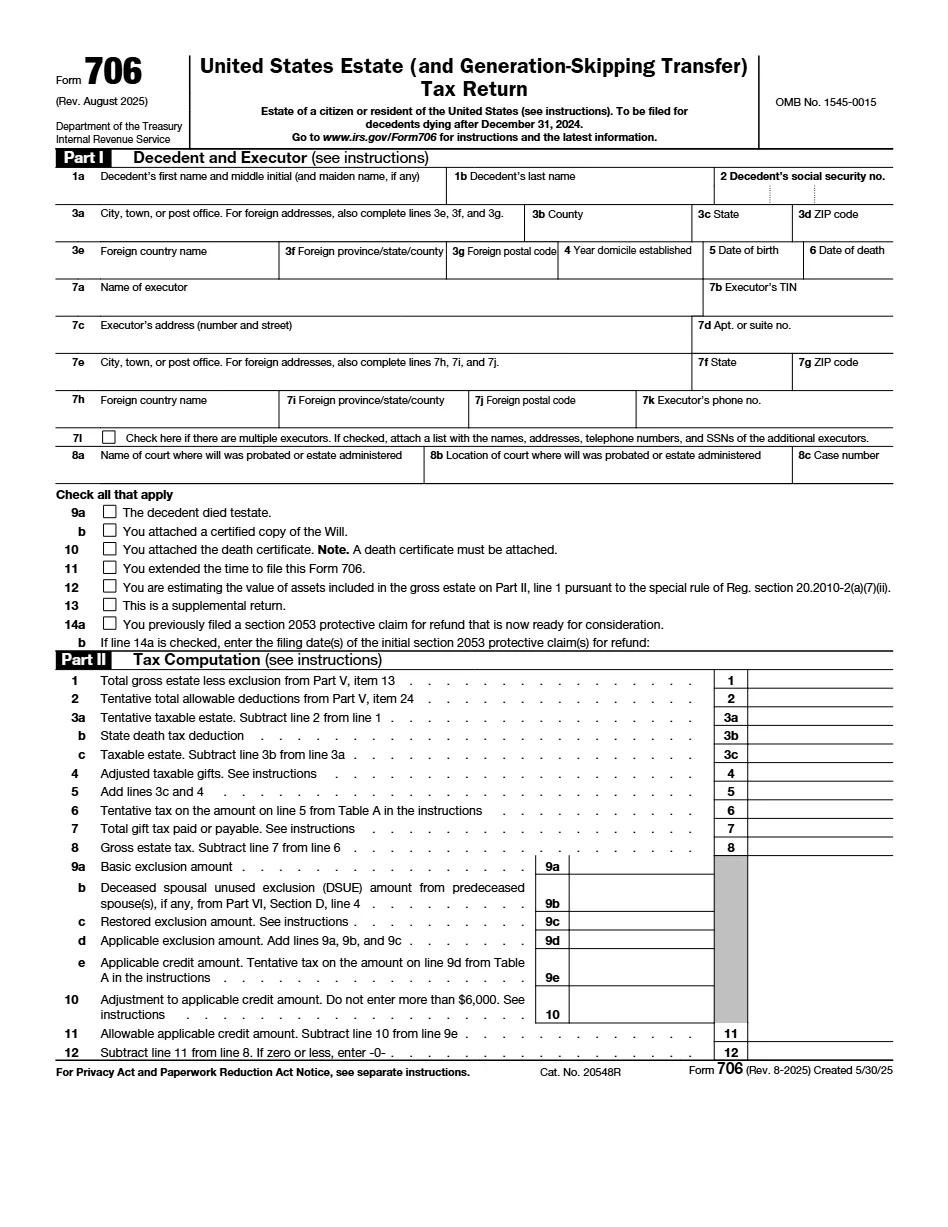
Formal appraisals are also essential for legal and financial matters. During an estate settlement, an appraisal establishes a fair market value for equitable distribution among heirs and for tax filings. Similarly, in divorce proceedings, a formal appraisal provides an objective value that both parties and the court can rely on.

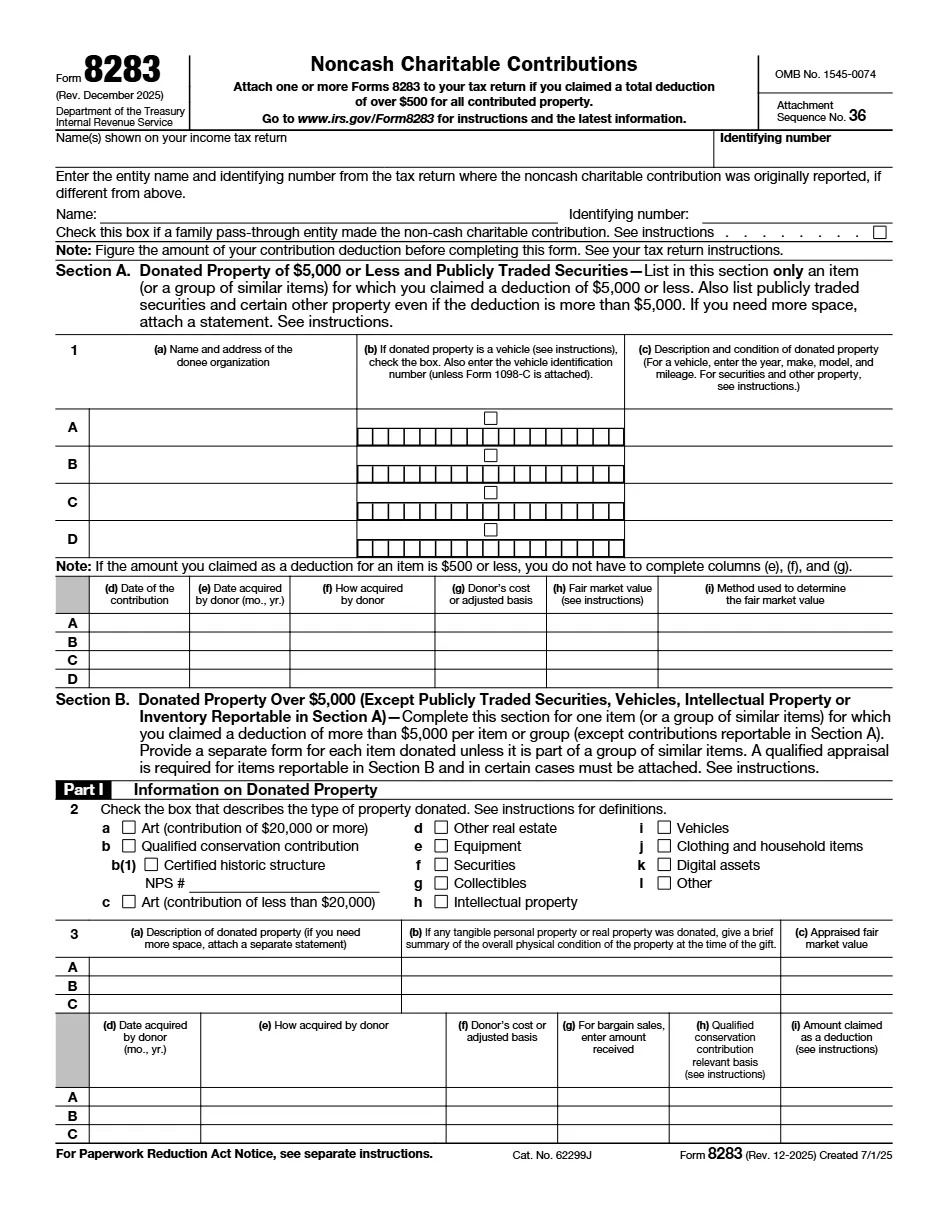
If you plan to donate a guitar to a charity, IRS rules are strict. You must get a qualified appraisal for any non-cash donation valued over $5,000 to claim a tax deduction. Failing to do so can result in your deduction being disallowed. Finally, if you are selling a valuable instrument, an independent appraisal gives you a realistic benchmark and protects you from undervaluing what you own.

Important IRS Donation Rule: For non-cash charitable donations valued over $5,000, you are required to obtain a qualified appraisal and have the appraiser sign IRS Form 8283. Failure to do so can result in your deduction being disallowed.

What the Guitar Appraisal Process Looks Like

The professional appraisal process is a structured journey. It begins when you provide the appraiser with all known details about your instrument, including its make, model, serial number, and any documentation you have.

The appraiser then conducts a thorough inspection, either through detailed photographs or a hands-on examination. They research comparable sales data to support their conclusion. Afterwards, you receive a formal, documented report that includes the methodology used, the effective date, and the concluded value. This report will state either the

Fair Market Value for legal or tax purposes, or the Replacement Cost Value for insurance.

Why Work with a Credentialed Appraiser?

The guitar market is highly specialized. You should work with an appraiser who holds credentials from a recognized organization like the International Society of Appraisers (ISA) or the American Society of Appraisers (ASA).

These credentials ensure the appraiser produces USPAP-compliant reports. USPAP is the national standard for appraisal methodology and is required for IRS, court, and insurance purposes. A verbal opinion from a dealer, however knowledgeable, does not carry the same legal weight.

What is USPAP? The Uniform Standards of Professional Appraisal Practice (USPAP) is the nationally recognized ethical and performance standard for the appraisal profession. USPAP-compliant reports are required for all official IRS, legal, and insurance purposes.

Ready to Find Out What Your Guitar Is Worth?

Whether you have inherited an instrument, are considering a donation, or need insurance, a professional appraisal provides a documented answer, not a guess. For more helpful articles, you can visit our blog.

At AppraiseItNow, our credentialed appraisers specialize in musical instruments. Our online process is simple. Submit your photos and instrument details, and you will receive a USPAP-compliant report, typically within one to two weeks. Request an appraisal and get a clear, confident answer about what your guitar is really worth.

Frequently Asked Questions

How much does a guitar appraisal cost?

Fees vary, but online appraisals are suitable for most guitars and are typically more affordable. At AppraiseItNow, appraisals for a single item start at $195.

Can my appraisal be done online?
Yes. For most guitars, an online appraisal using detailed photographs is sufficient and meets all IRS and insurance standards.

What’s the difference between an appraisal and a dealer quote?
A dealer quote is what a dealer might pay you. An independent appraisal is an objective determination of value from an expert with no financial stake in the transaction.

Can I use an appraisal to donate my guitar and claim a tax deduction?
Absolutely, but you must follow IRS rules. For donations over $5,000, you need a written qualified appraisal before you file your tax return, and the appraiser must sign your IRS Form 8283.

Related Articles

APPRAISEITNOW APPRAISERS ARE BEST-IN-CLASS & CREDENTIALED BY LEADING APPRAISAL ORGANIZATIONS LIKE THE ISA, ASA, & MORE.