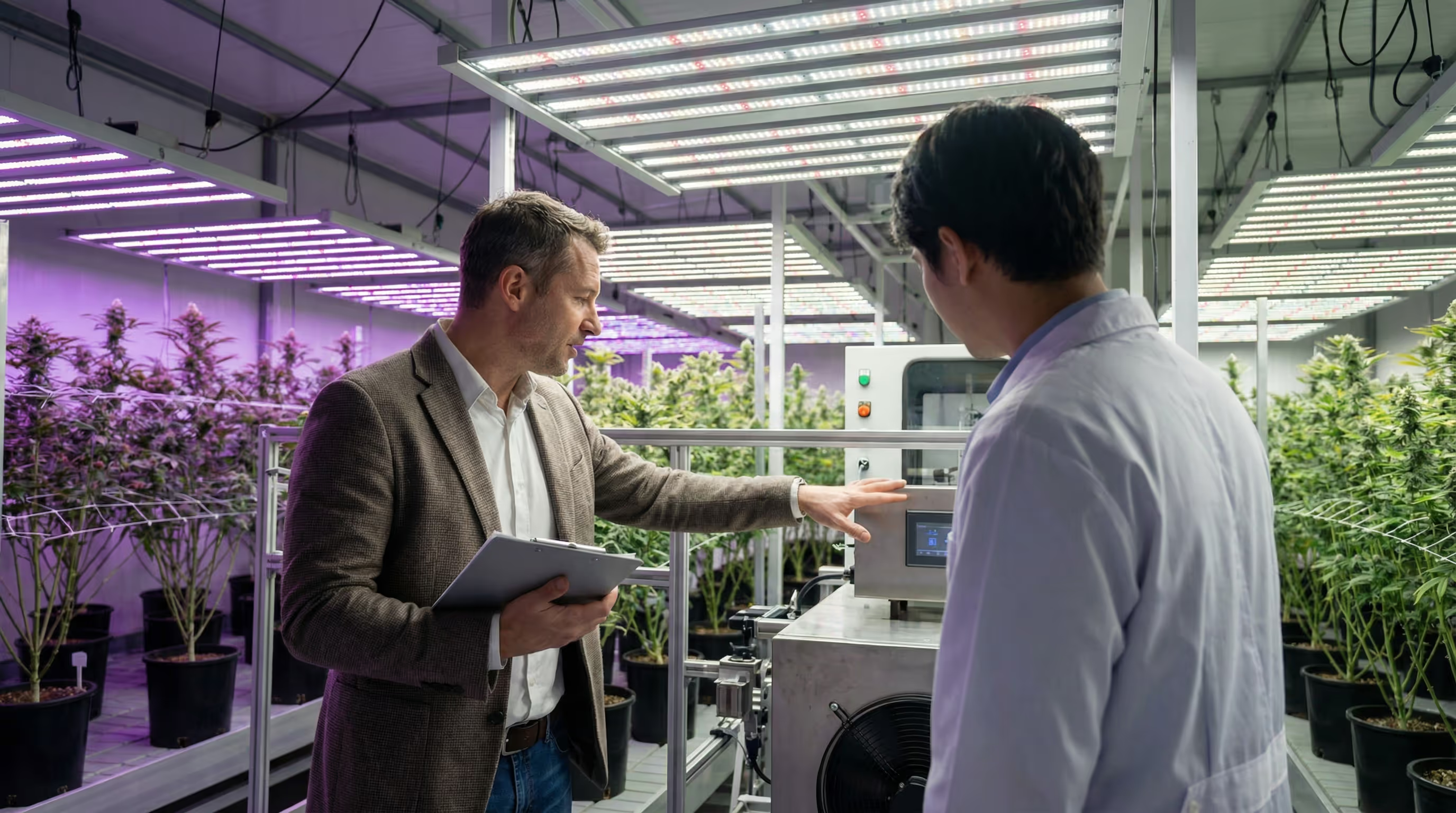
The cannabis industry has grown into a multi-billion dollar market, making accurate equipment valuations more critical than ever. Whether you're securing financing, planning an exit strategy, or managing insurance coverage, understanding how cannabis equipment appraisals work can save you thousands of dollars and protect your business interests.
A cannabis equipment appraisal is a professional assessment that determines the fair market value of specialized cultivation, processing, and packaging equipment used in cannabis operations. Unlike standard machinery appraisals, these evaluations require deep industry knowledge and understanding of rapidly evolving technology standards.
Cannabis equipment can depreciate 15-25% annually due to technological advances, making regular appraisals essential for accurate business valuations.
This guide walks you through everything you need to know about cannabis equipment appraisals, from understanding what equipment qualifies to choosing the right appraiser for your needs.
Cannabis equipment appraisals cover the specialized machinery and systems that power modern cannabis operations. The scope extends far beyond basic growing supplies to include sophisticated technology that can represent significant capital investments.
Cultivation equipment forms the backbone of most appraisals. This includes LED grow lights, HVAC systems, automated irrigation networks, and environmental control systems. Processing equipment like extraction machines, distillation units, and testing equipment also carry substantial value. Don't overlook packaging and labeling machinery, which has become increasingly sophisticated as compliance requirements have grown.

The key distinction is specialization. While a standard commercial refrigerator might serve multiple industries, a cannabis-specific drying and curing system designed for optimal terpene preservation represents specialized equipment that requires industry-specific valuation expertise.
Storage and security systems also qualify when they're designed specifically for cannabis operations. This includes specialized vaults, tracking systems, and compliance monitoring equipment that wouldn't be found in traditional agricultural or manufacturing settings.
Professional appraisers use three primary approaches to value cannabis equipment, often combining methods for the most accurate assessment. The cost approach examines replacement value, considering current market prices for similar new equipment minus depreciation based on age, condition, and technological obsolescence.
The market approach compares your equipment to recent sales of similar items. This proves challenging in cannabis because equipment sales data isn't always publicly available, making appraiser experience and industry connections crucial for accessing reliable comparable sales information.
The income approach evaluates equipment based on its contribution to business revenue. For example, a high-efficiency extraction system that produces premium concentrates commands higher values than basic processing equipment because of its income-generating potential.
Equipment condition significantly impacts value - well-maintained systems can retain 60-70% of their original value after three years, while neglected equipment may only retain 30-40%.
Technology obsolescence plays a major role in cannabis equipment valuation. LED lighting systems that were state-of-the-art five years ago might now be considered outdated compared to newer, more efficient models. Appraisers must stay current with industry innovations to accurately assess technological depreciation.
Proper documentation streamlines the appraisal process and ensures accurate valuations. Start gathering purchase invoices, installation records, and warranty information for all equipment. These documents establish original cost and help appraisers understand the equipment's specifications and expected lifespan.
Maintenance records prove crucial for condition assessment. Regular service logs, repair invoices, and upgrade documentation demonstrate how well equipment has been maintained. Well-documented maintenance history can significantly increase equipment values by proving operational reliability.

Operating manuals and technical specifications help appraisers understand equipment capabilities and compare them to current market alternatives. If you've made modifications or upgrades, document these changes with before-and-after photos and technical specifications.
Don't forget compliance documentation. Cannabis equipment often requires specific certifications or approvals. Having these documents readily available speeds the appraisal process and ensures the appraiser can properly assess regulatory compliance value. For more details on what to prepare, review what documents you need for a cannabis equipment appraisal.
Not all equipment appraisers understand cannabis industry nuances. Look for professionals with specific cannabis industry experience who understand the unique challenges of valuing specialized cultivation and processing equipment.
Verify credentials through recognized appraisal organizations. Qualified appraisers should hold certifications from organizations like the American Society of Appraisers or similar professional bodies. They should also maintain current knowledge of cannabis regulations and market conditions.
Ask about their methodology and recent cannabis appraisal experience. A qualified appraiser should explain their valuation approach clearly and provide examples of similar projects they've completed. They should understand both the technical aspects of cannabis equipment and the business factors that influence value.
Consider the appraiser's network and market knowledge. Cannabis equipment markets can be regional, and appraisers with strong industry connections often have access to better comparable sales data and current market intelligence. Learn more about what cultivators need to know about cannabis equipment appraisals when selecting the right professional.
The cannabis industry's rapid evolution makes equipment appraisals both challenging and essential. Whether you're seeking financing, planning business transitions, or managing insurance coverage, working with qualified professionals who understand cannabis-specific valuation factors ensures you get accurate assessments that protect your business interests. Understanding the basics of cannabis equipment appraisal and the different types of cannabis equipment appraisals available helps you make informed decisions. Remember that equipment values can change quickly in this dynamic industry, so regular appraisals help you stay informed about your asset values and make better business decisions.
A cannabis equipment appraisal is a professional, USPAP-compliant valuation of specialized machinery and technology used in cannabis cultivation, processing, extraction, and packaging operations. An accredited appraiser analyzes factors like age, condition, capacity, market demand, and replacement cost to determine defensible fair market value for insurance, financing, taxes, mergers and acquisitions, and legal purposes.
Cannabis equipment appraisal costs vary based on several factors including the number of assets, complexity of equipment, need for on-site inspection versus desktop evaluation, geographic location, and urgency of timeline. A clear, organized asset list with serial numbers and documentation can help control costs by streamlining the appraisal process and reducing the time required for data collection and verification.
While there's no fixed legal expiration date, cannabis equipment appraisals can become outdated due to rapid technology changes, market volatility, and regulatory shifts in the cannabis industry. Most professionals recommend updating appraisals every 2-3 years or after significant changes such as major equipment purchases, facility expansions, or substantial changes in market conditions or regulations.
Fair market value represents the price equipment would sell for between willing buyers and sellers in normal market conditions with adequate marketing time. Liquidation value reflects the amount equipment would bring in a forced sale scenario, such as bankruptcy or foreclosure, typically resulting in lower values. Orderly liquidation assumes reasonable marketing time but motivated sellers, while forced liquidation represents immediate sale conditions with minimal marketing.