Antique Jewelry Appraisal Cost Guide 2025 - What You'll Pay

Last Updated on Oct 28, 2025
Originally Published on Oct 28, 2025
Thank you! Your submission has been received!
Oops! Something went wrong while submitting the form.
Nationwide Service
Onsite or Online
USPAP-Compliant
IRS Qualified
DEFENSIBLE, USPAP-COMPLIANT APPRAISAL REPORTS — ACCEPTED BY 10,000+ ORGANIZATIONS
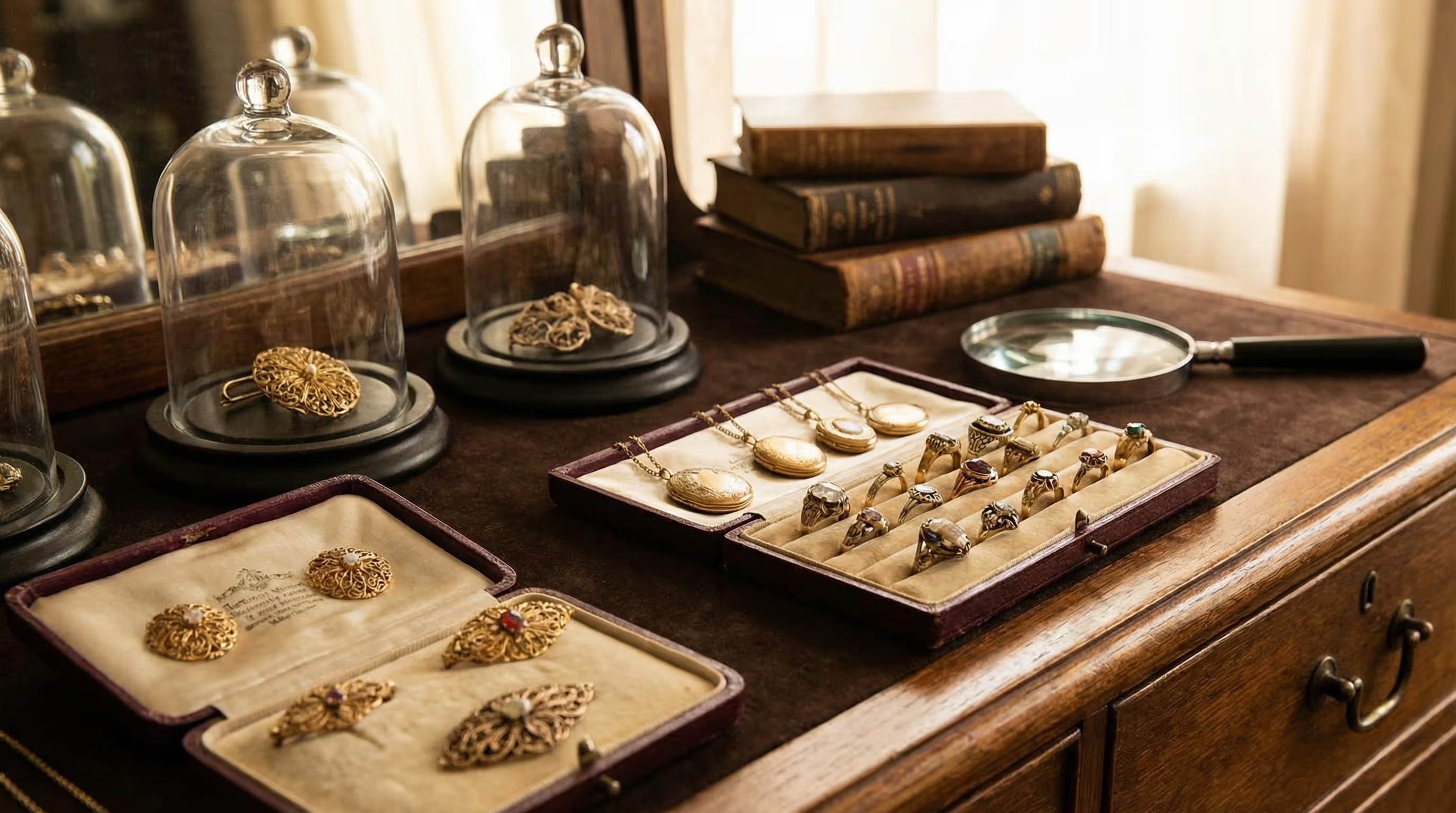
Antique jewelry collection with vintage rings, necklaces and brooches on elegant display

Wondering how much it costs to get your grandmother's vintage ring or antique brooch appraised? You're looking at anywhere from $100 to $500 for most pieces, with hourly rates ranging from $50 to $200 depending on the complexity and your location.

Getting an antique jewelry appraisal isn't just about satisfying curiosity. Whether you need insurance coverage, estate planning documentation, or want to sell at fair market value, understanding appraisal costs helps you make informed decisions about protecting your valuable pieces.

Quick Answer: Most antique jewelry appraisals cost between $100-$300 per piece for standard evaluations, with complex or highly valuable items potentially reaching $500 or more.

Understanding antique jewelry appraisal pricing

The cost structure for antique jewelry appraisals varies significantly based on how appraisers charge for their services. Most professionals use either hourly rates or flat fees, each with distinct advantages.

Hourly rates typically range from $50 to $200, with certified gemologists and highly experienced appraisers commanding premium prices. A simple vintage ring might take one to two hours, while an intricate Victorian necklace with multiple gemstones could require four to six hours of detailed examination and research.

Flat fee pricing offers more predictability, usually ranging from $100 to $500 per piece. This approach works well for standard jewelry items but may not cover exceptionally complex pieces requiring extensive historical research or specialized testing.

Professional appraiser examining antique jewelry with magnifying glass and tools

Geographic location plays a major role in pricing. Metropolitan areas like New York or Los Angeles typically see higher rates due to increased overhead costs, while smaller cities often offer more affordable options without compromising quality.

Key factors that influence appraisal costs

Several elements determine how much you'll pay for your antique jewelry appraisal, and understanding these helps you budget appropriately.

The complexity of your piece significantly impacts cost. A simple gold band requires basic metal testing and measurement, while a multi-stone Art Deco bracelet needs gemstone identification, quality grading, and historical research to determine its period and maker.

Purpose matters tremendously in pricing. Insurance appraisals require detailed documentation and higher replacement values, often costing more than basic fair market value assessments. Estate appraisals fall somewhere in between, focusing on current market conditions for similar pieces.

Appraisal TypeAverage CostDetail LevelTypical UseInsurance$150-$400HighCoverage protectionEstate/Probate$100-$300MediumLegal proceedingsFair Market$75-$250BasicPersonal knowledge

The appraiser's credentials also affect pricing. Certified gemologists or those with American Society of Appraisers credentials typically charge premium rates but provide more comprehensive evaluations that courts and insurance companies readily accept.

Pro Tip: Always verify your appraiser holds current USPAP (Uniform Standards of Professional Appraisal Practice) certification, especially for insurance or legal purposes.

What determines your jewelry's appraisal value

Beyond the cost of the appraisal itself, understanding what factors influence your jewelry's actual value helps you appreciate why thorough evaluation takes time and expertise.

Age and historical significance play crucial roles in antique jewelry valuation. Pieces from specific periods like Georgian, Victorian, or Art Nouveau command different market premiums based on current collector demand and rarity.

Materials and craftsmanship form the foundation of value assessment. Your appraiser examines metal purity, gemstone quality using the 4Cs (cut, color, clarity, carat), and construction techniques that indicate period authenticity or modern reproduction.

Provenance and maker's marks can dramatically impact value. A signed piece by renowned designers like Tiffany, Cartier, or lesser-known but historically significant makers requires additional research time, potentially increasing appraisal costs but often revealing substantial hidden value.

Current market conditions influence both appraisal costs and final valuations. Trends in antique jewelry collecting, precious metal prices, and gemstone market fluctuations all factor into your piece's assessed worth.

Close-up of antique jewelry showing hallmarks and maker marks under magnification

When you should invest in professional appraisal

Knowing when to get your antique jewelry appraised helps you make cost-effective decisions about protecting your valuable pieces.

Insurance purposes represent the most common reason for appraisals. Most insurance companies require updated appraisals every three to five years to maintain adequate coverage. The appraisal cost becomes insignificant compared to potential losses from underinsurance.

Estate planning situations often necessitate professional appraisals for accurate asset distribution or tax purposes. Courts and attorneys typically require certified appraisals from qualified professionals, making the investment essential for legal proceedings and estate planning.

Important Note: Free appraisals from jewelry stores often serve sales purposes rather than providing accurate market valuations for insurance or legal needs.

Selling decisions benefit from professional appraisals when you're dealing with potentially valuable pieces. While the appraisal cost might seem high upfront, knowing your jewelry's true worth prevents underselling valuable antiques.

Consider getting appraisals when you inherit jewelry collections, discover pieces in estate sales, or notice significant changes in precious metal or gemstone markets that might affect your existing pieces' values. Choosing the right appraiser is crucial for ensuring you receive accurate valuations.

Before scheduling your appointment, take time to properly prepare for your appraisal by gathering any documentation, receipts, or historical information about your pieces. Understanding what to expect during the appraisal process can also help you feel more confident and ensure you get the most value from the service.

Getting your antique jewelry professionally appraised protects both your financial interests and preserves important family history. While costs vary based on complexity and purpose, the investment typically pays for itself through proper insurance coverage or informed selling decisions. Choose certified appraisers who follow industry standards, and remember that quality evaluation takes time and expertise that justify professional fees.

FAQ

How much does an antique jewelry appraisal cost?

Antique jewelry appraisals typically cost between $100-$500 per piece, with hourly rates ranging from $50-$200. Simple vintage pieces may take 1-2 hours, while complex antique items with multiple gemstones or intricate designs can require 4-6 hours of detailed examination and historical research, potentially reaching the higher end of the cost range.

What factors affect the cost of an antique jewelry appraisal?

Several factors influence appraisal costs including the complexity of the piece (number of gemstones, intricate designs), the purpose of the appraisal (insurance requires more detailed documentation), the appraiser's credentials and experience, geographic location, and whether historical research is needed to determine the piece's period and authenticity.

When should I get my antique jewelry appraised?

You should get antique jewelry appraised for insurance purposes (updated every 3-5 years), estate planning and legal proceedings, before selling valuable pieces, when inheriting jewelry collections, or after discovering pieces at estate sales. Professional appraisals are essential when you need accurate documentation for insurance coverage or legal purposes.

What's the difference between hourly rates and flat fees for jewelry appraisals?

Hourly rates ($50-$200) are charged based on time spent examining and researching your piece, making costs variable depending on complexity. Flat fees ($100-$500 per piece) offer predictable pricing for standard jewelry items but may not cover exceptionally complex pieces requiring extensive historical research or specialized testing.

Related Appraisals We Offer

Related Articles

BEST-IN-CLASS APPRAISERS, CREDENTIALED BY: