Antique Artwork Appraisal Guide 2025: 7 Essential Steps to Determine True Value

Last Updated on Dec 06, 2025
Originally Published on Dec 06, 2025
Thank you! Your submission has been received!
Oops! Something went wrong while submitting the form.
Nationwide Service
Onsite or Online
USPAP-Compliant
IRS Qualified
DEFENSIBLE, USPAP-COMPLIANT APPRAISAL REPORTS — ACCEPTED BY 10,000+ ORGANIZATIONS
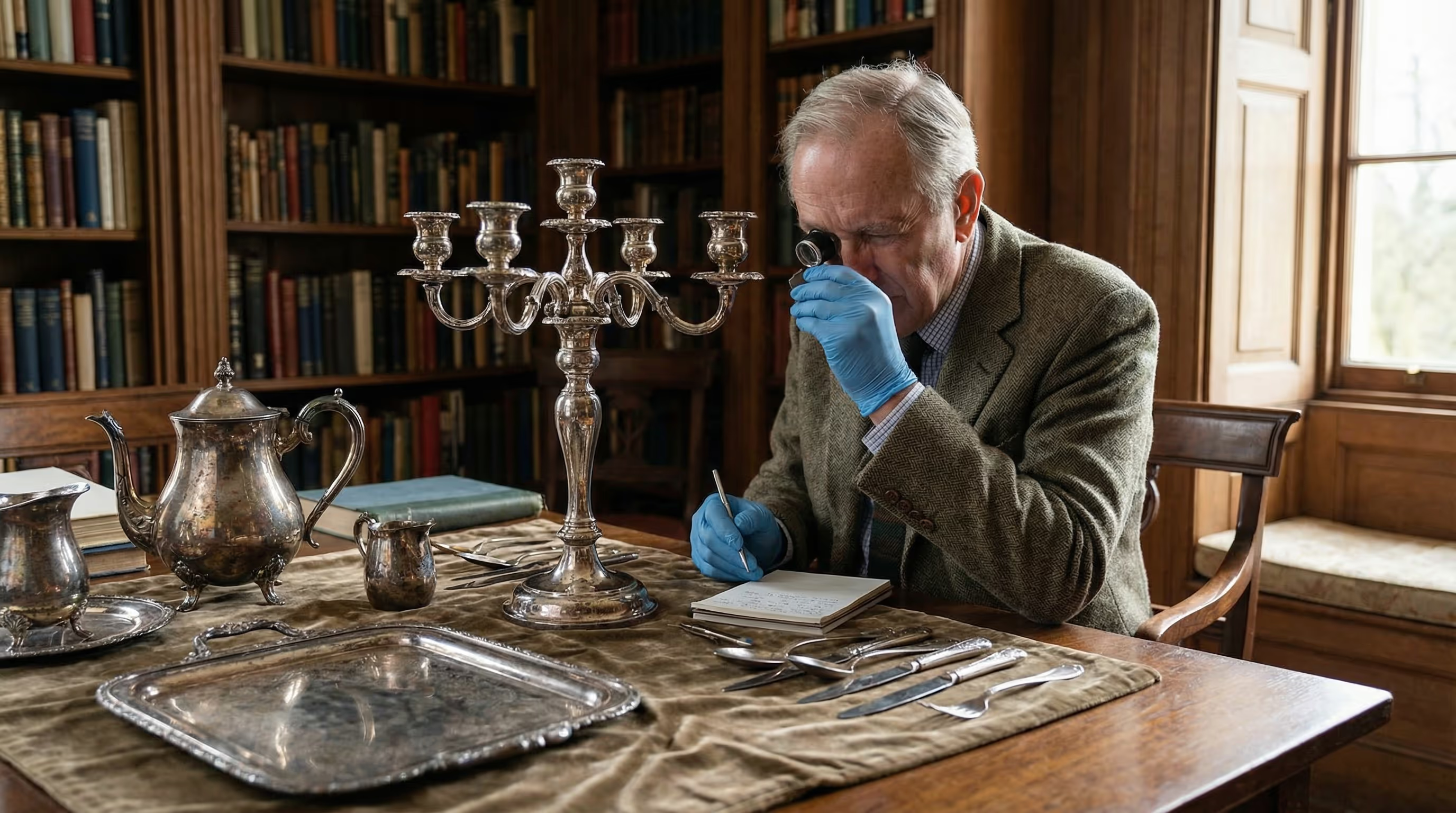
Professional appraiser examining antique painting with magnifying glass

Discovering your grandmother's oil painting could be worth thousands or finding that mysterious sculpture in your attic might be a hidden treasure happens more often than you think. The antique art market has seen significant fluctuations, with some pieces appreciating by 300% over the past decade while others have lost value due to changing tastes and market conditions.

An antique artwork appraisal is a professional evaluation that determines the monetary value of art pieces typically over 100 years old. This assessment considers factors like authenticity, condition, provenance, and current market demand to establish fair market value for insurance, estate planning, or sale purposes.

Quick Fact: Professional appraisals can reveal values ranging from hundreds to millions of dollars, with accuracy rates of 85-95% when conducted by certified appraisers using proper methodologies.

Whether you're settling an estate, updating insurance coverage, or simply curious about a family heirloom, understanding the appraisal process helps you make informed decisions about your valuable artwork.

The step-by-step antique artwork appraisal process

The appraisal process follows a systematic approach that ensures accuracy and thoroughness. Your appraiser will begin with a detailed visual inspection, examining every aspect of the artwork from brushstrokes to frame condition. They'll photograph the piece from multiple angles, document any signatures or markings, and assess the overall condition including any damage or restoration work.

Next comes the research phase, where the appraiser investigates the artwork's history, or provenance. This involves checking auction records, museum catalogs, and artist databases to trace the piece's ownership and exhibition history. The appraiser will also research the artist's biography, career highlights, and market performance to understand how similar works have sold recently.

Appraiser examining artwork signature under UV light with documentation

The final step involves market analysis and valuation. Your appraiser compares your artwork to similar pieces that have sold at auction or through dealers within the past few years. They consider factors like size, medium, subject matter, and condition to arrive at a fair market value that reflects what a willing buyer would pay a willing seller in today's market.

Key factors that determine your artwork's value

Several critical elements influence how much your antique artwork is worth. Authenticity stands as the most important factor, as a genuine piece by a known artist can be worth exponentially more than a copy or work "in the style of" that artist. Appraisers use various techniques, including UV light examination and paint analysis, to verify authenticity.

Condition plays a major role in valuation. A painting with original varnish and minimal wear commands higher prices than one requiring extensive restoration. Even small issues like frame damage, fading, or minor tears can significantly impact value. Provenance, or the artwork's ownership history, adds credibility and can increase value, especially if the piece was owned by notable collectors or exhibited in prestigious venues.

FactorImpact on ValueExamplesAuthenticityHigh (50-90% difference)Original vs. attributed workConditionModerate-High (20-60%)Pristine vs. needs restorationProvenanceModerate (10-40%)Museum quality vs. unknown historyRarityVariable (5-200%)Artist's only known work vs. common subject

Market demand and rarity also influence pricing. An artist who's currently popular with collectors will see higher values than one whose work has fallen out of favor. Similarly, rare subjects or techniques by an artist typically command premium prices compared to their more common works.

Market Insight: The antique art market has shifted toward online sales, with 40% of transactions now happening digitally, affecting how appraisers research comparable sales and market trends.

How to prepare your antique artwork for appraisal

Proper preparation can streamline the appraisal process and potentially improve your artwork's assessed value. Start by gathering any documentation you have about the piece, including purchase receipts, previous appraisals, insurance records, or family stories about its acquisition. Even seemingly minor details about where and when the artwork was purchased can provide valuable clues about its history.

Take high-quality photographs of your artwork before the appraiser arrives. Capture the entire piece, close-ups of signatures or markings, the back of the canvas or frame, and any areas of damage or restoration. These photos serve as documentation and can help the appraiser prepare for their visit.

Clean the area around your artwork but avoid cleaning the piece itself. Improper cleaning can damage antique artworks and reduce their value. Instead, ensure the appraiser has good lighting and easy access to examine both the front and back of the piece. If the artwork is large or difficult to move, discuss logistics with your appraiser beforehand. For more detailed guidance, review what to know before appraising antique artwork.

Types of values and when you need each one

Different situations require different types of appraisal values, and understanding these distinctions helps you choose the right approach. Fair market value represents what your artwork would sell for between willing parties in the open market. This is the most common type used for estate planning, charitable donations, and divorce proceedings.

Replacement value, typically 20-50% higher than fair market value, represents what you'd pay to replace the artwork with a similar piece of equal quality. Insurance companies often require this type of appraisal to determine coverage limits and premiums. Liquidation value, usually lower than fair market value, estimates what the artwork might bring in a forced sale situation like an estate auction.

Comparison chart showing different appraisal values with example artwork

The purpose of your appraisal determines which value type you need. For insurance purposes, request replacement value to ensure adequate coverage. For tax deductions on charitable donations, the IRS requires fair market value appraisals. Estate planning typically uses fair market value to determine asset distribution and tax obligations. Understanding what appraisers look for when appraising antique artwork can help you better prepare for the specific type of valuation you need.

Planning Tip: Update your appraisals every 3-5 years for insurance purposes, as market values can fluctuate significantly, especially for works by emerging or rediscovered artists.

Understanding the antique artwork appraisal process empowers you to make informed decisions about your valuable pieces. Whether you're protecting family heirlooms with proper insurance coverage or exploring the potential value of inherited artwork, professional appraisals provide the documentation and peace of mind you need. The investment in a quality appraisal often pays for itself through proper insurance coverage, tax benefits, or informed selling decisions.

Remember that choosing the right appraiser for your antiques is crucial for accurate results. Look for credentials from recognized organizations like the American Society of Appraisers or the International Society of Appraisers, and ensure they have specific experience with your type of artwork. With the right preparation and professional guidance, you'll have confidence in your artwork's true value and the documentation to support important financial decisions. Learn more about what to expect during an antique artwork appraisal to ensure a smooth and successful evaluation process.

FAQ

How much does an antique artwork appraisal cost?

Antique artwork appraisal costs typically range from $300 to $1,500 depending on the complexity of the piece, the appraiser's expertise, and your location. Most certified appraisers charge either flat fees for standard evaluations or hourly rates ($150-$400 per hour) for complex pieces requiring extensive research. Online appraisal services may offer more affordable options starting around $200-$500.

How often should I have my antique artwork appraised?

You should update your antique artwork appraisals every 3-5 years for insurance purposes, as market values can fluctuate significantly. Additionally, reappraise after any damage, restoration work, major market shifts, or life events like inheritance. The antique art market has seen some pieces appreciate by 300% over the past decade while others have lost value due to changing tastes and market conditions.

What's the difference between fair market value and replacement value?

Fair market value represents what your artwork would sell for between willing parties in the open market and is used for estate planning, charitable donations, and divorce proceedings. Replacement value, typically 20-50% higher than fair market value, represents what you'd pay to replace the artwork with a similar piece of equal quality and is commonly required by insurance companies to determine coverage limits.

How do I find a qualified antique artwork appraiser?

Look for appraisers with credentials from recognized organizations like the American Society of Appraisers (ASA) or the International Society of Appraisers (ISA). Ensure they have specific experience with antique artwork and follow USPAP (Uniform Standards of Professional Appraisal Practice) guidelines. You can search certified appraiser directories on these organizations' websites or use online appraisal services that connect you with qualified professionals nationwide.

Related Appraisals We Offer

Related Articles

BEST-IN-CLASS APPRAISERS, CREDENTIALED BY: