What three data sources do antiques appraisers triangulate?
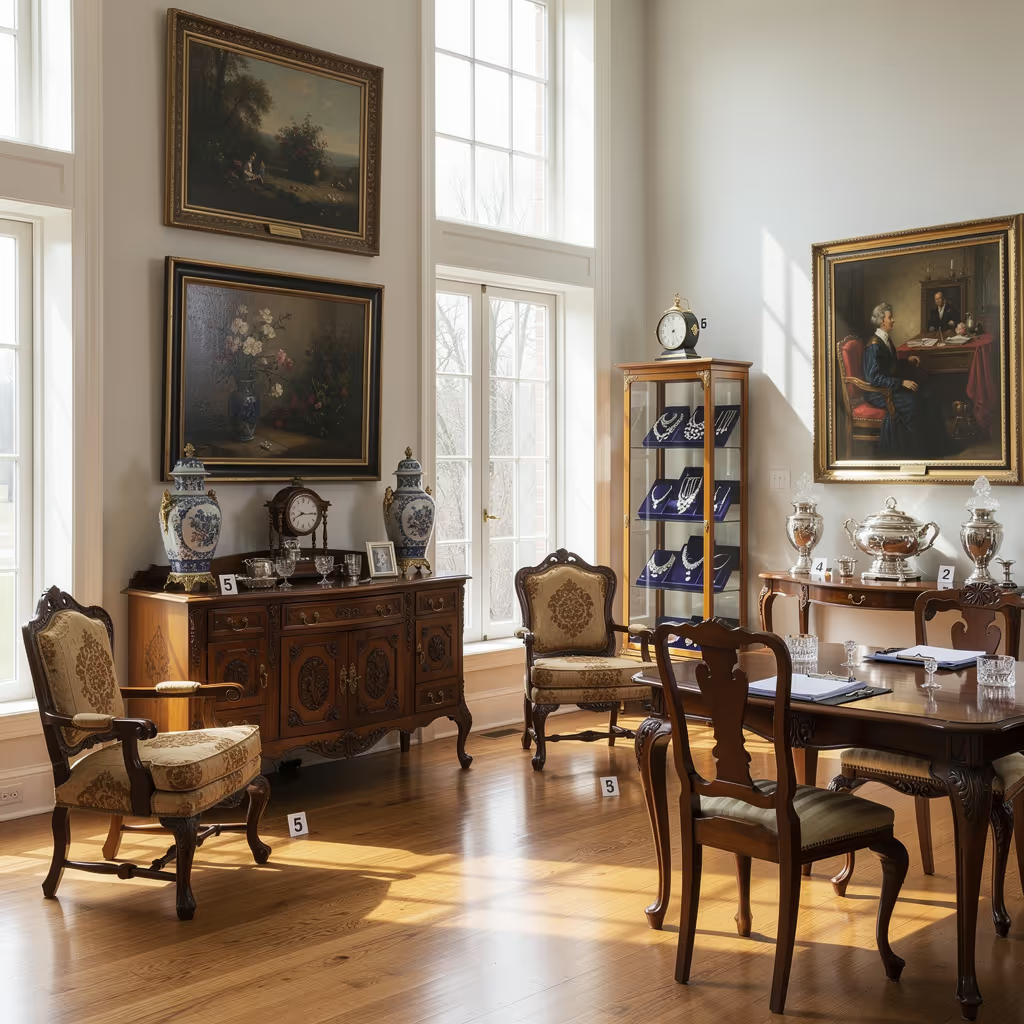
Completed auction results, active dealer and gallery offerings, and category-specific price guides used as historical baselines. Completed sales carry the most weight because they show what buyers actually paid, and that is the standard we hold Iowa antiques appraisals to.
Which factors consistently drive antique values up or down?
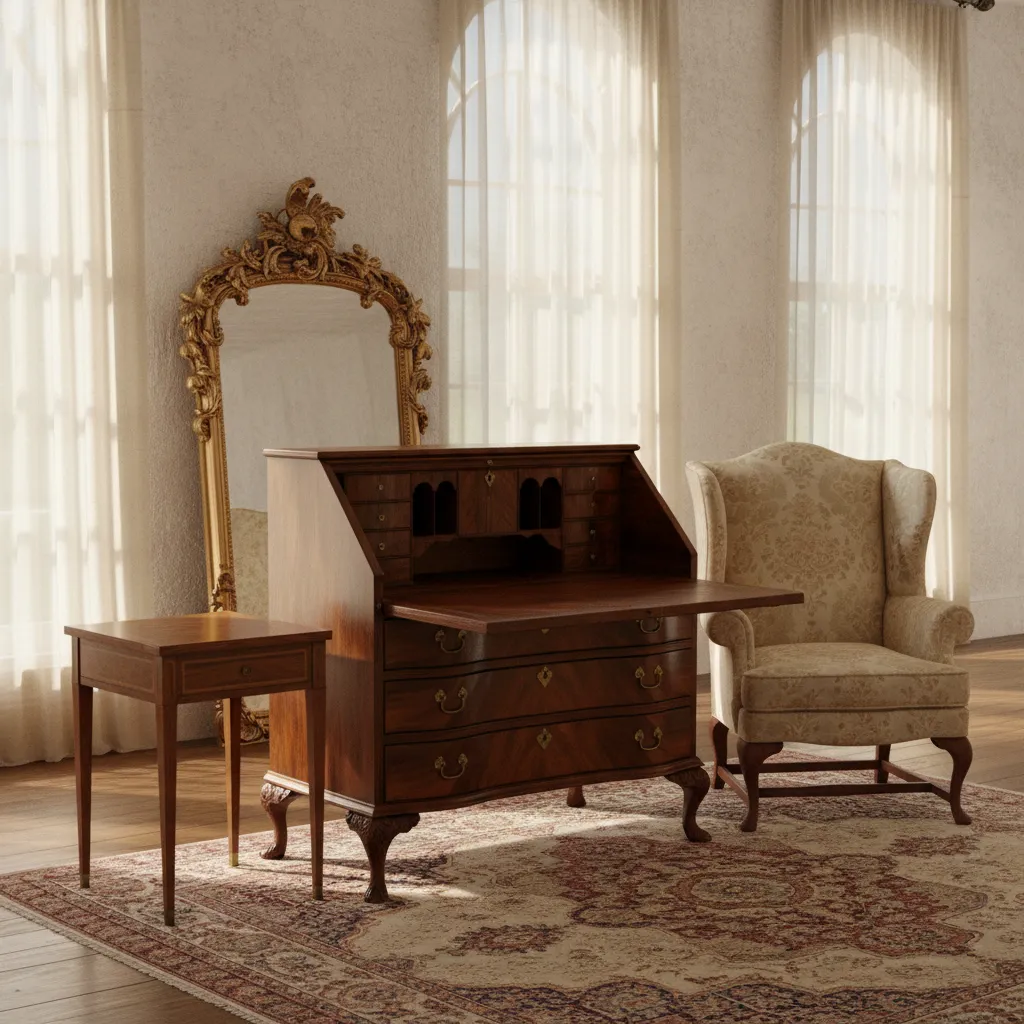
Authenticity, condition, rarity, provenance, and current collector demand, and a credible report addresses each explicitly. Exact dimensions, materials, maker's marks, production period, and any restorations are documented because those attributes determine which comparable sales legitimately apply.
Is the income approach ever used for antiques?
Rarely. It applies mainly to income-producing collections such as leased decorative art or prop inventories, where anticipated cash flows can be capitalized. For nearly all Iowa antiques, market-based comparison to completed sales remains the primary method, with cost and income treated as secondary tests.
Does Iowa still collect inheritance tax on antiques left to heirs?
No. Iowa's inheritance tax was phased out and does not apply to decedents dying on or after January 1, 2025, so no state death tax reaches an antique collection passing to heirs. Values still matter for the probate record, for federal estate filings when the estate is large enough, and for dividing specific items fairly among beneficiaries.











.jpeg)